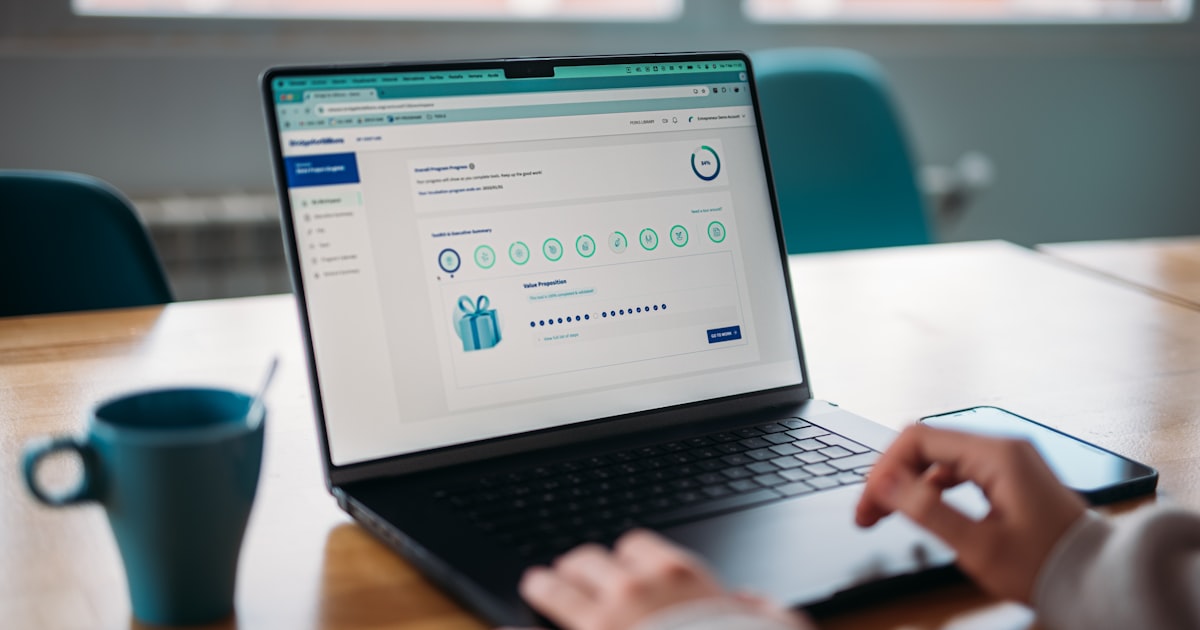
Working from home is now a permanent feature of UK working life rather than a pandemic-era exception. According to ONS data from 2025, more than a quarter of working adults in the UK had worked from home in some capacity in the previous seven days, with women more likely than men to report hybrid or fully remote arrangements. For women running businesses from home, the challenge is no longer how to cope with the kitchen table office, but how to stay productive, compliant, and secure while doing it.
Whether you are a sole trader, a limited company director, or a remote employee building a side business, these four practical hacks will help you protect your time, your data, and your wellbeing.
1. Structure Your Day Around Your Energy
The most important productivity move you can make is to create a schedule and stick to it. Start by listing everything that must happen in a working day: client calls, deep-focus tasks, admin, meals, school runs, and any caring responsibilities. Then match the hardest work to the time of day when your energy is highest.
If you are not naturally an early riser, do not force yourself into a 5am routine because a productivity influencer says so. Track your focus for a week, then block your calendar accordingly. Share the schedule with anyone else in the household so they know when you are available and when you are not. A visible planner, a shared digital calendar, or a simple whiteboard all work.
Build in proper breaks. Under the Working Time Regulations 1998, workers are entitled to a 20-minute rest break for every six hours worked, though most people need more frequent pauses to maintain focus. Step away from the screen, eat lunch in a different room, and set a hard finish time so work does not bleed into your evening.
2. Create Boundaries When Working From Home
Clutter and blurred boundaries are enemies of focus. Designate a specific area as your workspace, even if it is just one end of the dining table. When you finish work, close the laptop and leave the space. This separation helps your brain switch off and reduces the risk of burnout.
Your digital boundaries matter just as much. Turn off non-essential notifications during focus blocks and use separate browser profiles or devices for work and personal tasks if you can. Let clients and colleagues know your core hours and response times so they do not expect instant replies around the clock.
Under the Employment Relations (Flexible Working) Act 2023, employees now have a day-one right to request flexible working, including remote or hybrid arrangements. If you are employed and running a business from home, you can find more detail in our guide to flexible working rights in 2026.
3. Track Your Time and Claim What You Are Owed
Time tracking is not just for agencies charging by the hour. It shows you where your hours actually go, which is essential when you are juggling client work, business development, and admin. Free tools such as Toggl Track, Clockify, and Notion can help you log tasks, spot time drains, and invoice accurately.
If you are self-employed, accurate records also support your home working expenses claim through HMRC. HMRC allows employees required to work from home to claim a flat-rate tax relief of £6 per week, or £312 per year, without keeping receipts. Self-employed people can use simplified expenses or claim a proportion of actual household costs such as heating, lighting, and broadband.
4. Protect Your Data and Devices
Working from home means your business data travels through your home broadband, coffee-shop Wi-Fi, and personal devices. The UK government’s Cyber Security Breaches Survey 2025 found that 43% of UK businesses experienced a cyber breach or attack in the previous 12 months. Among small businesses, the average cost of the most disruptive breach was £3,480.
The National Cyber Security Centre (NCSC) recommends taking basic steps to protect yourself: use strong, unique passwords with a password manager; enable two-factor authentication on every business account; keep software updated; and use a VPN when working on public or shared networks. If you store client data, check whether your business needs cyber insurance. Our guide to cyber insurance for women-led SMEs explains what to look for.
Employers also have legal responsibilities under Health and Safety Executive (HSE) guidance for homeworkers, including display screen equipment assessments. If you employ staff who work from home, you must carry out a risk assessment and provide suitable equipment where needed.
Put These Hacks Into Practice This Week
- Block your calendar this week around your highest-energy hours and share it with your household.
- Clear one dedicated workspace and set digital boundaries such as notification-free focus blocks.
- Choose one time-tracking app and log every work task for five days to find your time drains.
- Run a security check: update passwords, enable two-factor authentication, and install software updates.
- Check whether you can claim tax relief or expenses for home working in 2026/27.
Working from home gives you flexibility, but only if you protect your boundaries and your data. For more context on how women are building businesses across the UK, see our Women in Business: Key UK Facts page.