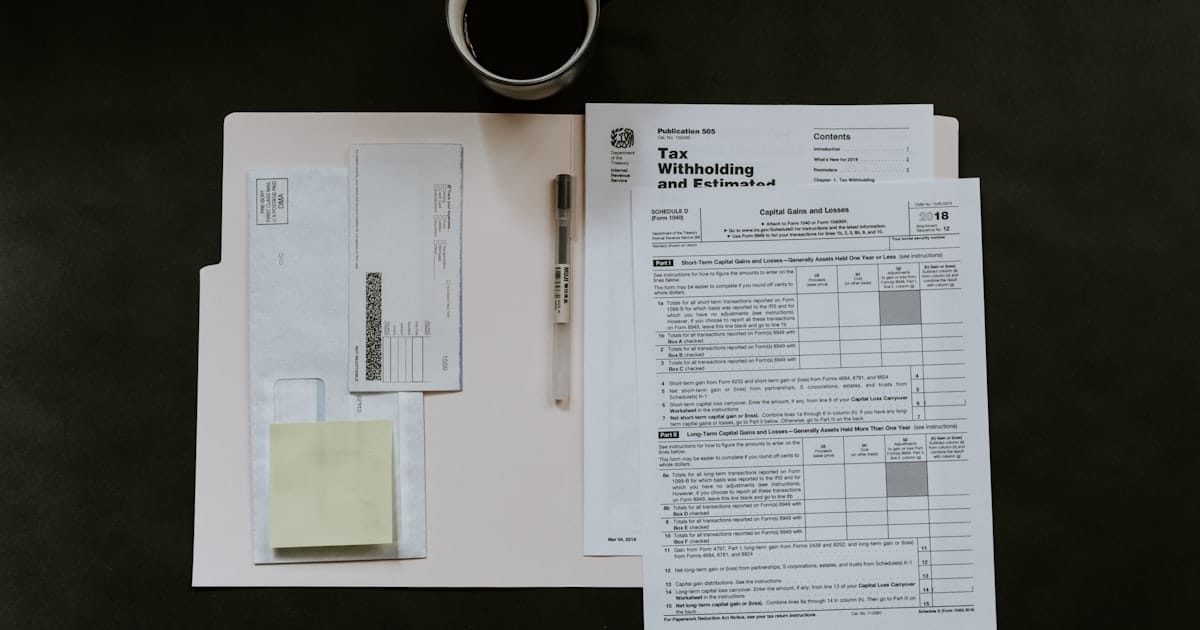
Organising physical documents is not just about a tidy desk. For women in business running a UK company, the right filing system keeps you compliant with HMRC, protects personal data under UK GDPR, and saves hours when you need to find a contract, receipt, or tax record. Whether you run a limited company from a co-working space or operate as a sole trader from a spare room, these five practical steps will help you build a document system that meets current UK rules.
Follow this five-step system for organising physical documents
1. Choose storage that protects records for the full retention period
Before you buy boxes or cabinets, check how long you must keep the documents you handle. HMRC requires self-employed people to keep business records for five years from 31 January following the end of the tax year they relate to (HMRC, 2026). For example, records for the 2025/26 tax year, which ends on 5 April 2026, must be kept until 31 January 2032.
If you run a limited company, the rules are stricter. Companies House and HMRC require you to keep accounting records for six years from the end of the financial year they relate to (Companies House, 2026). That includes invoices, receipts, contracts, and bank statements. You must also keep statutory registers, such as your register of directors and shareholders, available for inspection at your registered office or a single alternative inspection location (SAIL) address, unless you have elected to keep them on the central Companies House register.
Choose fire-resistant filing cabinets or archive boxes stored off the floor in a dry room. Label every box with the tax year or financial year it covers so you can destroy it confidently once the retention period ends.
2. Purge paperwork using legal deadlines, not guesswork
Holding on to every receipt and letter creates clutter and increases risk. Under UK GDPR, personal data must not be kept longer than is necessary for the purposes for which it was processed (ICO, 2026). That means client contact details, employee records, and supplier contracts containing personal information should be reviewed regularly and destroyed securely once the legal or business need expires.
Create a simple retention schedule. List each document type, the legal basis for keeping it, and the destruction date. For example:
| Document type | Minimum retention | Authority |
|---|---|---|
| Self-employed tax records | 5 years from 31 January after tax year end | HMRC |
| Limited company accounting records | 6 years from financial year end | HMRC / Companies House |
| PAYE records | 3 years from end of tax year | HMRC |
| VAT records | 6 years | HMRC |
| Statutory registers | For the life of the company | Companies House |
Use a cross-cut shredder for anything containing personal or financial information. Never put intact client or employee records in ordinary recycling.
3. Group records by tax year, project, or legal category
Storing related paperwork together cuts search time and reduces errors at tax return time. For a sole trader, the simplest system is one folder or box per tax year, with sub-dividers for income, allowable expenses, and capital purchases. For a limited company, group records by financial year and then by category: sales invoices, purchase invoices, payroll, bank statements, and statutory registers.
If you work on client projects, keep a separate file per project containing contracts, correspondence, and signed approvals. This makes it easier to defend a dispute and ensures you can find evidence quickly if HMRC opens an enquiry.
4. Colour-code your filing system
Colour-coding turns a filing system into a visual map. Assign one colour per category: blue for tax, green for contracts, red for personnel, yellow for insurance, and so on. Use the same colours on physical folders, box labels, and any digital folders that mirror the structure.
This approach is especially useful if you share an office or hand work to a bookkeeper or accountant. A consistent colour scheme means anyone can find a document without asking you where it lives.
5. Digitise strategically for Making Tax Digital
Making Tax Digital for Income Tax Self Assessment (MTD for ITSA) takes effect from April 2026 for sole traders and landlords with income over £50,000, and expands to those with income over £30,000 from April 2027 (HMRC, 2026). While the rules require digital record keeping and quarterly updates through compatible software, you can still keep physical supporting documents. The key is to scan the documents that matter and link them to the correct digital entry.
Scan receipts, invoices, and bank statements at 300 dpi or higher and save them as PDFs with clear file names, such as “2025-26-04-Invoice-ClientName-250.pdf”. Store backups in cloud software that meets UK data protection standards and keep the originals in your physical archive until the retention period ends. For a full checklist, see our Making Tax Digital Sole Trader: 2026 Checklist for Women.
Put your filing system into action
- Check your business structure and note the correct HMRC or Companies House retention period.
- Audit your current paperwork and shred anything past its legal retention date.
- Set up one storage box or folder per tax year or financial year.
- Introduce a simple colour code for the five main document categories.
- Scan key documents using a consistent naming convention and back them up securely.
Organising physical documents the right way keeps your business compliant, protects sensitive information, and frees up mental space for growth. For more guidance tailored to women founders running the back office of a UK business, read our Business Admin: A Complete Guide for UK Business Owners.