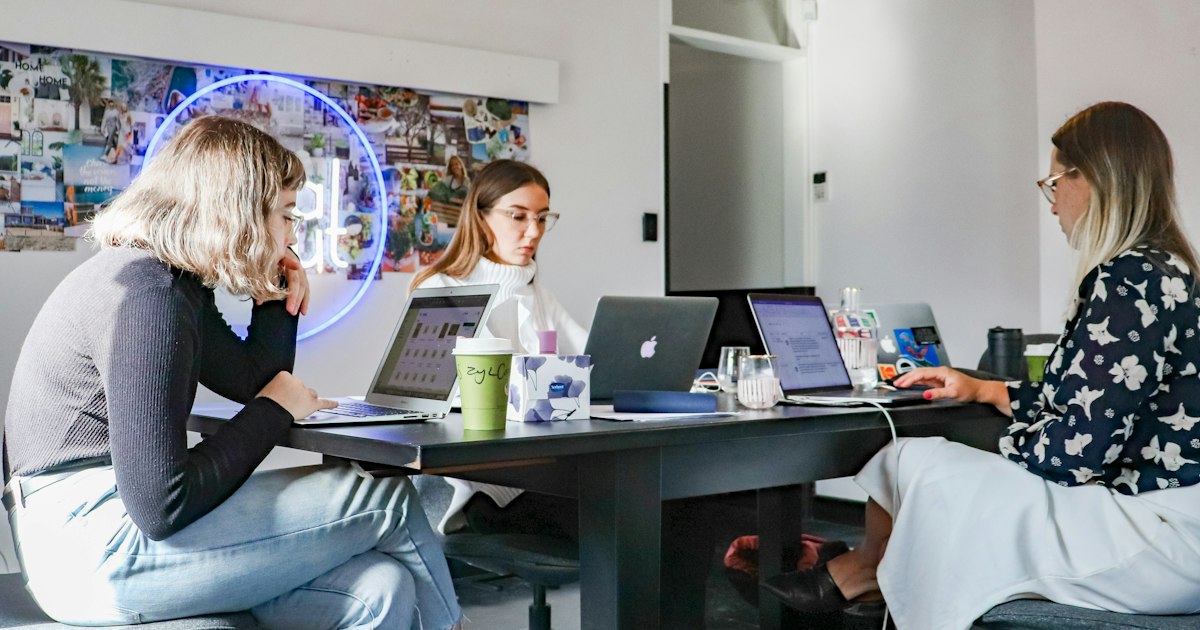
Working from home is now a standard way to earn a living in the UK, not a temporary arrangement. According to ONS data from 2024, around 14% of working adults worked exclusively from home, while roughly one in four worked in a hybrid pattern. The same data shows that around 1.7 million women in the UK are self-employed, many of them running businesses from their own homes. For women managing caring responsibilities, health conditions or simply a desire to leave inflexible employment, the chance to build a career from home is genuinely appealing. But occasional remote working is not the same as running a home-based business or freelance practice. You need a clear offer, a cash buffer, and the discipline to manage your own time, tax and boundaries.
The reality of building a career from home
Before you hand in your notice or buy equipment, be honest about the lifestyle. You may picture quiet days, rewarding projects and clients who pay on time. The reality often includes irregular income, difficult customers and blurred boundaries between work and family life. Without the structure of an office, it is easy to overwork or, conversely, to procrastinate.
Isolation is another common challenge. Many home-based workers miss the casual conversations and support that come with a shared workplace. If you are returning after a career break to raise children, study or care for someone, the adjustment may feel less abrupt, but the lack of colleagues can still be draining. Building resilience and looking after your mental health matter just as much as building your client list. ACAS and Mind both offer practical guidance on homeworking and wellbeing.
Prepare your finances and legal structure
Self-employment rarely comes with a guaranteed payslip, so a cash buffer is essential. Aim to set aside enough to cover your essential living costs for at least three to six months. This safety net removes the pressure to accept poor-fit work simply to pay the bills and gives you space to focus on winning the right clients.
If you need funding to get started, the government-backed Start Up Loans programme, delivered by the British Business Bank, currently offers unsecured loans of up to £25,000 per business partner at a fixed 6% annual interest rate, with free mentoring and 12 months of support. Your local Growth Hub can also point you towards grants, loans and advice in your area. For women founders specifically, see our guide to Start Up Loans for women founders.
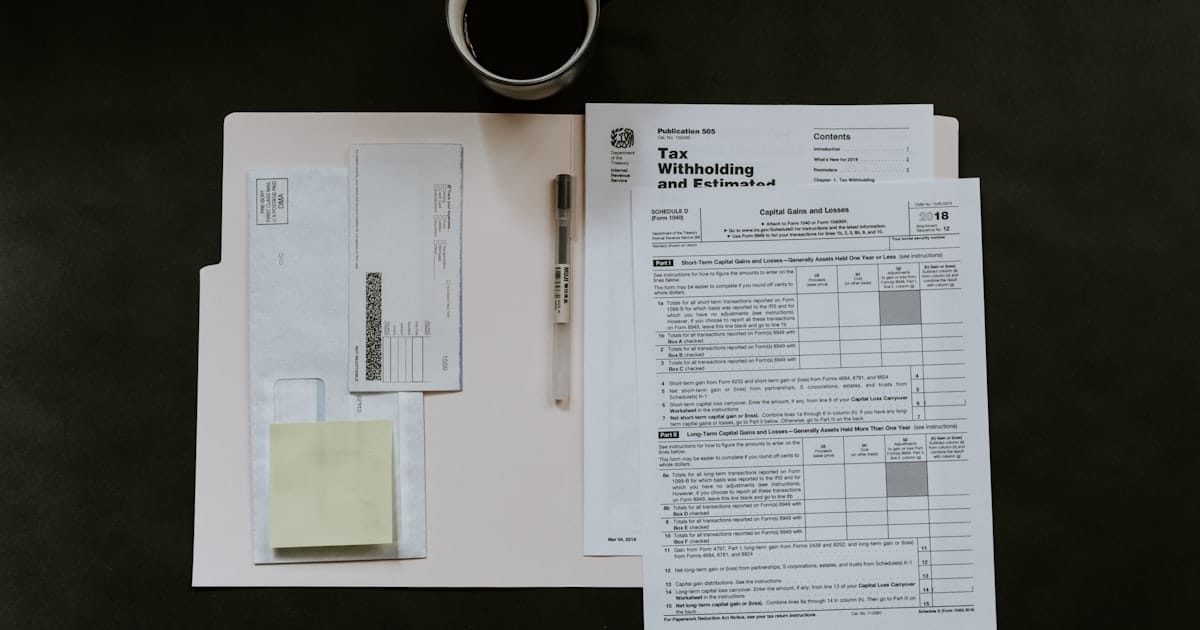
Get the legal basics right from day one. Most home-based freelancers register as self-employed with HMRC and file a Self Assessment tax return each year. For the 2025/26 tax year, HMRC charges self-employed Class 4 National Insurance contributions at 6% on profits between £12,570 and £50,270, and 2% above that. HMRC has also frozen the VAT threshold at £85,000 until at least March 2028, so you must register for VAT if your turnover approaches that level. From April 2028, HMRC’s Making Tax Digital for Income Tax Self Assessment becomes mandatory for sole traders and landlords with income over £50,000, with a second phase for those over £30,000 from April 2029. See our Making Tax Digital checklist for sole traders to prepare.
Check whether your mortgage lender, landlord or home insurance policy allows business use of the property, and consider adding business cover to your insurance. You can also claim allowable expenses, including HMRC’s simplified flat-rate use-of-home allowance. Our guide to home working expenses for the self-employed explains what you can claim.
Create a workspace and routine that works
One of the biggest mistakes new home workers make is trying to operate from the kitchen table. A dedicated workspace, however small, signals to your brain and to others in your household that you are at work. Good lighting, a comfortable chair and reliable broadband are non-negotiable if you are spending several hours a day at a screen.
Routine is your best friend. Set core hours, communicate them to family or housemates, and protect them as far as possible. Of course, flexibility is one of the joys of working from home; taking an afternoon off for a school event or a sunny walk is a genuine perk. Build those breaks into your week rather than letting them interrupt every working day.
Software can replicate some of the support you would have in a larger organisation. Cloud accounting packages such as FreeAgent, QuickBooks or Xero help you track income and expenses and stay ready for Making Tax Digital. Project management tools like Trello, Asana or Monday.com keep deadlines visible, while Slack, Microsoft Teams and Zoom handle communication. Customer relationship management systems such as HubSpot or Capsule help you stay on top of leads and follow-ups. If you need specialist support, freelance platforms such as Fiverr, Upwork and PeoplePerHour let you buy in skills for specific tasks or projects.
Securing clients from your desk
Without customers, you do not have a business. Marketing is therefore your most important ongoing activity, and much of it can be done from home. A professional website, an active LinkedIn profile, targeted social media posts and a regular email newsletter all help you stay visible. Do not underestimate the telephone: in an age of instant messaging, a short call often builds trust faster than a string of emails.
Face-to-face contact is still powerful. Attend local networking events, join your Chamber of Commerce or the Federation of Small Businesses, and look for industry-specific associations where your ideal clients gather. Our guide to women in business networks in the UK lists communities worth joining. If you sell products, pop-up markets, craft fairs and local festivals give you direct feedback and help you build a loyal customer base. For service-based businesses, free workshops, webinars or discovery calls can demonstrate your expertise and generate referrals.
Word-of-mouth remains one of the most effective forms of marketing for micro-businesses. Deliver excellent work, ask happy clients for testimonials, and make it easy for people to recommend you by sharing clear information about what you do and who you help.
Making it work long term
Building a career from home is achievable, but it is rarely an overnight success. Realistic expectations, solid financial preparation, a professional workspace and consistent marketing will put you in a strong position. If you later hire help, remember that under the Employment Relations (Flexible Working) Act 2023, from April 2024 all employees have the right to request flexible working from day one. Stay connected with other business owners, keep learning, and review your progress regularly. With the right foundations, working from home can offer both freedom and a fulfilling career.
Six action steps to get started
- Calculate three to six months of essential living costs and start building that buffer before you leave employment.
- Register as self-employed with HMRC and diarise your Self Assessment deadlines.
- Check your mortgage, tenancy agreement and insurance for business-use restrictions.
- Set up a dedicated workspace and agree core hours with anyone you live with.
- Choose one cloud accounting tool and one project management tool before you take on your first client.
- Book one networking event or join one online community for women in business this month.