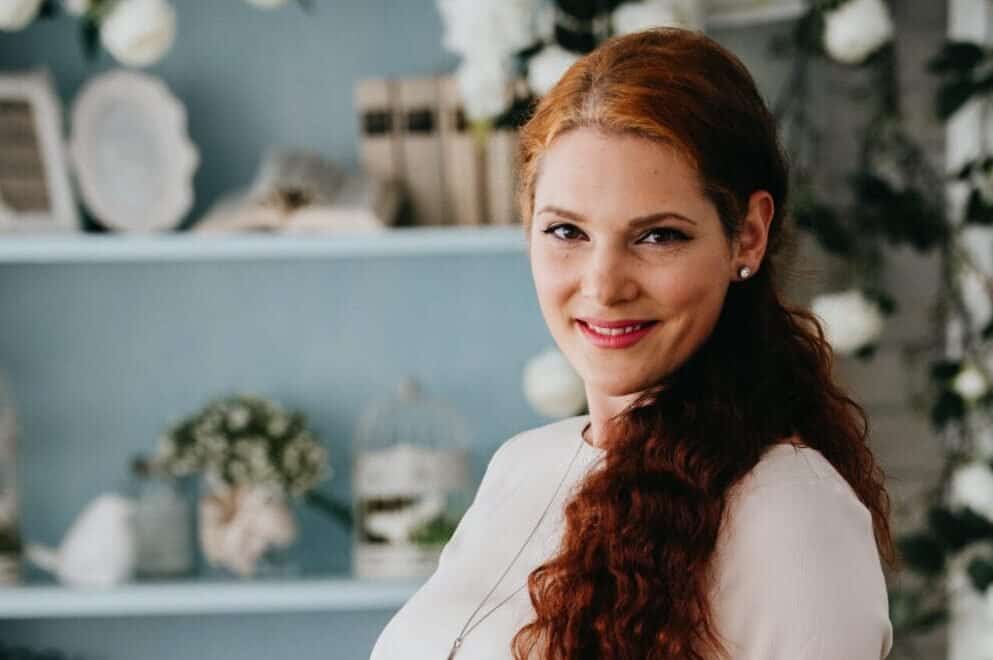
Turning a creative hobby into a sustainable business is a path more women in the UK are choosing. According to DCMS data from 2024, the UK’s creative industries contributed more than £120 billion in gross value added in 2022. The 2024 Rose Review Progress Report estimates that closing the entrepreneurship gender gap could add up to £250 billion in economic value. For founders like Szimonetta Zombori, the journey from carving artist to ecommerce entrepreneur shows what is possible when craft, packaging and digital marketing come together.
In this founder start-up story, Szimonetta, founder of Rosegold & Grey, a UK-based artisan gifting brand, explains how she moved from food carving and bespoke gift boxes to handmade chocolate bars, the marketing channels that drive sales, and the mindset lessons she has learned along the way.
How Szimonetta got started
After leaving high school, Szimonetta spent several years experimenting with different materials to find a creative outlet. She carved everything from cheese and avocado to melon and broccoli, and more recently discovered a love of soap carving. Her background as a chef meant she was able to keep practising food carving while working in professional kitchens.
The business began in her living room. She started making bespoke gift boxes so her carvings could be presented properly to customers. As orders grew, she spotted an opportunity to offer more personalised gifts and began creating artisan, handmade chocolate bars. “I have always had a passion for gift boxes and love giving a personal touch to each one,” she says. “As enquiries increased, the brand was born.”

Why she chose to become a founder
Szimonetta says she has worked hard from a young age and has always had ambitious plans. Early on, that meant taking jobs in hotels and restaurants that were not always enjoyable but were necessary at the time. “I always wanted to be my own boss and do what I love,” she explains. “Reading or hearing successful stories from businesswomen and female founders gives me the power to keep going when I feel tired or cannot see the light at the end of the tunnel.”
Her experience reflects a wider trend. ONS data from 2024 shows that around 1.5 million women were self-employed across the UK. Initiatives such as Start Up Loans for female founders, delivered by the British Business Bank, had lent more than £1 billion to UK entrepreneurs as of 2025.
Solo founder with seasonal support
For most of the year Szimonetta works alone, although her husband provides advice and helps with service and product development. Busy periods such as Halloween and Christmas mean bringing in temporary staff for a few days. “I can feel that soon I will not be able to handle everything by myself, so I will have to think seriously about hiring people,” she says.
For product-based founders approaching their first hire, it is worth understanding current employer obligations. The National Living Wage, flexible working rights and workplace pension duties all change regularly, so checking the latest guidance on GOV.UK before recruiting saves problems later.
The greatest challenge so far
When the gifting business idea took shape, the biggest challenge was making it visible online. With no previous webshop experience, she had to teach herself how to build an ecommerce site, watching tutorials and reading widely. “I checked so many tutorials and read so much about the subject,” she recalls. “In the end, I put together everything the business needed.”
For founders in a similar position, choosing the right ecommerce platform and understanding the basics of search visibility can make the early stages far less daunting. Resources such as our guide to building a brand in competitive digital markets cover the fundamentals of standing out online.
A marketing tactic that works
Szimonetta focuses on social media because that is where her customers are most active. She posts regularly on Instagram and Facebook and is now exploring Pinterest as a way to reach people planning weddings, birthdays and other gift-giving occasions. “I learned so many good things about Pinterest, so being active there is one of my goals,” she says.
Visual platforms can be especially powerful for product-based businesses: high-quality photography, consistent branding and a clear social media marketing strategy help turn browsers into buyers. Many UK micro-businesses now start with organic social reach before testing paid channels once margins and customer lifetime value are clear.

How customers discover her products
Social media is currently the main sales driver. Customers discover her photos and posts, then decide to purchase. While she is still learning about paid advertising, she sees paid search as a future tool to increase sales and brand awareness.
This approach is common among UK creative founders. With all-female founder teams receiving around 2% of UK equity investment, according to British Business Bank research from 2024, many product businesses bootstrap through direct-to-consumer channels before seeking external finance.
Future plans and goals
Szimonetta’s ambition is to open a physical chocolate and gift shop, one that doubles as a meeting place for women in business. “I want to create a place where women in business can meet, with atmosphere, coffee and chocolate,” she says. She also plans to add more value to her gift boxes and support fellow female entrepreneurs as they develop their own businesses.
For founders looking for similar support today, women in business networks in the UK offer mentoring, accountability and peer connections without needing a bricks-and-mortar venue.
Three lessons from the journey
- I can count only on myself. “I cannot assume that someone else will do what they promise, because people often come up with excuses. If you rely on others without a back-up plan, you can be left with nothing. My first rule is: I can only count on myself.”
- Do it today. “There are so many things that need to be done and it can feel overwhelming. But if you make a to-do list and complete important, valuable tasks every day, you keep growing. It is easy to say, ‘I will do it tomorrow,’ and then tomorrow never comes. I force myself to do the things I might not want to do but know I have to do.”
- Do not wait for the right time, because it will never come. “You will always find excuses for why you do not feel ready or good enough. You have to start in order to get better. I remember the first time I stood up to hold a workshop in front of people. I was terrified, but afterwards I was so proud of myself. Do not wait for the right time; just do it.”
Her best piece of advice
“Find out what you are really good at and do not be afraid to start working on your goals,” she says. “It will be hard, really hard, but it will be worth it.”
Action steps for your own start-up story
- Validate your product with real customers before investing heavily in a website or stock.
- Choose one or two social platforms where your target customers already spend time, then post consistently.
- Learn the basics of ecommerce SEO and product photography; both drive long-term, low-cost traffic.
- Explore funding routes such as Start Up Loans, grants for women-led businesses or crowdfunding before approaching equity investors.
- Join a women in business network early for accountability, referrals and practical feedback.
You can continue following Szimonetta’s start-up story by visiting her shop at Rosegold & Grey and following her on Instagram.