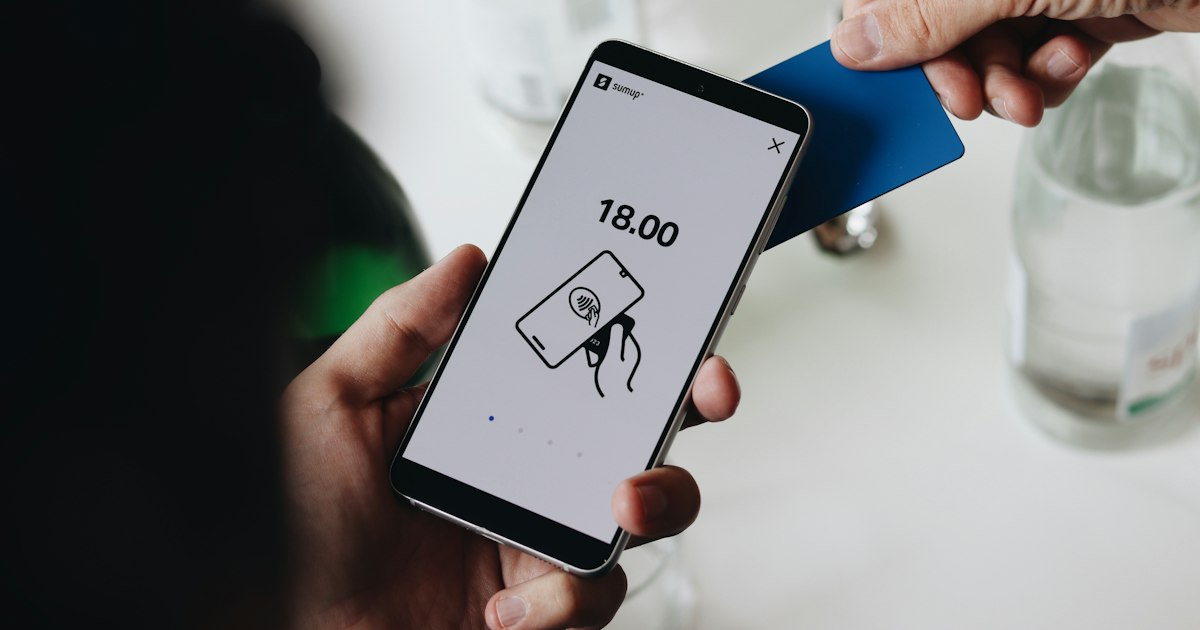
Choosing the right business mobile contract UK plan is not just about finding a cheaper tariff. For women running UK small businesses, the decision affects tax relief, professionalism, data security, and how easily clients can reach you. Whether you are a sole trader, a limited company director, or employing a small team, a business-specific plan can be more cost-effective than using a personal phone.
According to Ofcom’s Communications Market Report 2024, 94% of UK adults now own a smartphone. The Alison Rose Review of Female Entrepreneurship 2024 also found that there are now 1.6 million women-led businesses in the UK, contributing an estimated £85 billion to the economy. For many of those founders, a smartphone is the primary tool for client calls, invoicing, social media, and banking. Yet many women founders still pay for business use through a personal contract, missing out on tax relief and cleaner expense tracking. See our Women in Business: Key UK Facts page for the latest statistics on women-led enterprises.
Why a Business Mobile Contract UK Plan Beats Personal Tariffs
A business mobile contract is an agreement taken out in your business name, usually with VAT invoices, itemised billing, and support terms designed for commercial use. The main advantages over a personal plan include:
- Tax relief: The cost can be an allowable business expense, reducing your taxable profit.
- VAT recovery: VAT-registered businesses can reclaim VAT on business calls and line rental.
- Professional separation: A dedicated business number keeps personal and client calls apart.
- Better support: Business tariffs often include faster repairs, replacement handsets, and account management.
- Shared data pools: If you have staff, you can share data allowances across multiple users.
Using a personal phone for business may seem cheaper at first, but it can create problems at tax time. HMRC expects clear records, and mixing personal and business calls makes it harder to claim the correct proportion of costs.
HMRC Rules: What You Can Claim in 2026
HMRC treats mobile phones differently depending on your business structure. Getting this right can save you money and keep your records compliant. For the latest detail, see HMRC guidance on mobile phones as expenses and benefits.
How Limited Companies Can Provide Mobile Phones
If your limited company provides one mobile phone to each employee, including yourself as a director, the cost is generally an exempt benefit. This means the company can pay the contract cost without creating a taxable benefit in kind, provided the phone is available for business use. The contract must be between the company and the supplier. HMRC guidance confirms that one mobile phone per employee can be provided tax-free.
If you are unsure how this fits with your director pay strategy, read our guide on how to pay yourself as a limited company director in 2026.
How Sole Traders Claim Mobile Phone Costs
If you are self-employed, you can claim the business proportion of your mobile phone costs as an allowable expense. If 60% of your usage is for business, you can claim 60% of the monthly contract cost. You must keep records to justify the split. For more detail, see our guide to allowable expenses for self-employed workers.
What to Compare When Choosing a Contract
Business mobile contract UK plans vary widely. Before signing, compare these factors:
- Data allowance: Video calls, cloud apps, and social media management use significant data. Most business users need a generous monthly allowance.
- Roaming: If you travel to the EU or beyond for work, check whether roaming is included. Post-Brexit roaming charges have returned on many networks.
- Contract length: Business contracts typically run 12 or 24 months. Shorter terms offer flexibility but may cost more per month.
- Handset or SIM-only: SIM-only deals usually cost less per month, while handset-inclusive plans spread the cost of a new device across the contract term.
- Shared plans: If you employ staff, a shared business plan can reduce the per-user cost.
Improve Security and Professionalism for Your Business
For women founders, the boundary between personal and professional life can be especially fluid. A dedicated business number helps you switch off at the end of the day, while itemised billing removes the guesswork from expense claims.
A business mobile contract also helps protect company data. Business-grade plans often include mobile device management tools, security software, and faster replacement services if a phone is lost or stolen. This matters because a lost phone containing client emails, invoices, or banking apps can create a serious data breach risk.
The Information Commissioner’s Office requires all businesses, including sole traders, to keep personal data secure. A business contract with device management and remote wipe capability can help you meet those responsibilities.
From a client perspective, a dedicated business number looks more professional than calling a personal mobile. It also makes it easier to hand over communication to a team member as you grow.
Practical Action Steps for Women in Business
- Review your current mobile spending and estimate the business percentage.
- Check whether your business structure allows full tax relief or only a proportion.
- Compare at least three business mobile contract UK providers on data, roaming, and support.
- Set up a dedicated business number if you currently use your personal phone.
- Keep itemised bills and records to support your expense claims.
Final Thoughts on Business Mobile Contracts
A business mobile contract UK plan is a small but practical upgrade for any UK woman in business. It can reduce your tax bill, improve client communication, and give you cleaner financial records. Before you renew your personal plan, compare business options and check the latest HMRC guidance to make sure you claim the right amount.