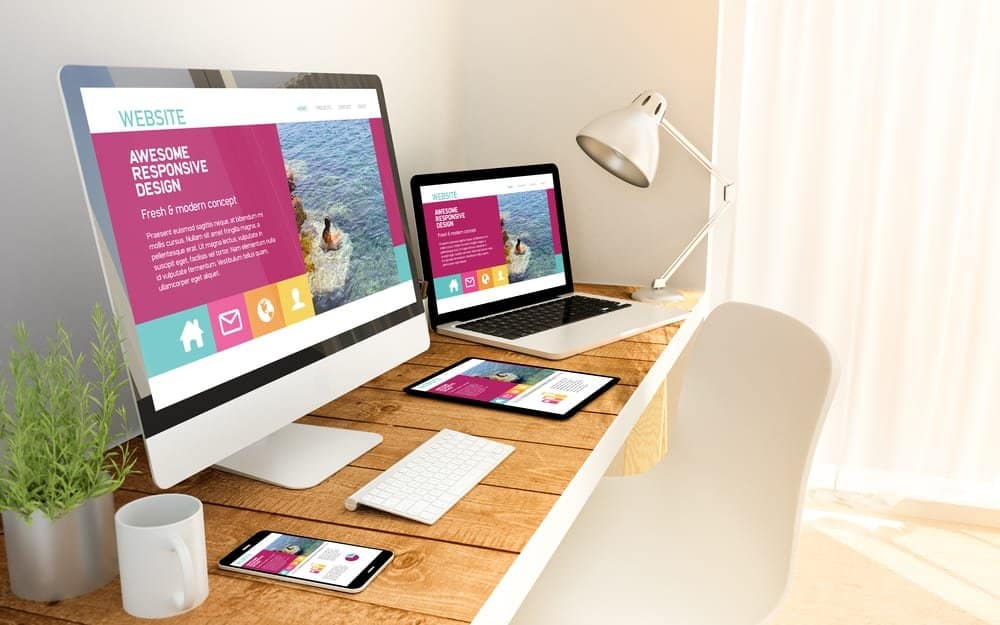
Choosing the right online tools for new business owners in the UK can replace expensive agency retainers and full-time admin staff. For women founders juggling capital constraints, caring responsibilities and lean teams, that matters. The right stack lets you look professional, stay compliant and reclaim time.
Before you subscribe to anything, know the regulatory backdrop. From April 2026, Making Tax Digital for Income Tax Self Assessment becomes compulsory for sole traders and landlords with annual business or property income over £50,000, according to HMRC guidance published for the 2026/27 tax year. The threshold drops to £30,000 from April 2027. If you trade through a limited company, you must also complete Companies House identity verification, which became mandatory in 2025 under the Economic Crime and Corporate Transparency Act 2023. Your software choices should make these obligations easier, not harder.
Six online tools for new business success
Put these in place when you launch, with a UK lens on cost, compliance and scalability.
1. Website builder and domain
Every business needs a website, even if you never sell directly through it. Potential customers, investors and partners will search for you before they call. For women founders building credibility on a budget, a polished website signals professionalism before you can afford to hire anyone.
DIY builders such as Wix, Squarespace and Shopify remain popular because they need no coding. If content marketing and search visibility matter to your growth plan, WordPress remains widely used in the UK small business market because of its flexibility and SEO-friendly structure. For a step-by-step approach, see our guide to creating your first website.
Whichever platform you choose, register a .co.uk or .uk domain through a UK-based registrar if your market is domestic. Check that the host offers SSL certificates, UK or EU server locations for GDPR compliance, and clear data-processing terms.
2. Customer relationship management (CRM)
A CRM is not just for large sales teams. From day one, it stores names, emails, enquiry sources, purchase history and conversation notes so you do not lose leads in a cluttered inbox. This is especially useful if you are networking while managing other responsibilities; you can pick up a conversation exactly where it left off.
Free tiers from HubSpot, Capsule and Zoho cover most early-stage needs, including contact records, deal pipelines and basic email tracking. For UK founders, check where customer data is stored and whether the provider signs a UK GDPR-compliant data processing agreement. If you handle sensitive personal data, such as health or financial details, you may need enhanced security features from the start.
3. Email marketing and newsletters
Email marketing is an asset you own, unlike social media audiences that depend on platform algorithms. For time-poor founders, automated welcome sequences keep working while you focus on delivery. Tools such as Mailchimp, Brevo and MailerLite let you build sign-up forms, segment audiences and automate those sequences. Most offer free plans up to a few hundred or thousand contacts.
Under UK GDPR and the Privacy and Electronic Communications Regulations, you need explicit consent before sending marketing emails. Use double opt-in, keep a clear unsubscribe link in every message, and store proof of consent in your CRM or email platform. A quarterly newsletter is a low-cost way to stay front-of-mind without relying on algorithm changes.
4. Accounting software that is MTD-ready
Keeping records in spreadsheets is no longer enough. HMRC now expects digital, quarterly reporting from businesses caught by the MTD thresholds, and even below those thresholds, clean digital records make Self Assessment far less stressful.
UK-focused options include FreeAgent, Xero, QuickBooks and Sage. Look for HMRC-recognised MTD compatibility, automatic bank feeds, receipt capture, and the ability to produce a profit-and-loss statement at any point. If you are unsure what you can claim, our allowable expenses guide lists the categories HMRC accepts.
Many founders start with a simple sole trader package and upgrade to a limited company plan later. Factor in the cost of an accountant too. Software does not replace professional advice on VAT, dividends or director remuneration, but it dramatically reduces the time your accountant spends sorting paperwork.
5. Project management and collaboration
Whether you are working alone or with freelancers, a project management tool stops tasks from slipping through the cracks. If you are juggling client work with caring responsibilities, a shared board keeps everyone aligned without constant calls. Trello, Asana, Monday.com and Notion all offer free or low-cost plans. Use them to map launches, content calendars, client onboarding and product development.
If you employ people or use contractors, keep an eye on the Employment Rights Act timeline, which introduces new day-one rights and probationary rules during 2026. Your project management system can hold the documentation that proves you followed fair process.
6. Social media and AI-assisted content management
A strong social presence builds credibility, but posting manually across LinkedIn, Instagram, Facebook and TikTok quickly becomes unsustainable. Batching content at the weekend or during school hours is easier with a scheduler. Tools such as Buffer, Hootsuite and Later let you batch content, monitor mentions and review analytics from one dashboard.
In 2026, artificial intelligence is also part of the toolkit. AI can draft first-pass captions, suggest hashtags, transcribe videos and generate image ideas. It speeds up content production, but it still needs your voice and judgement. For a balanced view of what is worth adopting, read our guide to the best AI tools for UK small businesses.
What to prioritise in your first month
You do not need every tool on day one. Start with the basics that keep you legal and contactable: a domain and website, an MTD-ready accounting package, and a CRM or simple email list. Add project management and social scheduling once you have paying customers or a launch date.
Before committing to annual billing, test free plans and check cancellation terms. Map each tool against one question: does it save me time, reduce risk, or help me win customers? If it does not clearly do at least one of those things, leave it until later.
Action steps for your first month
- Confirm whether your expected 2026/27 income will put you above the £50,000 MTD for Income Tax threshold, and choose HMRC-recognised accounting software accordingly.
- If you form a limited company, complete Companies House identity verification for every director and person with significant control.
- Register a UK domain and publish a simple website with contact details, services and social proof.
- Set up a CRM or email marketing tool with GDPR-compliant consent tracking from the first subscriber.
- Pick one project management tool and one social scheduling tool, and use them for at least 30 days before adding more software.
The right online tools for new business owners in 2026 help you operate professionally, stay on the right side of HMRC and Companies House, and free up time to focus on growth.