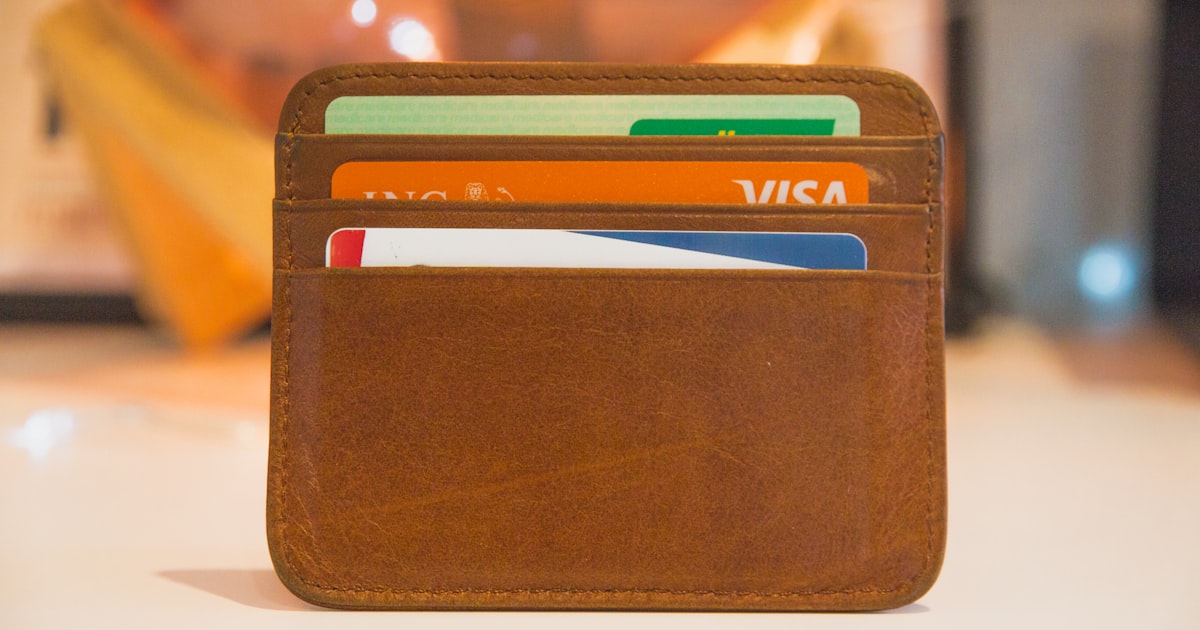
A business credit card can be a practical cash-flow tool for UK businesses of all sizes, from sole traders to limited companies. Used well, it separates company spending from personal finances, simplifies bookkeeping and provides a short-term credit buffer. For women-led start-ups and growing firms, the right business credit card UK product can also help build a credit record in the business’s own name.
Women-led businesses are a significant part of the UK economy. The Alison Rose Review of Female Entrepreneurship 2023 estimated that women-led businesses contribute around £141 billion to the UK economy. Yet a card is only useful if it matches the way your business operates. Choose the wrong product and high interest, annual fees or a personal guarantee can quickly outweigh the benefits.
Before you apply, work through these eight practical checks to help you choose a business credit card UK with confidence.
Eight checks for choosing a business credit card UK
Understand the difference from personal cards
Business and personal credit cards are not the same. A personal credit card is taken out in your own name and is your own financial responsibility. A business credit card is issued to the business, although the provider will usually require a personal guarantee from a director or owner.
For sole traders, there is no legal separation between the individual and the business, so you are personally liable for any debt. Limited company directors may also be asked to guarantee the card personally, which means missed payments can affect your personal credit file.
Business cards typically offer higher credit limits, extra cards for employees and spending reports that make VAT returns, self-assessment and year-end accounts easier. Personal cards do not usually provide the same level of control or reporting. For women founders, keeping personal and business finances separate is an important step towards building a credit record in the business’s own name.
Consider rewards and perks
Rewards can add value, but only if you will actually use them. UK business credit cards commonly offer cashback, Avios travel points, retail discounts or fuel savings. A card that pays cashback on office supplies may suit a home-based business, while one that earns Avios or offers airport lounge access may suit a firm with regular travel.
Do not let rewards drive the decision. A card with a high annual fee or interest rate can easily cancel out any cashback or points earned. Women-led businesses with home-based offices or regular client travel should pick rewards that reflect actual spending patterns rather than headline offers.
Match the card to your business needs
Match the card to the way you spend. Before comparing products, list the main expenses you want to put on the card and how quickly you can repay the balance.
- Need to cover frequent travel or client entertainment? Look for travel rewards and no foreign transaction fees.
- Buy stock or equipment online? Prioritise purchase protection and a clear online statement.
- Want to build a business credit record? Choose a card that reports to UK credit reference agencies and has no annual fee.
- Need to issue cards to staff? Check whether free additional cards and custom spending limits are included.
The Alison Rose Review of Female Entrepreneurship has highlighted that women-led businesses are often less likely than male-led businesses to seek external finance, so choosing a card that matches your actual spending can help you build business credit without taking on unnecessary debt.
Check the application requirements
Business credit card applications are more involved than personal ones. Providers usually ask for your business bank account details, your Companies House registration number if you are a limited company, recent bank statements and turnover figures. A hard credit search will normally be carried out on the business and often on the applicant personally.
Women-led start-ups and sole traders may still qualify, especially if they have a steady income and a clean personal credit history. If your business is new, be prepared to explain your trading plan and projected revenue.
Know the legal protections
Section 75 of the Consumer Credit Act 1974 does not usually cover business credit cards. Section 75 gives personal credit card holders valuable protection when goods or services costing between £100 and £30,000 are not supplied as agreed. This statutory protection generally does not apply to business cards, even for small purchases.
You may still be able to use the card scheme’s voluntary chargeback process if something goes wrong, but this is not a legal right. Women-led businesses should not assume that a business card offers the same protection as a personal card, even for smaller purchases. To reduce risk, check statements regularly, set up spending alerts and keep card details secure.
Compare the total cost
Look beyond the headline interest rate. Representative APRs on UK business credit cards vary widely, and the rate you are offered depends on your business and personal credit profile. Cash withdrawals usually attract higher rates and fees from the day of the transaction.
Check whether there is an annual fee, charges for additional cardholders, foreign transaction fees, late payment fees and balance transfer costs. Because women-led businesses are more likely to bootstrap, keeping borrowing costs low can make a real difference to cash flow. If you plan to clear the balance in full each month, a card with an interest-free period of up to 56 days and a low or no annual fee may be cheapest. If you need to borrow over several months, a low-rate card or a business loan is usually more cost-effective.
Understand liability and personal guarantees
Most UK providers ask for a personal guarantee. Even if your business is a limited company, the issuer may require you to agree that you will repay the debt if the business cannot. This means missed payments can affect your personal credit file and, in some cases, put your personal assets at risk.
Read the terms carefully. If you are uncomfortable giving a personal guarantee, consider alternatives such as a business overdraft, invoice finance or a government-backed Start Up Loan. The British Business Bank’s Start Up Loans programme offers up to £25,000 per director or partner, capped at £100,000 per business, with a fixed 6% interest rate and free mentoring.
Plan for future growth
Choose a card that can grow with your business. Think about where the business will be in one to three years. A start-up with low turnover may only need a basic card with no annual fee, while a growing company may benefit from higher limits, multiple employee cards and detailed spending reports.
Given the scaling challenges highlighted by the Alison Rose Review of Female Entrepreneurship, choosing a card that can grow with your business may help you manage cash flow at each stage. Remember that a credit card is designed for short-term cash-flow management, not long-term funding. For expansion, equipment purchases or recruitment, explore business loans, asset finance or equity investment alongside your card.
Compare carefully before you apply
A business credit card can be a helpful financial partner when it is matched to your needs and managed carefully. Before you apply, compare the APR, fees, rewards, credit limit and liability terms of any business credit card UK option, and make sure you understand what happens if the business cannot repay.
For women-led businesses, the right card can be a stepping stone to stronger business credit and more formal finance options in the future.
Five steps to take next
These steps are particularly relevant for women-led businesses that want to build business credit without taking on unnecessary personal liability.
- List your three biggest monthly business expenses and match them to card features such as cashback, travel rewards or purchase protection.
- Check your personal credit report before applying, because most providers run a hard search on the applicant as well as the business.
- Compare at least three business credit card UK products using the total cost of borrowing, not just the rewards.
- Read the personal guarantee terms and decide whether you are comfortable with the liability.
- Set up alerts and a monthly repayment reminder to avoid late fees and protect your credit record.
If you are unsure whether a business credit card is the right option, speak to an independent financial adviser or accountant. They can help you weigh up the costs and benefits against other forms of business finance.
See also:
- What UK Directors Must Consider When Choosing Business Loans
- Allowable Expenses Self Employed UK
- Women in Business: Key UK Facts
Disclaimer: This article provides general information and is not a recommendation to act. Please seek independent financial advice before entering into any financial transaction.