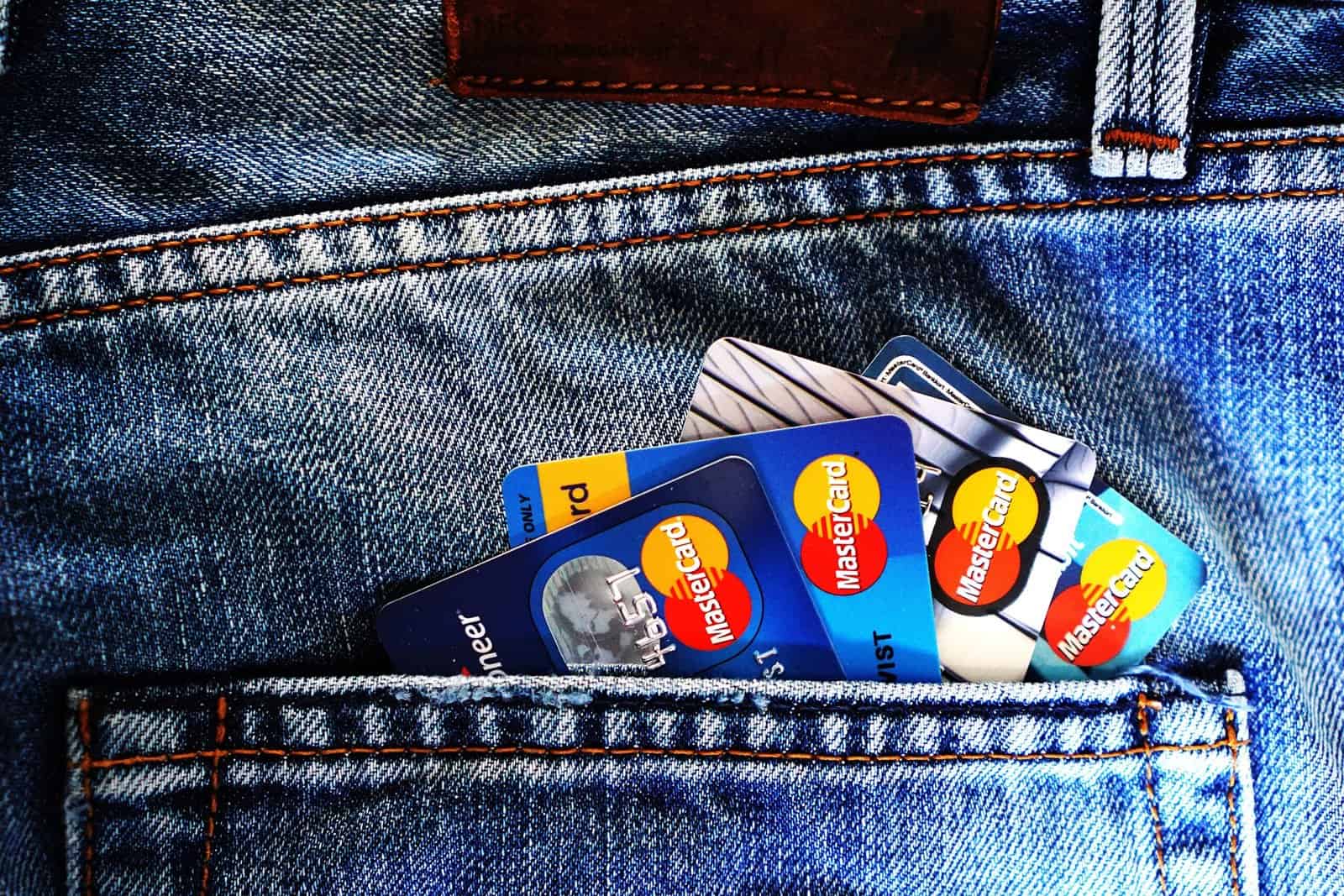
Used carefully, business credit cards UK can be a practical cash-flow tool for a small business. A card can cover a short-term gap between paying suppliers and receiving customer payments, or help manage an unexpected expense without immediately draining your operating account. The British Business Bank’s Small Business Finance Markets 2024 report notes that credit cards and overdrafts are among the most widely used forms of external finance for smaller businesses.
That convenience comes with risk. The Financial Conduct Authority (FCA) continues to warn that carrying persistent credit card debt leads to high interest costs. Under FCA persistent debt rules for credit cards, if you pay more in interest and charges than you repay over 18 months, your card issuer must contact you; after 36 months, they may suspend the card or offer ways to clear the debt. These rules mainly cover personal cards and some small-business cards, so check whether your business card is included. For business owners, the danger is that a card intended as a short-term safety net becomes a long-term debt.
Before applying, decide what you need the card for. A business credit card is different from a personal card: it is taken out in the business name, can help build your business credit record, and often lets you issue cards to employees. A personal credit card may offer stronger consumer protections, but using it for business spending can blur your accounts and may not be tax efficient.
Your own money-management habits matter too. If you find it hard to resist impulse spending or to set up regular repayments, a credit card could do more harm than good. Below are the main pros and cons to weigh up.
Pros of business credit cards UK
Improved cash flow: A credit card gives you a revolving line of credit that can bridge short-term gaps. This can be useful if you need to buy stock or pay for travel before client invoices are settled. Pair it with a clear cash flow forecast so you know exactly when the bill can be cleared.
Builds a business credit record: Using a business credit card responsibly, keeping balances low and paying on time, can help establish a credit history for your company. A stronger business credit profile may make it easier to access loans, asset finance or trade credit later. This matters for women-led businesses. The Alison Rose Review of Female Entrepreneurship (2019) found that only 1% of UK venture capital goes to all-female founder teams, and that closing the entrepreneurship gender gap could add up to £250 billion to the UK economy. Building a strong business credit record is one way to improve your position with lenders. See the latest women in business facts for the wider picture.
Purchase protection: Personal credit card purchases between £100 and £30,000 are protected under Section 75 of the Consumer Credit Act 1974 if goods are faulty, not delivered or a supplier goes bust. Some business card providers offer similar voluntary protection, but it is not a legal right, so check the terms before you rely on it.
Fraud protection: If a fraudster uses your credit card, your main business bank account is not directly exposed. Report the fraud promptly to your card issuer and, where appropriate, to Action Fraud. While the issuer investigates, your operating cash remains untouched.
Rewards and perks: Business credit cards may offer cashback, points or travel perks. These can be valuable if you would be spending the money anyway, but they should not be the main reason to choose a card. Always compare the annual fee and interest rate against the likely reward value.
Interest-free periods: Many cards offer an introductory 0% period on purchases or balance transfers. Used well, this is effectively free short-term borrowing. Set a reminder for when the promotional rate ends, because the standard interest rate can be much higher.
Expense tracking: A dedicated business card separates company spending from personal spending. Most providers offer online statements and spending reports, which can simplify bookkeeping and year-end tax returns. For sole traders, keeping business and personal costs separate is essential when claiming allowable expenses.
Cons of business credit cards UK
Temptation to overspend: A credit limit can feel like extra income. Without discipline, it is easy to buy equipment or services you do not need. Overspending on a card can quickly turn a cash-flow blip into a debt problem.
Can damage your credit score: Late payments, maxing out the card or only paying the minimum will harm both your personal and business credit ratings. If you are struggling, contact your lender early or speak to a free debt adviser through MoneyHelper or Citizens Advice.
High interest and fees: Standard APRs on business credit cards are often in the high teens or above. Annual fees, late-payment charges, cash-advance fees and foreign-transaction fees can also add up. Read the summary box and terms carefully so you understand the total cost.
Personal liability: Many small business credit cards require a personal guarantee from the company director. That means if the business cannot repay the debt, you may be personally responsible. This is a serious consideration for sole traders and limited company directors alike. If you are unsure which structure suits you, read our comparison of sole trader vs limited company arrangements.
Not all spending is protected: Section 75 protection does not usually apply to business credit cards. If you are buying high-value items such as flights, event tickets or equipment, consider whether a personal card or alternative payment method gives you better recourse if something goes wrong.
Foreign transaction and cash fees: Using a business card abroad or withdrawing cash can trigger fees and higher interest from day one. If you travel or pay overseas suppliers regularly, look for a card designed for international use or compare the foreign-exchange charges before you spend.
Minimum payments stretch debt: Paying only the minimum each month keeps the account in good standing but means interest keeps accruing. A £2,000 balance at a typical APR could take years to clear and cost hundreds of pounds in interest if you only pay the minimum.
Tax treatment and record keeping
According to HMRC guidance, interest and annual fees on a business credit card can be tax deductible if the spending is wholly and exclusively for business purposes. HMRC may ask you to prove that personal spending has not been mixed with business spending, so keep detailed records and receipts. If you use one card for both business and personal costs, you will need to separate them carefully, which is why most accountants recommend a dedicated business card.
Making business credit cards UK work for you
A credit card is neither good nor bad in itself; it is a tool that rewards discipline and punishes carelessness. If you decide a business credit card is right for you, choose one that matches how you will use it, set up a monthly direct debit for the full balance if possible, and review statements regularly.
Remember that a credit card is only one option. Women-led businesses in the UK can also explore business grants for women, Start Up Loans or revenue-based finance. Used wisely, business credit cards UK can support your cash flow and help your business grow. Used poorly, they can become an expensive burden.