Here is the uncomfortable truth about frictionless payments in the UK: your customers no longer compare your checkout with the business down the road. They compare it with the smoothest payment they made this week, usually a one-tap purchase on a phone. Mobile wallets, open banking and faster online checkout have set that standard. Small businesses that ignore it will not just look dated in 2026; they will quietly lose sales, trust and repeat custom.
Changing payment landscape in the UK
Dominance of digital and contactless methods
A recent UK Finance report found that in 2025 card payments represented 64% of all UK payments. Contactless usage and mobile wallet adoption continue to grow. Debit cards accounted for 53% of all payments, while cash dropped to just 8% of transactions. In the same year, there were over 100 million contactless debit cards in issue.
Read those numbers carefully, because they flip the old logic on its head. Cash is no longer the fallback; it is the exception. The question for a small business is not whether to accept digital payments, but whether yours are fast enough to feel invisible.
The emergence of open banking and recurring payments
UK open banking is growing rapidly. In late 2024, around 11.7 million UK users actively used open-banking-enabled products. At the same time, people made over 22 million payments per month via open banking. Variable Recurring Payments (VRPs) under the UK Payments Initiative are expected to go live in early 2026. They will give small businesses simpler ways to manage subscriptions, bills and repeat purchases.
The commercial appeal is real: account-to-account payments can cost less per transaction than card processing and settle almost instantly. That is why the major payment providers are racing to build them into mainstream checkouts.
What customers now expect at checkout
Speed, clarity and choice
Shoppers are impatient, and retailers know it. A 2026 survey by Lloyds found that 91% of retail decision-makers see adapting to customer behaviour as a strategic priority, citing pressure to deliver easy checkout, flexibility and speed. Every extra field, page load or device switch is a chance for the customer to walk away. Frictionless payments mean hunting down those moments and removing them, one by one.
Trust and security without sacrifice
Customers want security, but not at the cost of convenience. Tokenisation, where card details are replaced with an encrypted digital token so returning customers can pay in one tap, is doing much of the heavy lifting here. So are biometric authentication and strong customer authentication (SCA). KPMG UK research on payments modernisation found that 66% of banking executives called ease of use the must-have payment feature, while 57% valued speed above all. The lesson for small businesses: security should be felt, not seen.
The regulatory context for frictionless payments in the UK
Payment regulation and a stronger open banking framework
In July 2026, the UK government published a consultation on modernising payment services regulation. It aims to revise the Payment Services Regulations (PSRs) and bring tokenised payments, agentic payments and other newer digital payment methods into a clearer legal framework. The Data (Use and Access) Act 2025 also plays a pivotal role. It grants regulators powers to set new rules on account access, paving the way for streamlined open banking services.
Phase 1 of commercial VRPs and open banking infrastructure
The UK Payments Initiative’s commercial Variable Recurring Payments (cVRPs) began roll-out in the first quarter of 2026. This marks a shift from conceptual payment models to practical options for automated billing. Meanwhile, regulators are working on a long-term regulatory framework for open banking under the Data (Use and Access) Act 2025, expected during 2026. Businesses implementing open banking or VRPs must follow evolving standards for interfaces and privacy.
How UK small businesses can implement frictionless payments
Review your existing payment methods and infrastructure
Start by auditing how customers pay you now. Do you accept contactless cards and mobile wallets such as Apple Pay and Google Pay? Are your online checkouts responsive and mobile-friendly? According to UK Finance, 65% of UK adults were registered for at least one mobile wallet in 2025, up from 57% in 2024. If most of your customers use mobile devices, your payment paths must follow suit.
Your business structure matters here too. Merchant account terms, fees and eligibility can differ depending on whether you operate as a sole trader or a limited company, so factor payment costs into that decision. Our guide to choosing between a sole trader and limited company structure explains the trade-offs.
Use open banking and VRPs where they fit
Some businesses rely on repeat payments, such as subscriptions, memberships or regular services. For them, cVRPs offer a way to reduce failed payments and improve retention. Open banking lets customers pay you directly from their accounts: no cards needed and, in some cases, lower fees. Use cases include recurring deliveries, weekly classes or monthly retainers. While standards and regulations evolve, prepare by choosing payment partners that already meet open banking compliance requirements.
Strip friction out of your checkout
Focus on removing unnecessary steps. Do you force account creation? Does your design switch users between browser and app? Does authentication ask for redundant information? These are friction points. Test one-page checkout or guest checkout with minimal data fields. Use tokenisation to speed up repeat purchases. At the point of sale, ensure all terminals accept contactless and near-field communication (NFC) payments. Then check your payment failure-rate metrics: if failed payments are causing customers to abandon purchases, you know exactly where to target improvement.
Balance inclusion and coverage
Digital predominates, but cash still matters. It accounts for around 8 to 9% of UK payments and remains important for certain demographics. Small retailers and market traders should still offer cash or manual card terminals where feasible. Also consider accessibility: older customers or those without smartphones must have easy alternatives. Training staff to handle diverse payment scenarios and providing clear signage helps customers understand which options you offer.
Fund the upgrade without straining cash flow
Two realities make this shift particularly significant for women founders. Women-led businesses cluster in consumer-facing sectors such as retail, wellbeing, food and creative services, where the checkout moment is the business. And women are more likely to start lean, self-funded ventures, which is exactly why the new payment landscape helps: pay-as-you-go card readers and per-transaction pricing mean you no longer need a merchant account or a monthly contract to take payments like a much larger player.
If you are planning a wider digital upgrade, check whether you qualify for support before paying full price. Our guide to grants for women in business lists schemes that can help cover technology and equipment costs.
Metrics to monitor and tools that help
Key performance indicators
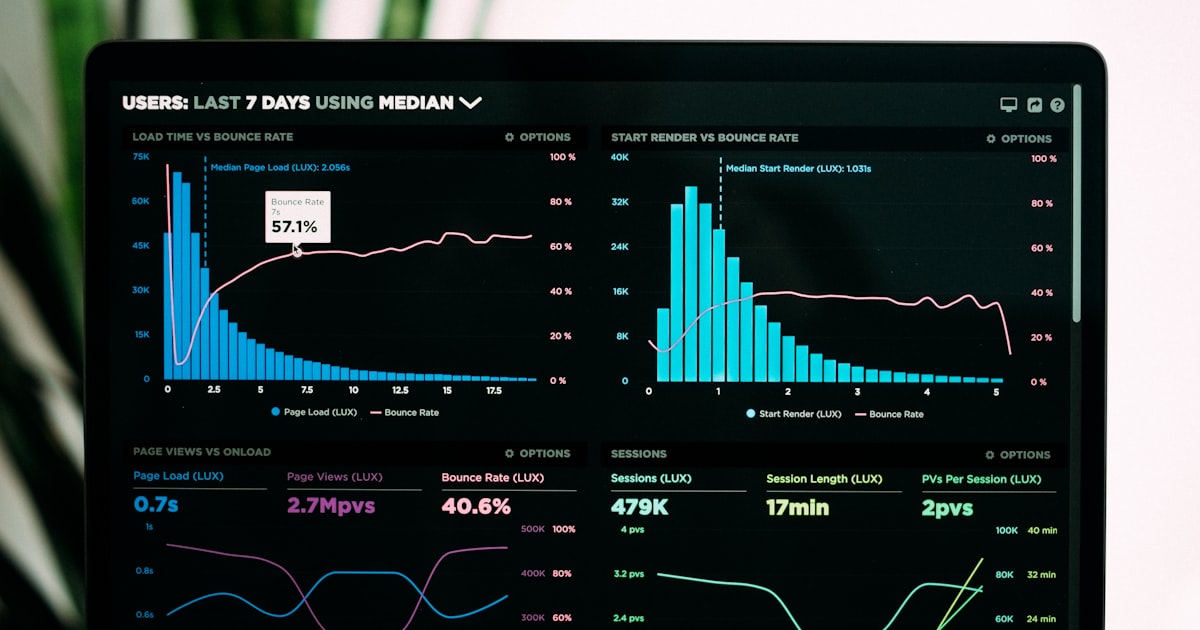
Tracking progress on frictionless payments means using numbers. Key metrics include:
- Cart abandonment rate, especially during the payment and checkout flow
- Payment failure rate (failed card charges, declines and timeouts)
- Share of contactless and mobile wallet transactions versus cards
- Average time to complete payment, from basket to confirmation
- Cost of payment processing fees per transaction
- Customer feedback on checkout satisfaction
Review these monthly, and again after any change to your checkout. A small rise in failure rate is often the first sign that your provider, not your customers, is the problem.
Tools and partners to streamline integration
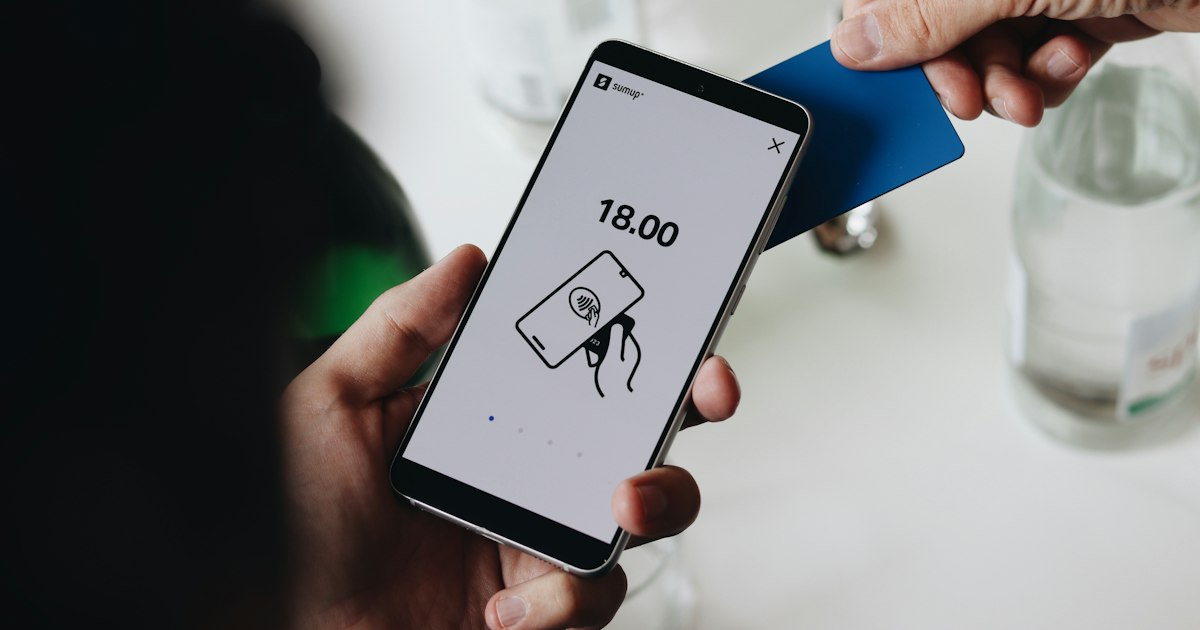
For in-person sales, pay-as-you-go readers from providers such as Square, SumUp and Zettle by PayPal let you take contactless and wallet payments with no monthly fee, which suits seasonal or part-time trading. Dojo and takepayments offer contract terminals with faster settlement options. Online, Stripe, Worldpay and Shopify Payments support cards, wallets and open banking through a single integration. For account-to-account and recurring payments, UK open banking providers such as GoCardless, TrueLayer and Yapily are worth comparing.
Two practical points whatever you choose. First, compare settlement times as closely as fees: money landing in your account the next day rather than five days later is a genuine cash flow advantage. Second, make sure your payment data feeds directly into your accounting software, whether that is Xero, QuickBooks or FreeAgent. Clean transaction records save hours at tax time and strengthen future finance applications.
Potential pitfalls and how to avoid them
Over-complex payment choice
Offering every payment method under the sun can backfire. Too many options at checkout can slow people down and heighten indecision. Pick the methods your target customers actually use, and let analytics or a short customer survey guide which ones to add next.
Security overload that scares customers
Strong customer authentication is required under the UK’s Payment Services Regulations, which carried over the EU’s PSD2 security rules, and these requirements are expected to evolve as open banking reforms progress. But do not make security so visible that it tramples convenience. Use risk-based authentication, invisible fraud detection, or step-up checks only when needed. Ensure compliance with the PSRs, especially when working with open banking providers.
Ignoring underserved customers
If you go digital-only, you risk excluding people who lack access, trust or technical skill. Some customers depend on cash or have disabilities. The FCA’s access to cash rules took effect in September 2024. They require banks and building societies to assess and address gaps in local cash provision. LINK also reviews community access to cash when bank branches or ATMs close. Be mindful of signage, communication and fallback options. Inclusion is not just ethical; it is commercial. A customer turned away at the till rarely comes back.
Looking ahead: what’s next for frictionless payments in the UK
Regulatory clarity and open standards
In late 2026 and into 2027, the UK government is expected to publish the long-term regulatory framework for open banking. This will embed rules under the Data (Use and Access) Act 2025 and enable the FCA to regulate interface standards, account access and pricing for open banking providers. Businesses should watch these developments and adapt contracts with payment vendors accordingly.
More embedded and agentic payment experiences
Agentic payments are emerging. In these transactions, intelligent systems trigger or complete payments on behalf of customers. Survey data shows interest, but trust remains a barrier. Until customers feel fully in control, hybrid models are likely to lead the way, in which customers authorise recurring or predictable payments such as utilities or memberships. Our advice: keep a watching brief on this rather than rushing in. The basics will earn you more this year.
Focus on resilience and error handling
Payment delays, failed authorisations and outages can damage brand trust faster than any visible fee. There is also a darker side to frictionless speed: UK Finance reported that fraud losses exceeded £1.17 billion in 2024, across 3.31 million confirmed cases. As payments get faster, so do fraudsters. Build in fallback options, transparent messaging for when things go wrong, and responsive customer support.
The bottom line
Frictionless payments are no longer a way to stand out; they are the price of being considered at all. Nail the basics first: contactless and wallets everywhere you sell, a checkout measured in seconds rather than minutes, and clear data on where payments fail. Then look at open banking and VRPs for repeat custom, and treat agentic commerce as tomorrow’s question. The businesses that win in 2026 will not offer the most ways to pay. They will be the ones whose customers never have to think about paying at all.
Clean, consistent payment records do more than tidy your books; they strengthen your case when you need funding to grow. Read our guide to cash flow loans for women founders.