UK property insurers paid out a record £6.1 billion in claims during 2025, according to the Association of British Insurers (ABI). Weather-related damage accounted for £1.2 billion of that, up 14% on the year before. Businesses took a hit too, with weather-related property damage and interruption claims reaching £109 million in one quarter. Outdoor event organisers will read those figures with a particular kind of dread, because a rained-off festival or a flooded exhibition ground goes beyond property repairs.
It wipes out months of ticket revenue, supplier deposits and brand goodwill in a single afternoon, and there is no quiet insurance payout that makes it all go away. The cost of a bad weather season gets split between organisers, insurers and the supply chain in ways that are not always obvious, so it helps to understand what goes into pricing that risk and what organisers can do about it before the weather turns.
Where the Policy Wording Gets Specific
Most event cancellation policies split coverage into two distinct categories: full abandonment and partial disruption. Abandonment clauses will typically cover lost revenue and irrecoverable costs when an event gets called off entirely, but postponement clauses tend to reimburse only the extra expenses of moving to a new date. For a multi-day outdoor event where hundreds of suppliers have already been paid and are on-site, the financial difference between those two can be brutal.
Trigger points deserve as much attention. An adverse weather clause might set its payout threshold at sustained winds above 55mph, or rainfall exceeding a certain number of millimetres in 24 hours. If conditions are awful but do not quite cross that line, the organiser eats the loss, which is why experienced operators go through trigger wording with the same intensity they give to a five-day forecast.
Why Premiums Have Moved for Outdoor Operators
Premium increases do not happen in isolation. They track the wider claims environment, and that environment has changed noticeably over the past two years. ABI data shows weather-related payouts climbing year on year, and insurers have adjusted their pricing models to match. Outdoor event operators have seen higher quotes, tighter exclusions and more detailed questions at proposal stage about what mitigation they have already put in place.
Met Office provisional figures confirmed that October 2026 was wetter than the UK average, with rainfall 13% above the 1991-2020 baseline. Two named storms, Austen and Boelo, arrived within days of each other in the final week of the month. That kind of clustering is what pushes up the perceived risk profile of autumn and winter events, giving underwriters fresh data points to justify higher premiums for the following season.
Insurers also weigh their pricing more heavily on what an organiser has done to reduce exposure. A bare-field festival with no drainage plan will attract a very different quote compared to one that offers covered capacity, hardstanding and a documented contingency process for a staged wind-down.
How Mitigation Changes the Conversation with Insurers
Organisers hold the other half of this equation. Ground protection matting, proper drainage runs, covered trading and hospitality areas, plus a written contingency plan all reduce the chance of a total loss, and underwriters factor that directly into the premium they set.
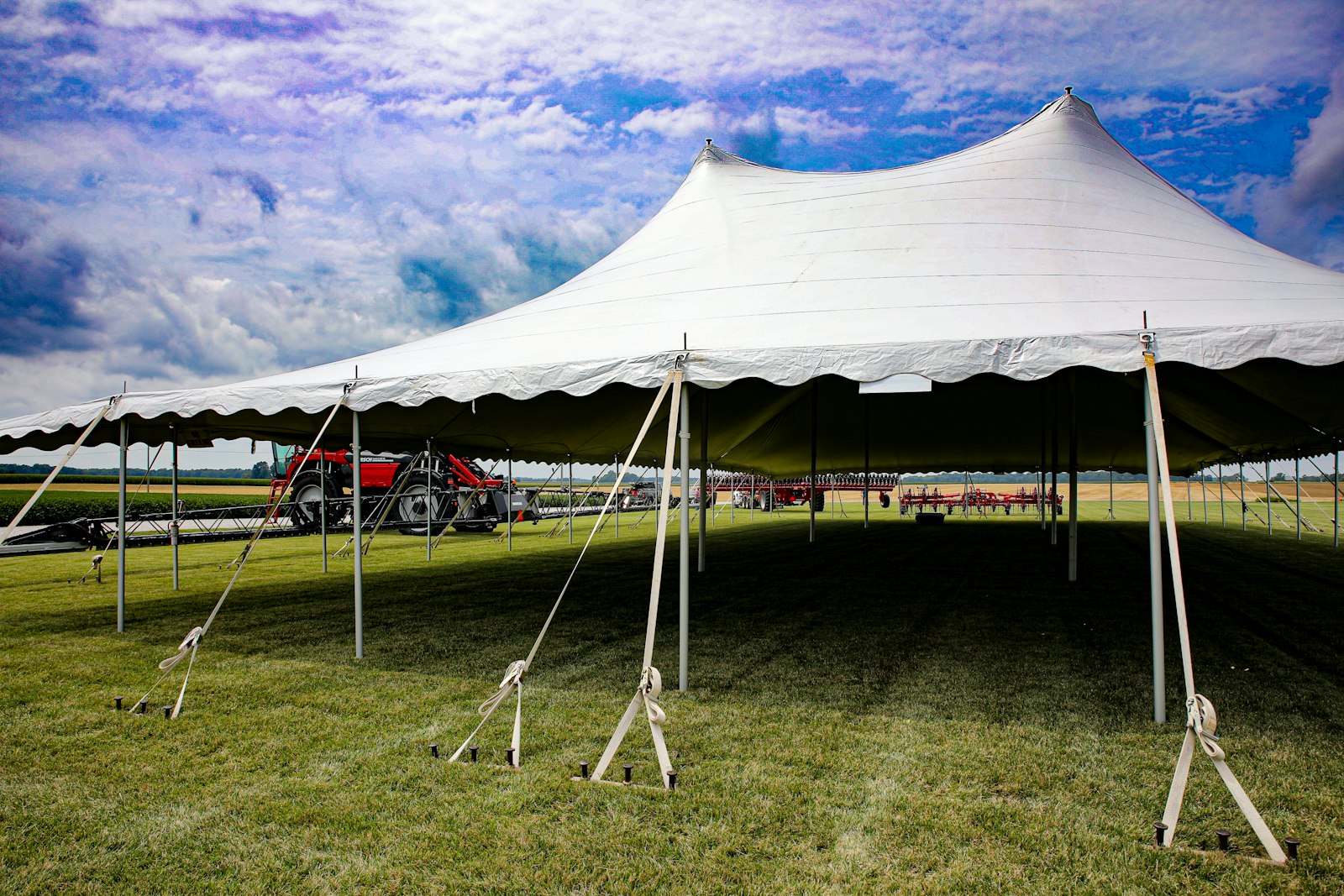
Owning dependable covered space, such as commercial-grade marquees and weatherproof structures that you can easily order online from a supplier like Gala Tent, is one of the few parts of weather risk that an organiser controls outright. A covered stage or hospitality zone can keep things running through conditions that might otherwise force a shutdown, and that changes the risk profile an underwriter will assess.
Organisers who can show a documented track record of managing bad conditions without claiming can build a better relationship with their insurer over time. Fewer claims across difficult seasons, even when the weather has been terrible, translates into more competitive renewals and fewer exclusions being bolted onto the next policy.
What a Wetter Autumn Means for 2027 Planning
October 2026’s rainfall figures and the back-to-back named storms will feed directly into how insurers model risk for the coming year. Operators planning outdoor events for late 2027 and beyond should expect weather resilience to carry far more weight at the quoting stage than it did even two years ago.
Climate data keeps pointing towards more variable and more intense weather patterns during the UK’s traditional event season, and insurance premiums now reflect that. For organisers, weather mitigation is more than an operational expense. It is a capital investment that pays for itself in two ways: by keeping the event running when conditions deteriorate, and by keeping the annual insurance bill from spiralling. Organisers who build that resilience into their sites and planning processes early will be in a much stronger position to handle whatever the next few seasons bring.