The Workplace (Health, Safety and Welfare) Regulations 1992 require employers to provide suitable rest facilities for pregnant workers and breastfeeding mothers. More than 30 years on, plenty of offices still meet that duty with a spare meeting room and a hopeful sign on the door.
That is a design problem as much as a policy one. What women need from a workplace changes over a career, from pregnancy and the return from maternity leave to the menopause. Most offices are planned around none of it.
If your business is taking on its first proper office, or refitting the one it has, this is the cheapest time to get it right. Rooms, walls and heating zones are far easier to plan than to change.
A spare meeting room is not a nursing room
The Health and Safety Executive’s guidance spells out what a suitable rest area looks like. It should be hygienic and private, with somewhere to lie down if needed and somewhere to store milk, such as a fridge. The guidance is also clear that toilets are not a suitable place to express.
A meeting room booked by the hour rarely passes that test. The blinds do not close, the door does not lock and someone needs the room for a call at half past. Each of those small frictions lands on a woman who is already fitting a feeding routine around a full workload.
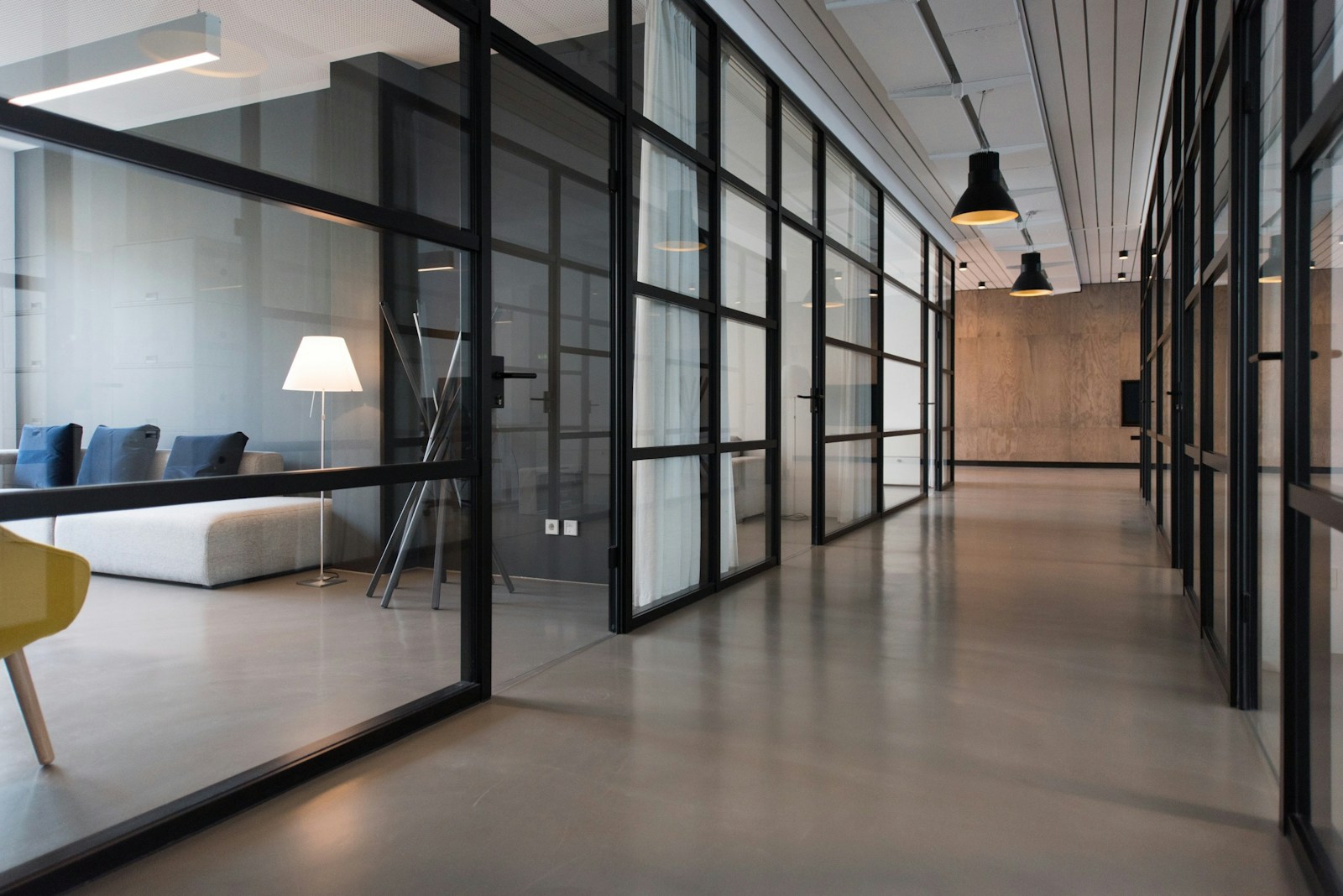
One office for a global software company in central London includes a nursing room for new parents, alongside a meditation room and therapy rooms.
A smaller business does not need three specialist rooms. It needs one small room with a lock, a chair you would want to sit in, a plug socket and a fridge nearby. Make it clear that whoever needs it to rest or feed comes first, whatever the booking system says.
Where the room sits matters too. A room off reception, in full view of everyone, puts people off using it. One at the end of a corridor near the kitchen, with a sink close by, is easier to slip into.
The thermostat was set for someone else
Office temperature is easy to dismiss as a matter of taste. Yet the metabolic rate used in a widely adopted thermal comfort model comes from an average 40-year-old man.
In 2015, two Dutch researchers measured the metabolic rate of 16 young women doing light office work, in a small study published in Nature Climate Change. They estimated that the model overestimated this group’s metabolic rate by 20% to 32%. The researchers argued that this leaves many offices set too cold for women.
The menopause then turns the problem on its head. Hot flushes do not follow the thermostat at all. The CIPD surveyed 2,185 working women aged 40 to 60 in 2023. Of those with menopause symptoms, two-thirds (67%) said the symptoms had a mostly negative effect on them at work. More than a quarter (27%) said the menopause had harmed their career progression.
No single temperature works for both groups, so the answer is choice. Zoned heating and cooling, windows that open and desk fans all help. So does a mix of warmer and cooler spots, letting people move to where they are at ease without having to ask. A calm room to sit in for ten minutes when symptoms flare up does more than any policy document.
Washrooms need privacy, whoever they are for
Washrooms rarely come up in conversations about inclusion, yet they shape how at ease people feel all day. A woman dealing with heavy periods, pregnancy sickness or a hot flush wants the same thing. She needs a door that locks and space to sort herself out.
UK law requires separate toilets for men and women, unless each toilet is in its own room with a door that locks from the inside. That exception is why some new offices use self-contained toilet rooms, each with its own basin, often described as gender-neutral.
It is a choice that divides opinion, and many workplaces keep separate women’s toilets as well. Whichever route you take, aim for fully enclosed cubicles with floor-to-ceiling walls. Add a sanitary bin in each one and a basin within reach. That gives everyone more privacy than a row of half-height doors.
Flexibility belongs in the design brief
Flexibility usually gets filed under HR policy. But 51.8% of the 1,000 UK employees surveyed for Oktra’s Inclusive Workplace Design Report ranked flexibility among the top three features of an inclusive workspace.
For many women, that flexibility is about childcare. Some office designers now suggest a crèche for larger workplaces, so parents do not have to arrange childcare for office days. Few small businesses can run one, but the same thinking scales down.
Lockers mean nobody carries a changing bag to every meeting. A small room for private phone calls covers the GP, the nursery and the school. Touchdown desks near the entrance suit someone who is in for three hours between drop-off and pick-up. None of these costs much when it is in the plan from the start.
Ask the women who will use it
The simplest step costs nothing at all. The same report found that 47% of employees are rarely or never asked about their workplace needs. Nearly one in four regularly experiences barriers to getting work done.
Asking well takes a little care. A short anonymous survey picks up what people will not say in a meeting. Walking the floor at different times of day shows where it runs hot, cold or loud.
“The variety of spaces was designed to give every employee a sense of choice and ownership,” says Laura Koriakinaite, a design director at office design and build company Oktra, of the software company’s office. “It is all about inclusion, supporting different personalities, work styles and tasks across the day.”
So before the floor plan is signed off, ask the women who will work there. Ask the colleague coming back from maternity leave in the spring. Ask the one in her fifties who has been opening the window all winter, and the graduate who joined last month. Their answers belong in the plan before the walls go up.
An office should support the people who spend their working lives there, not just fill a floor plan. Read our guide to creating a comfortable workplace for UK employees and our practical guide to whether your small business needs a menopause policy. If you are still putting the foundations in place, our guide to setting up a business today covers the basics.