Starting a business in the UK in 2026 means balancing ambition with a tight budget. Whether you are registering as a sole trader or setting up a limited company, the first months are rarely cheap. Workspace, technology, and transport are three areas where costs can spiral before you have made your first sale. The good news is that each one also offers straightforward ways to cut spending without cutting corners. Here are three practical startup money-saving tips, backed by current funding schemes and tax rules.
Three startup money-saving tips for your first year
Workspace: set up without the premium price
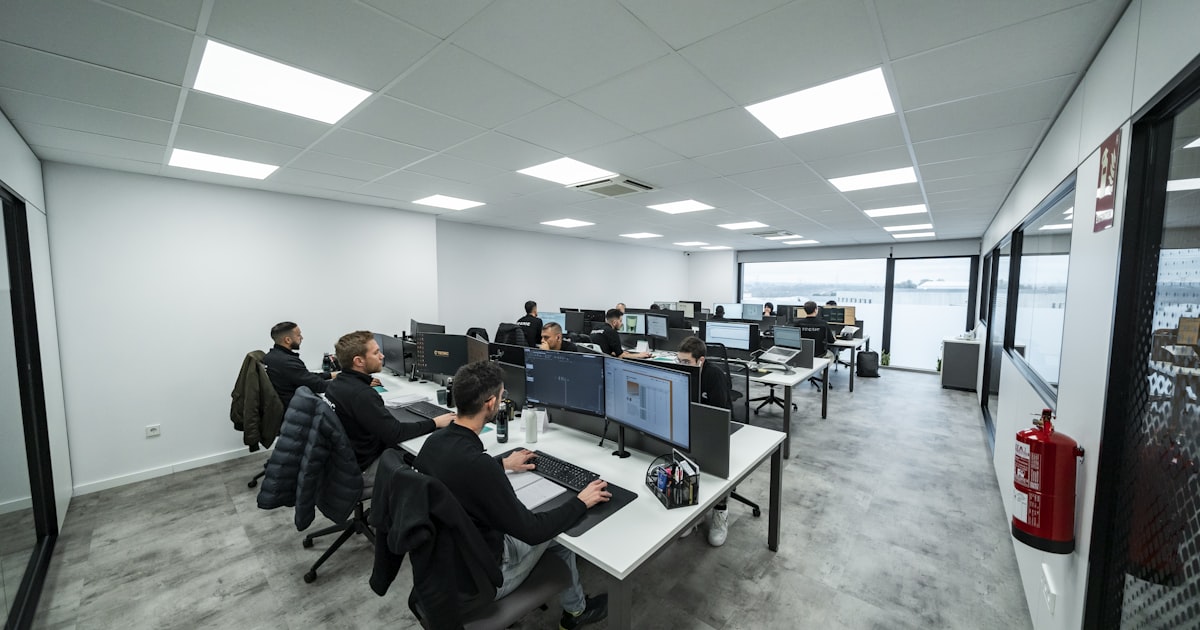
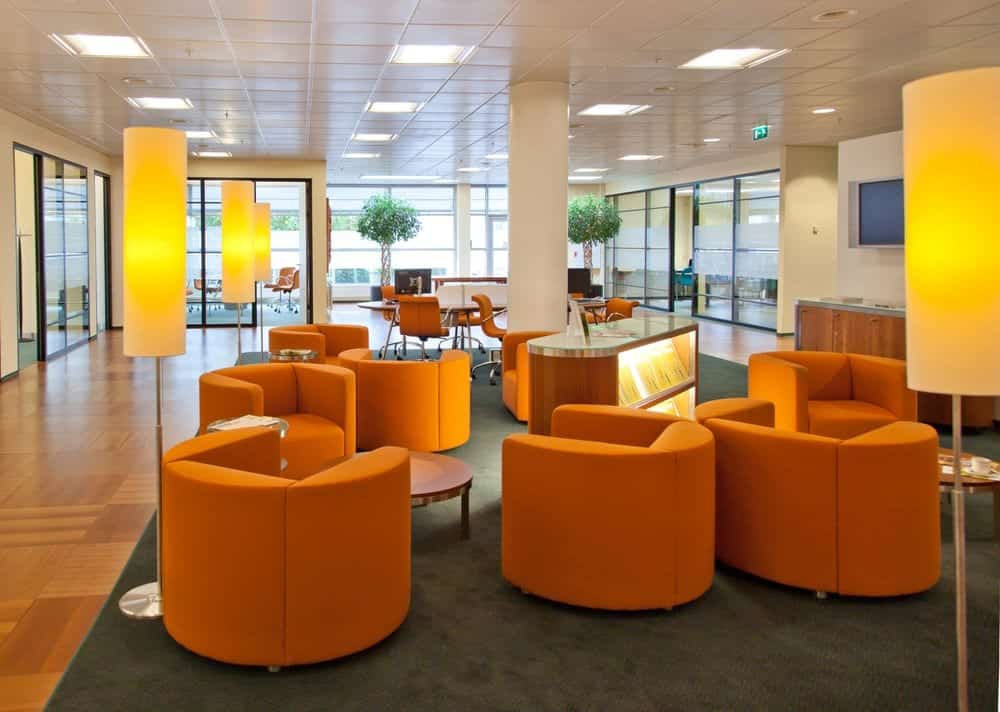
A professional workspace matters, but a brand-new office fit-out is not a requirement for a credible business. Second-hand furniture marketplaces, local business networks, and office-clearance auctions are reliable sources of desks, chairs, and storage at a fraction of retail cost. Many businesses upgrading their offices sell barely-used items through platforms such as Gumtree, eBay, and Facebook Marketplace, or through local business forums.
If you work from home, you can claim a proportion of household costs through HMRC. For the 2024-25 tax year, HMRC’s simplified flat-rate method allows up to £6 per week without keeping receipts, or you can claim a share of actual heating, lighting, and broadband costs based on the rooms and hours you use for business. For women founders launching from a kitchen table or spare room, this is often the most practical first office. See our guide to Home Working Expenses Self Employed Can Claim Through HMRC for the full list.
Technology: buy refurbished and claim relief
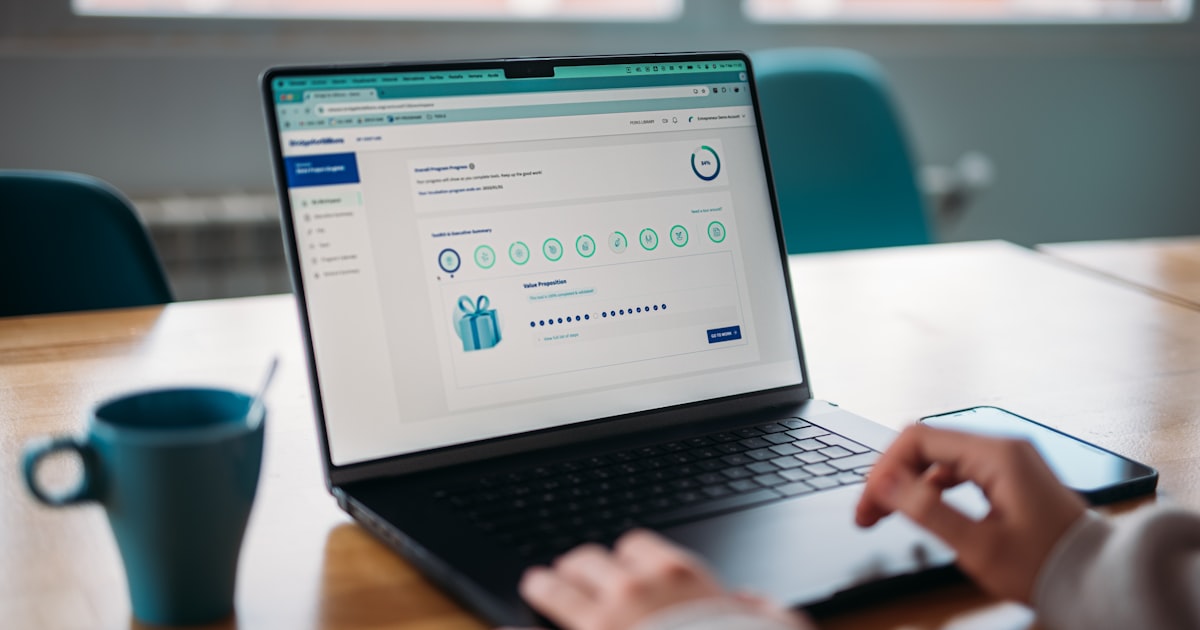
Most UK startups need little more than a reliable laptop, internet connection, and cloud-based software to reach customers. Refurbished business-grade laptops and desktops often outlast consumer models bought new, and they typically cost significantly less. Look for certified refurbished stock from manufacturers or reputable UK resellers with a minimum 12-month warranty.
You can also reduce the net cost through HMRC’s Annual Investment Allowance, which for the 2024-25 tax year lets businesses deduct 100% of qualifying plant and machinery expenditure up to £1 million per year from taxable profits. Laptops, servers, printers, and office furniture all qualify. Keeping this spend lean matters for any bootstrapped founder, and particularly for women-led businesses that may start with limited external funding. If you are a sole trader, many of these items count as allowable expenses. Our Allowable Expenses Self Employed UK guide explains what you can and cannot claim.
Transport: keep mileage and maintenance records
For businesses that depend on a vehicle, the choice between a company car and personal use affects both tax and cash flow. If you use your own car for business travel, HMRC allows you to claim 45p per mile for the first 10,000 business miles in a tax year, and 25p per mile thereafter. These approved mileage allowance payment rates have applied since 2011-12. This covers fuel, servicing, insurance, and depreciation. Keep a mileage log with dates, destinations, and purpose for every business journey.
Regular maintenance also protects your budget. Under-inflated tyres, dirty air filters, and worn spark plugs can increase fuel consumption noticeably. If you run a service-based business and travel to clients, these miles are a real cost that HMRC recognises. If a new vehicle is essential, consider the tax advantages of electric or low-emission company cars, though for most early-stage startups a well-maintained used vehicle and accurate mileage claims are the more practical money-saving route.
Funding and tax rules that stretch your startup budget
Beyond trimming day-to-day costs, several UK schemes can reduce the amount of personal capital you need. The British Business Bank’s Start Up Loans programme offers unsecured loans of up to £25,000 per business partner or director at a fixed 6% interest rate, with no arrangement fees and free mentoring for successful applicants. As of 2025-26, the programme remains one of the most accessible forms of early-stage funding for women founders who may face a tougher path through traditional bank lending or venture capital. See our Start Up Loans Female Founders guide for details.
Local enterprise partnerships, councils, and growth hubs also publish grant competitions aimed at new businesses in their area. These vary by region, so checking your local growth hub’s website is worth the time. If you are self-employed, Making Tax Digital for Income Tax Self Assessment begins from April 2026 for those with turnover above £50,000. Using compliant software from the start avoids last-minute costs and penalties. Our Making Tax Digital Sole Trader: 2026 Checklist for Women sets out the deadlines and software options.
Action steps
- Audit your first-year costs and identify which items you can buy second-hand or refurbished.
- Set up a mileage log and home-working expense record before you spend anything.
- Check whether you qualify for a British Business Bank Start Up Loan or local business grant.
- Choose MTD-compatible accounting software now if your turnover is near £50,000.
These startup money-saving tips are not about doing without. They are about directing limited cash toward what actually grows the business: finding customers, developing your product or service, and building your own capacity to deliver.