Women entrepreneurs in the UK are asking themselves whether they are good enough, how they will fit everything in, and what happens if they fail. These questions are not a sign that you are in the wrong place; they are part of building something of your own.
According to ONS data summarised on our Women in Business: Key UK Facts page, around 1.6 million women are self-employed across the UK. That number represents a huge pool of ambition, but it also hides a quieter story: many women founders are managing self-doubt alongside cash flow, tax deadlines, and customer demands. This article looks at three doubts that almost every woman entrepreneur in the UK encounters, with current data and practical steps to help you answer them.
What women entrepreneurs in the UK are asking themselves
Am I good enough?
“Am I good enough?” is the question that keeps many women founders awake at night. It often shows up as imposter syndrome, the feeling that your success is down to luck and that you will soon be found out. A 2024 Simply Business survey found that 82% of UK small business owners experienced poor mental health, with stress, anxiety, and self-doubt among the most common triggers.
External evidence can make the internal voice louder. The British Business Bank has reported that women-led businesses contribute around £105 billion to the UK economy, yet women founders still receive a tiny share of equity investment. Beauhurst data from 2024 shows that all-female founder teams received just 1.6% of UK equity investment, while mixed-gender teams received 11.4%. When funding, networks, and media coverage skew away from women founders, it is easy to assume the problem is your capability rather than the system.
The Alison Rose Review of Female Entrepreneurship 2023 estimated that if women started businesses at the same rate as men, it could add £250 billion to the UK economy. The gap is not a talent shortage; it is an opportunity shortage.
Practical steps:
- Launch before you feel ready. A minimum viable product lets you test demand with real customers rather than perfecting something nobody wants.
- Track evidence of competence. Keep a record of positive feedback, sales, and completed projects to counter the voice that says you are not qualified.
- Connect with other women founders. The British Business Bank, local enterprise partnerships, and women-led networks run programmes specifically for women entrepreneurs.
How do I fit everything into my day?
Time management is not just a productivity issue for women entrepreneurs; it is a structural one. Many women founders are also primary caregivers, manage household responsibilities, or juggle a business alongside employment. ONS data shows that self-employed women over 50 are one of the fastest-growing groups in the UK workforce, often starting businesses for flexibility after decades of employment.
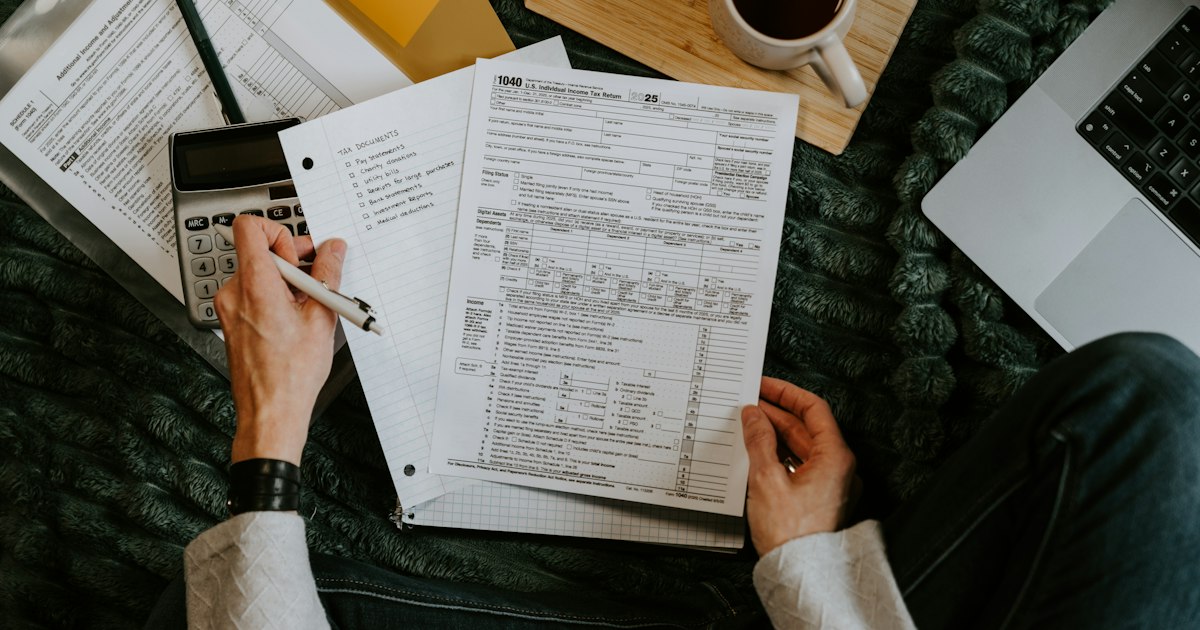
From April 2026, HMRC’s Making Tax Digital for Income Tax Self Assessment will require self-employed people and landlords with turnover above £50,000 to keep digital records and submit quarterly updates. Getting your systems in place now, rather than scrambling later, is one way to reclaim time.
Practical steps:
- Audit your week. Track where your hours actually go for seven days, then cut or delegate low-value tasks.
- Use automation for repetitive work. Invoicing, appointment booking, and social media scheduling can all run without you.
- Outsource before you can afford a permanent hire. Freelance platforms can handle one-off projects, while a virtual assistant can take on ongoing admin.
- Set non-negotiable boundaries. Block time for family, exercise, and rest in your calendar as if they were client meetings.
What if I fail?
Fear of failure is rational. ONS data from 2024 shows that around one in five UK businesses do not survive their first year, and more than half close within five years. But failure is not the opposite of success; it is part of the process. The question is not whether you will stumble, but whether you have built a business that can absorb a stumble.
A solid business plan is your best defence. It forces you to map revenue, costs, cash flow, and contingencies before you commit. If you are not sure where to start, our step-by-step guide to writing a business plan covers the UK essentials.
Funding can also reduce the pressure to get everything right immediately. The government-backed Start Up Loans scheme offers personal loans of up to £25,000 for new businesses, with free mentoring included. You can read more in our Start Up Loans guide for women founders.
Practical steps:
- Run small experiments. Test one marketing channel or product feature at a time so a failure is cheap and informative.
- Separate ego from outcome. A failed launch is data, not a verdict on your worth.
- Build a financial buffer. Aim for at least three months of operating costs in reserve before you go all-in.
- Know when to pivot and when to stop. Not every idea deserves more time; a planned exit is better than a chaotic one.
Turn your doubts into practical action
Self-doubt is part of entrepreneurship, but it does not have to drive your decisions. Start with one action this week: book a call with a mentor, set up your digital tax records, or write the first page of your business plan. For a broader picture of where women entrepreneurs in the UK stand, see our Women in Business: Key UK Facts page.
Women entrepreneurs in the UK do not succeed because they never doubt themselves. They succeed because they question the doubt, gather the facts, and keep moving.