The UK is legally committed to reaching net-zero greenhouse gas emissions by 2050; the Climate Change Act 2008, amended in 2019, makes this target binding, and the government has set an interim goal to cut emissions by 78% by 2035 compared with 1990 levels, following the Climate Change Committee’s sixth carbon budget, published in 2020 and adopted in 2021, so for women running businesses in the UK, the need to make your business greener is no longer a distant policy ambition, with risks to your business emerging across supply chains, energy bills, investor expectations, and customer decisions.
According to the Climate Change Committee’s 2023 progress report, the UK is not on track to meet its future carbon budgets without additional policies. Yet the same pressure creates opportunity. Businesses that cut emissions early can reduce costs, win public-sector contracts, and attract customers who prioritise sustainability. SMEs make up 99.9% of the UK business population, according to the Department for Business and Trade’s 2024 Business Population Estimates, so the choices made by smaller businesses matter enormously.
What net zero means for your business
Net zero means balancing the greenhouse gases your business releases with the amount removed from the atmosphere. You achieve it by cutting emissions as far as possible, then offsetting any remaining emissions through verified carbon-reduction or removal projects.
For a UK business, emissions usually fall into three categories:
- Scope 1: Direct emissions from owned or controlled sources, such as company vehicles and on-site fuel use.
- Scope 2: Indirect emissions from purchased electricity, heat, and steam.
- Scope 3: All other indirect emissions, including supply chain, business travel, and product use.
Most small businesses find Scope 3 the hardest to measure, but it is often the largest source of emissions. Start with Scope 1 and 2, then expand.
Why women-led businesses should act now
Sustainability is becoming a commercial requirement. The UK government requires large companies to report climate-related financial disclosures under Streamlined Energy and Carbon Reporting, introduced in 2019. While smaller businesses are exempt, they increasingly sit in the supply chains of larger firms that must report. If you cannot show your own carbon footprint, you risk losing contracts.
Investors and lenders are also paying closer attention. The British Business Bank and mainstream lenders now offer green finance products, and some funds specifically back women-led businesses with environmental goals. Acting early puts you in a stronger position to access this capital and build credibility with customers.
Many women founders describe their businesses as values-led, and a clear net-zero plan can turn that commitment into a measurable competitive advantage. It also signals to employees, partners, and buyers that your business is planning for the long term.
Five steps to becoming a net-zero business in the UK
1. Measure your baseline
You cannot manage what you do not measure. Use a free carbon calculator designed for SMEs, such as the SME Climate Hub’s Business Carbon Calculator or the Carbon Trust’s tools. Collect 12 months of data on energy use, fuel, travel, and waste. This baseline becomes your reference point.
2. Cut energy waste
Energy efficiency is usually the fastest way to cut costs and emissions. Simple changes include LED lighting, smart thermostats, better insulation, and equipment upgrades. The Energy Savings Opportunity Scheme applies to large undertakings, but smaller businesses can follow its principles by reviewing energy use every four years.
3. Switch to renewable energy and electric transport
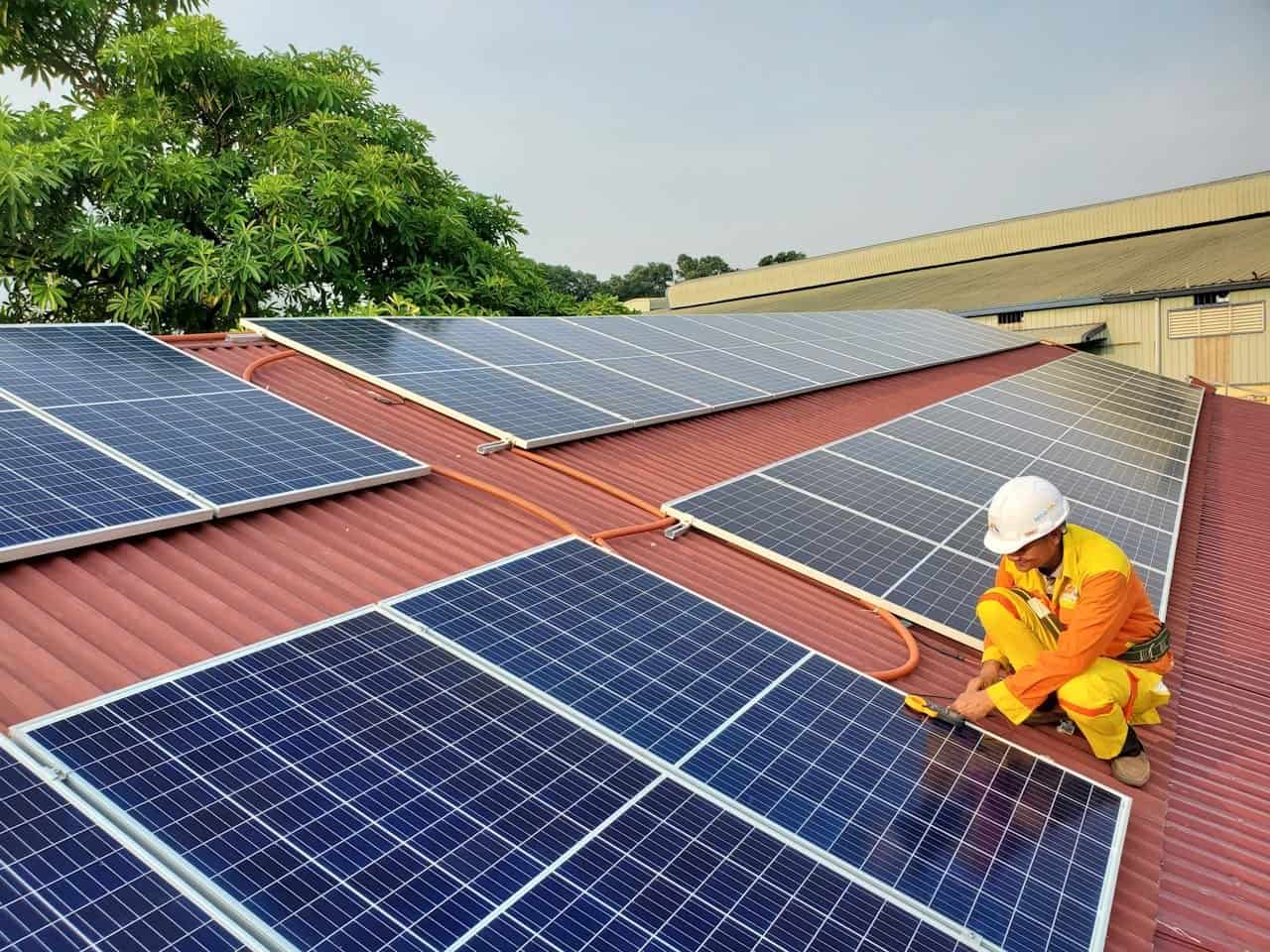
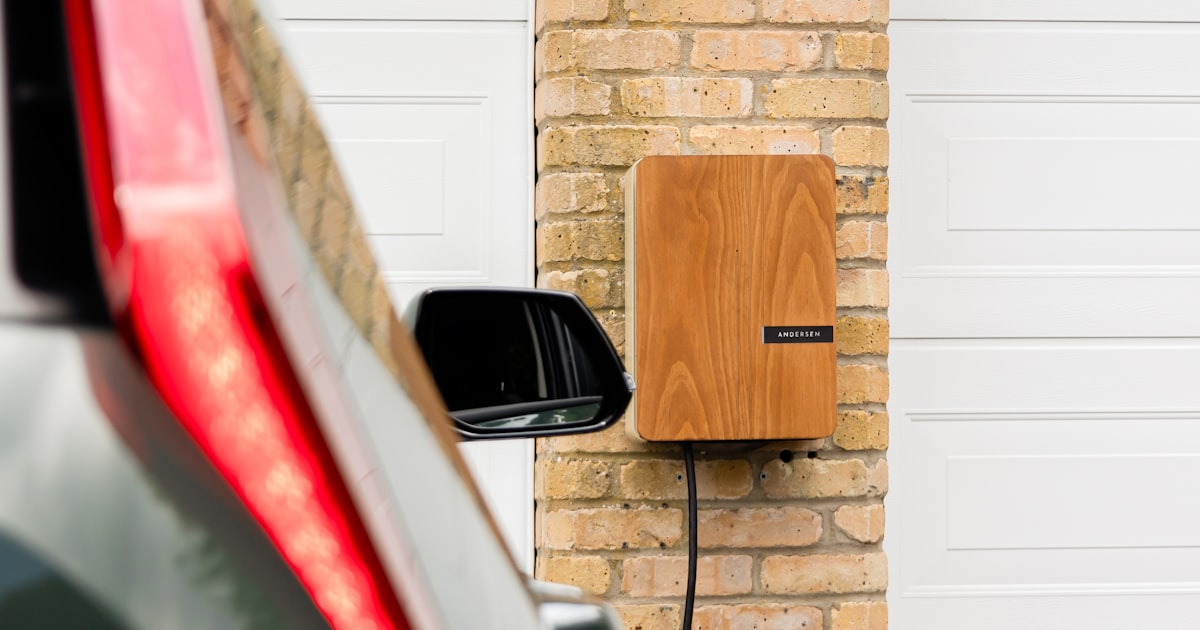
Choose a green electricity tariff backed by Renewable Energy Guarantees of Origin certificates, or install solar panels if you own your premises. For transport, consider electric vehicles and workplace charging infrastructure. The UK government confirmed in 2023 that the sale of new petrol, diesel and hybrid cars will end in 2035, giving businesses a clear deadline for fleet planning.
4. Rethink your supply chain
Ask suppliers about their emissions and net-zero plans. Prefer local suppliers where possible to cut transport emissions, and build sustainability criteria into procurement decisions. This is particularly important for Scope 3 emissions, which often account for the majority of a small business’s carbon footprint.
5. Offset responsibly
After reducing emissions as much as possible, purchase verified carbon offsets for the remainder. Look for schemes accredited by standards such as the Gold Standard or Verified Carbon Standard. Offsetting should be the final step, not a substitute for reduction. You might also consider B Corp certification as a way to verify your wider environmental and social performance.
Funding and support for UK businesses
Several UK organisations offer support for businesses moving to net zero:
- The British Business Bank provides information on green finance and funding options for smaller businesses.
- Innovate UK runs competitions for clean-growth innovation and low-carbon technologies.
- The SME Climate Hub offers free tools and resources to help small businesses commit to net zero.
- Local Growth Hubs may offer regional grants and advice for energy efficiency.
You can also explore business grants for women in the UK and green finance products from high-street banks.
Practical action steps for women-led businesses
- Calculate your current carbon footprint using a free SME tool.
- Set a net-zero target date, ideally 2050 or earlier, and publish it.
- Identify the three highest-emission areas in your business and create a reduction plan.
- Review suppliers and add carbon criteria to your procurement process.
- Check available green finance and grants for women-led businesses.
Becoming a net-zero business in the UK is a journey, not a single action. Start with measurement, focus on quick wins, and build momentum. The businesses that act now will be better placed to comply with future regulation, reduce costs, and meet the expectations of customers, investors, and employees.