Writing your ebook was only the first step. To turn it into income, you need a clear plan to market your ebook in a crowded UK digital market. Self-publishing platforms have made it easier than ever to launch, which means standing out requires more than a good cover and a single social media post.
Whether you are a coach, consultant, creative, or founder packaging your expertise into a digital product, these six tactics will help you build an audience, protect your revenue, and sell more copies.
Why ebook marketing matters for UK women in business
The UK has a thriving community of women-led microbusinesses, many of whom use digital products such as ebooks to add revenue streams without taking on staff or stock. Self-employment among women continues to grow, with many over 50 starting businesses for flexibility and income, as explored in our guide to self-employed women over fifty. An ebook can be a low-cost, scalable product, but only if readers can find it.
Your marketing job is to bridge the gap between “published” and “purchased.” That means choosing the right channels, building trust before launch, and making sure the money side is handled correctly from day one.
Six clever ways to market your ebook
1. Build anticipation on the right social platforms
Do not try to be everywhere. Pick one or two platforms where your ideal reader already spends time. For professional and business ebooks, LinkedIn and X (formerly Twitter) often work best. For lifestyle, wellbeing, parenting, or creative non-fiction, Instagram, Pinterest, and TikTok are stronger choices.
Start sharing before the book is finished. Post excerpts, behind-the-scenes insights, polls about the cover, and questions that shaped your research. This builds a warm audience so that when you launch, you are not speaking into a void.
2. Use BookTok and short-form video
BookTok has become one of the most powerful forces in book discovery. Short videos about your writing process, the problem your ebook solves, or a dramatic reading of an opening paragraph can drive sales faster than static posts. You do not need professional equipment; a smartphone and consistent posting are enough.
Repurpose each video across Instagram Reels and YouTube Shorts to maximise reach without extra filming.
3. Collect advance reviews ethically
Reviews are social proof, but fake reviews can damage your reputation and get your account removed from platforms such as Amazon. Instead, build a launch team of 20 to 50 people from your network, email list, or relevant online communities. Send them a free advance copy in exchange for honest feedback.
Display the best quotes on your sales page, social media, and email footer. Honest reviews from real readers convert better than polished but empty praise.
4. Build an email list before launch
Social platforms can change their algorithms overnight. Your email list is the only audience you truly own. Offer a free chapter, a checklist, or a short companion guide in exchange for an email address. Tools such as MailerLite, ConvertKit, or Beehiiv make this straightforward even if you are not technical.
Segment your list so that people who downloaded the freebie receive a targeted launch sequence when the ebook goes live.
5. Time your launch and pricing strategically
Set a publication date at least four to six weeks after your ebook goes live on sales platforms. This buffer lets you test downloads, fix formatting issues, and coordinate your marketing push. It also gives advance reviewers time to post their thoughts before your official launch.
Consider a tiered launch offer: a free or 99p price for the first 48 hours to generate volume and reviews, followed by your full price. A strong initial sales spike can improve your ranking on Amazon and other marketplaces, which then drives organic discovery.
6. Protect your income with the right tax setup
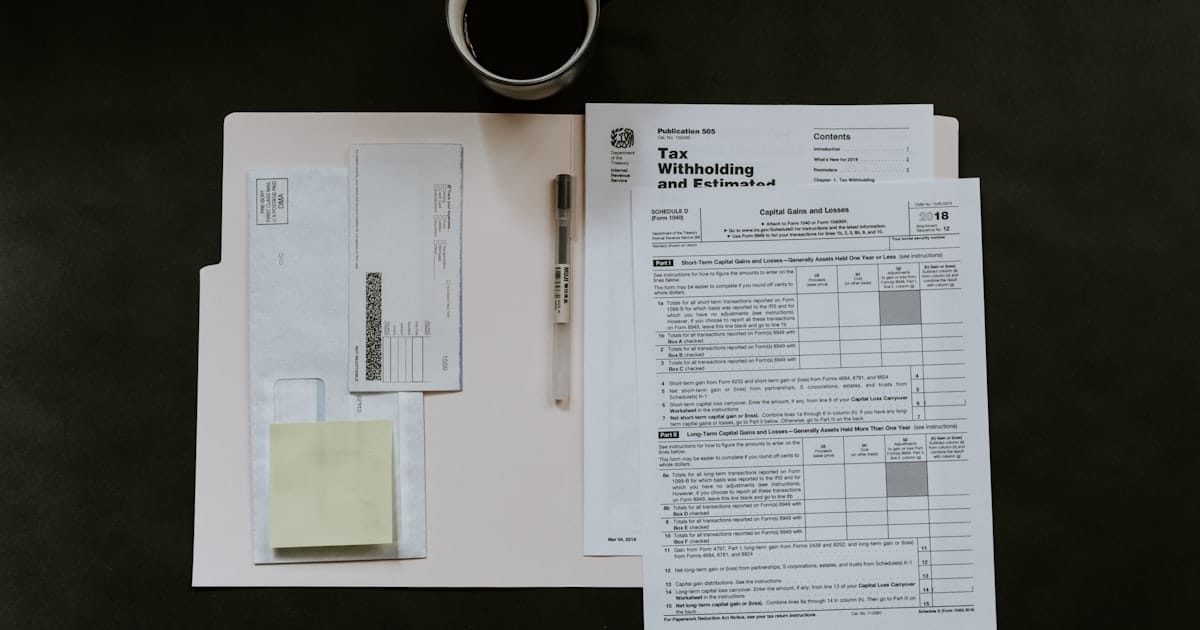
Ebook income is taxable, even if you only sell a handful of copies. If your total self-employed income exceeds the £1,000 trading allowance in a tax year, you must register for Self Assessment with HMRC. From April 2026, Making Tax Digital for Income Tax Self Assessment applies to sole traders and landlords with qualifying income above £50,000, according to HMRC, with quarterly digital reporting required. The threshold drops to £30,000 from April 2027.
If your VAT-taxable turnover exceeds £90,000 in any 12-month period, you must register for VAT, per HMRC rules introduced in April 2024. Digital products such as ebooks are subject to VAT at the standard rate, though the place of supply rules depend on where your customer is located. Keep accurate records of all sales, fees, and advertising costs from the start.
What to watch on the HMRC side
Many first-time ebook authors underestimate the admin. Open a separate business bank account, track every expense, and set aside roughly 25% to 30% of your ebook profit for tax and National Insurance. Our Self Employed Tax UK: A Complete Guide for 2026/27 explains the current rates, and our Making Tax Digital Sole Trader: 2026 Checklist for Women covers the new quarterly reporting rules.
If you are unsure whether to operate as a sole trader or limited company, read our comparison of sole trader vs limited company UK structures. You should also consider copyright. Your ebook is protected automatically under UK law, but you can register it with the Intellectual Property Office for stronger evidence of ownership if disputes arise.
Your next steps to market your ebook
- Choose your primary platform and post three times a week in the run-up to launch.
- Recruit 20 advance readers and ask for honest reviews.
- Create a free lead magnet and start building your email list.
- Set a publication date four to six weeks after your ebook goes live.
- Register for Self Assessment if your self-employed income exceeds £1,000.
- Check whether Making Tax Digital or VAT registration applies to you.
Final thoughts on how to market your ebook
To market your ebook successfully in 2026, you need a mix of visibility, trust, and financial discipline. Pick the platforms your readers use, build an email list you control, launch with a clear pricing strategy, and keep HMRC happy from the first sale. The authors who treat their ebook as a business, not just a finished manuscript, are the ones who keep selling long after launch day.