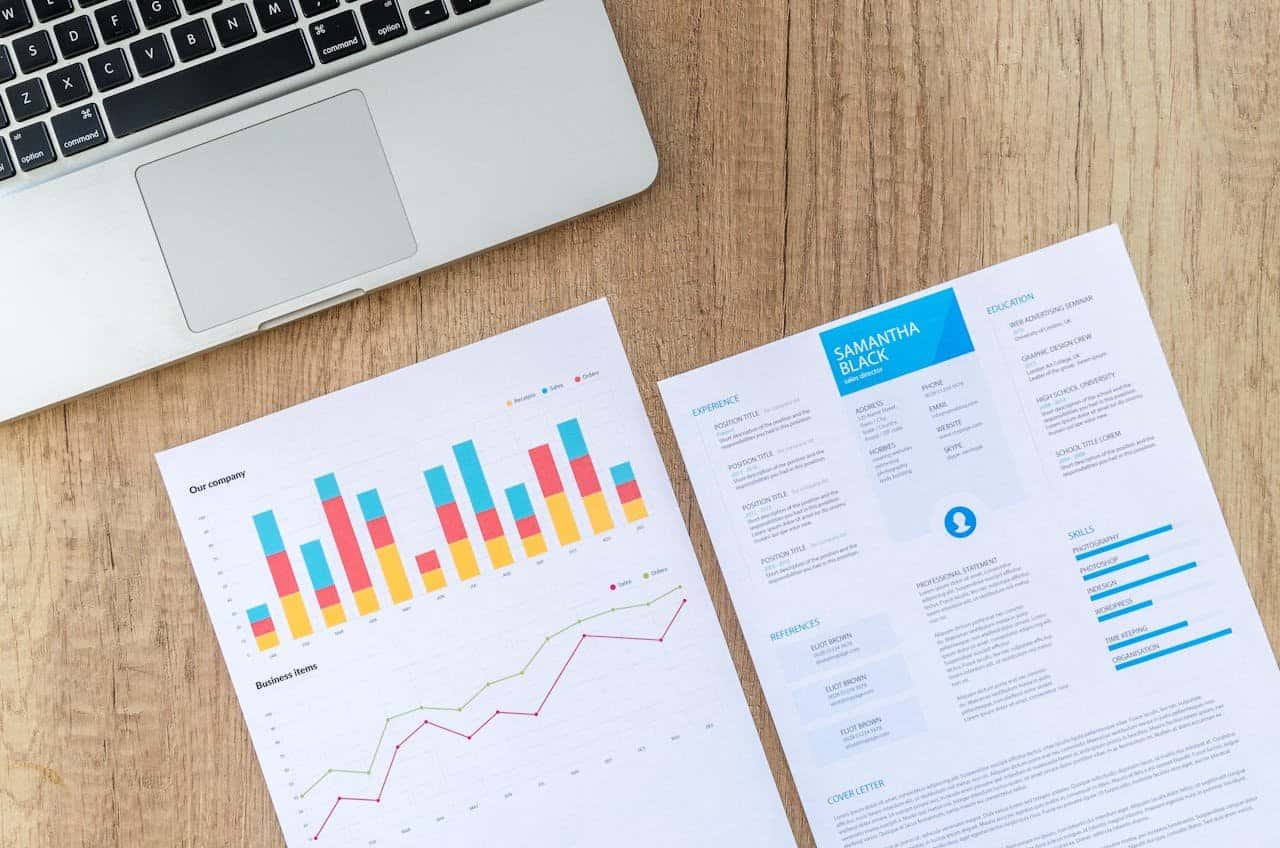
Spreadsheet tools remain one of the most practical assets for women running businesses in the UK. Whether you are a sole trader forecasting cash flow or a limited company director preparing board reports, a well-built spreadsheet can turn raw numbers into decisions. This article explains how to use spreadsheet tools for business planning in 2026, from budgeting and forecasting to payroll and HMRC compliance.
Why spreadsheet tools for business planning still matter in 2026
Despite the growth of cloud accounting software, spreadsheets remain central to small business finance. They are low-cost, flexible and familiar. For women founders managing tight budgets, they also avoid the subscription fees that come with many accounting platforms.
The Prowess State of Women’s Enterprise 2025 report found that more women are starting businesses, but fewer are scaling them. Strong financial planning is one way to close that growth gap. Understanding how to organise income, costs and tax reserves in a spreadsheet gives you a clear picture of whether your business can afford to hire, invest or expand. You can find the latest figures on our Women in Business: Key UK Facts page.
Budgeting and cash flow forecasting
A budget tells you where money should go; a cash flow forecast tells you whether it will arrive on time. Spreadsheets let you build both in one workbook. Start with a simple structure: monthly income, fixed costs, variable costs and a closing balance.
Use formulas to link cells so that changes to sales assumptions automatically update your tax reserve and drawings. For example, if you set aside 25% of profit for tax, a single formula can calculate that reserve across every month. This is particularly useful for sole traders who need to plan for Self Assessment payments on account.
Women-led businesses often juggle personal and business finances, especially in the early years. Keeping a separate cash flow tab for tax, personal drawings and emergency reserves helps you avoid dipping into money that is already committed.
Making Tax Digital and HMRC compliance
From April 2026, Making Tax Digital for Income Tax Self Assessment becomes mandatory for sole traders and landlords with qualifying income above £50,000, HMRC has confirmed. From April 2027, the threshold drops to £30,000. HMRC requires digital record keeping and quarterly updates submitted through MTD-compatible software.
Spreadsheets can still play a role, but only if they connect to HMRC through bridging software. A spreadsheet alone will not meet the MTD rules. If your turnover is above the threshold, review your setup before the deadline. Our Making Tax Digital Sole Trader: 2026 Checklist for Women sets out the steps.
Women make up a large and growing share of UK sole traders, so the 2026 deadline affects many Prowess readers directly. Checking your record-keeping system now gives you time to choose software or bridging tools that fit your workflow.
Tax, payroll and wage calculations
If you employ people, spreadsheets help you model wage costs before you run payroll. From April 2026, the National Living Wage for workers aged 21 and over rises to £12.81 per hour, according to the Low Pay Commission’s autumn 2025 recommendation. You must also account for employer National Insurance contributions, pension auto-enrolment and statutory payments.
The VAT registration threshold remains at £85,000 for 2026/27, frozen by HMRC. If your taxable turnover is approaching this figure, a spreadsheet can help you model when you will need to register and how adding VAT to your prices will affect cash flow. Once registered, you must also keep digital VAT records compatible with MTD for VAT.
For limited companies, keep corporation tax in view. The main rate is 25% on profits above £250,000, with a small profits rate of 19% on profits up to £50,000 and marginal relief between the two, as set out in HMRC guidance for the 2026/27 tax year. Build a tax model that shows your expected liability each quarter so you are not caught short when payments are due. For more on director pay, see our guide on How to Pay Yourself as a Limited Company Director in 2026.
Scenario planning and forecasting
Forecasting is not about predicting the future perfectly; it is about preparing for different versions of it. Use spreadsheets to create best-case, expected-case and worst-case scenarios. Change key variables such as unit price, customer numbers or supplier costs and watch how your profit and cash position respond.
This approach is especially valuable when you are seeking funding. Investors and lenders want to see that you have stress-tested your plans. A clear forecast built in a spreadsheet shows you understand your business drivers. Women founders can use this to demonstrate readiness for growth and to negotiate finance on stronger terms.
Common spreadsheet mistakes to avoid
Even a well-intentioned spreadsheet can mislead if it is poorly structured. Watch out for these errors:
- Hard-coding numbers: Use formulas instead of typing values directly into summary cells. This reduces errors and makes updates easier.
- Mixing data and calculations: Keep raw data, calculations and outputs on separate tabs.
- Ignoring version control: Save files with dates and use cloud storage so you can track changes.
- Forgetting backups: Store copies separately from your main device.
- Overcomplicating the workbook: A simple, accurate model is better than a complex one nobody understands.
Action steps to strengthen your business planning
- Audit your current spreadsheets and check whether they meet your 2026 business needs.
- If your turnover is above £50,000, confirm your spreadsheet connects to MTD-compatible software or switch to qualifying cloud accounting.
- Build a 12-month cash flow forecast with linked formulas and scenario tabs.
- Update your payroll model with the April 2026 National Living Wage rate of £12.81 and current employer contribution percentages.
- Back up your files and document your assumptions so your accountant or adviser can follow your logic.
Spreadsheet tools for business planning are not a replacement for professional advice, but they are a powerful starting point. Used well, they help you budget accurately, forecast realistically and stay compliant with HMRC. For women running UK businesses, that combination of control and clarity is invaluable.