Automated processes are now a practical necessity for UK women running businesses, not a luxury reserved for large firms. Whether you are starting a business from the ground up as a sole trader, serving as a limited company director, or scaling a women-led venture, automation can cut admin time, reduce costly errors, and help you stay on the right side of changing HMRC rules, much like the penetration testing UK small business owners need to keep their data secure. In 2026, with Making Tax Digital expanding and the National Living Wage rising to £12.21 an hour from April 2026 (HM Treasury, 2025), the case for automation is stronger than ever.
This article explains how automated processes can elevate your business success, with specific UK figures, compliance deadlines, and tools you can start using now.
Why Automation Matters for Women-Led Businesses Now
Women-led businesses make a significant contribution to the UK economy, yet they often operate with tighter margins and less external funding than male-led firms. The Alison Rose Review of Female Entrepreneurship (HM Treasury, 2019) has repeatedly highlighted that if women started businesses at the same rate as men, the UK economy could gain up to £250 billion. Automation is one of the most accessible ways to close part of that gap, because it lowers the cost of scaling without requiring a large team or outside investment.
At the same time, HMRC is pushing more businesses towards digital record-keeping. From April 2026, self-employed people and landlords with annual business or property income over £50,000 must follow Making Tax Digital for Income Tax Self Assessment rules (HMRC, 2025). That means keeping digital records and sending quarterly updates using MTD-compatible software. If your income is between £30,000 and £50,000, the rules take effect from April 2027 (HMRC, 2025). Automation is the simplest way to meet these requirements without adding hours to your working week.
Streamlined Operations Free Up Your Time
Repetitive tasks such as invoicing, expense tracking, appointment scheduling, and payroll eat into the time you could spend on revenue-generating work. Automated processes handle these jobs in the background, so you and any staff can focus on higher-value activities such as business development, customer relationships, and product improvement.
For example, cloud accounting software can automatically import bank transactions, categorise expenses, and chase late invoices. Payroll software can calculate tax, National Insurance, and pension contributions, then file Real Time Information submissions to HMRC automatically. If you are still running payroll manually, switching to an automated system is one of the fastest ways to reclaim working hours each month.
Making Tax Digital Becomes Manageable
HMRC’s Making Tax Digital programme is one of the strongest practical reasons for UK business owners to adopt automated processes. Under MTD for Income Tax Self Assessment, eligible self-employed people and landlords must use compatible software to keep digital records and submit quarterly updates. Spreadsheets and paper records will no longer be enough.
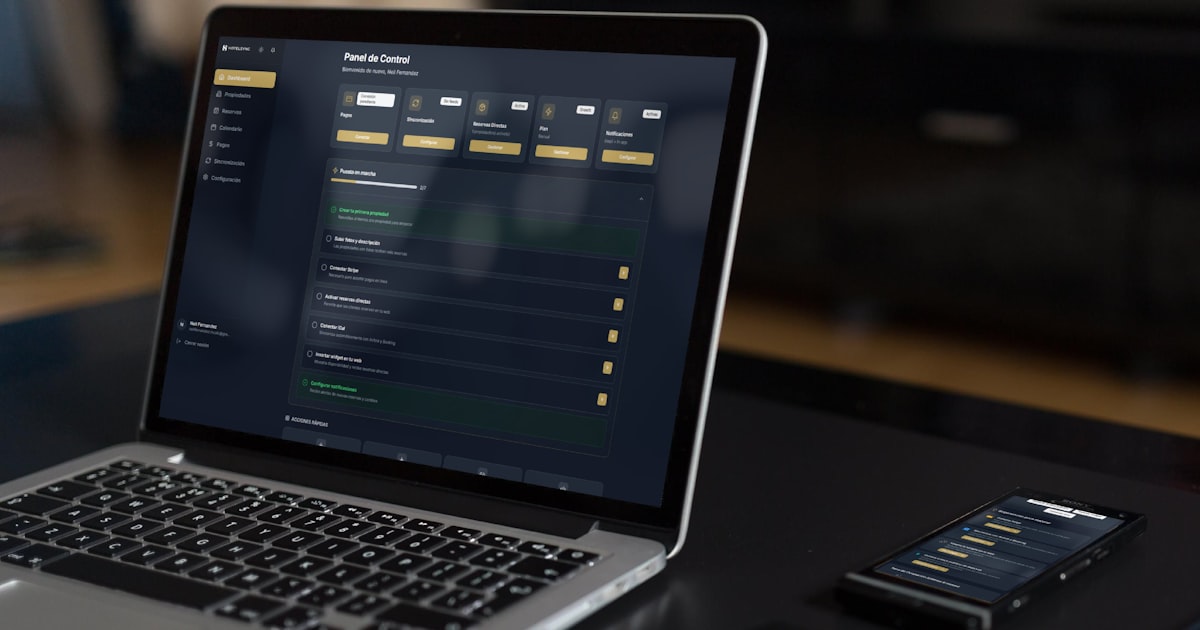
Automated accounting tools that are MTD-compatible can pull data directly from your business bank account, calculate your tax position throughout the year, and submit the required updates to HMRC. This removes the annual Self Assessment scramble and helps you avoid penalties for late or inaccurate submissions. For a detailed checklist, see our guide to Making Tax Digital for sole traders in 2026.
Cost Control in a High-Wage Economy
With the National Living Wage rising to £12.21 an hour from April 2026 and applying to workers aged 21 and over from that date (HM Treasury, 2025), labour costs are a growing concern for employers. Automated processes help you do more with the team you already have, rather than simply adding headcount. Tasks that once required manual data entry, follow-up emails, or repetitive checks can be handled by software, freeing staff to work on activities that genuinely need human judgement.
This is particularly important for women founders who bootstrap or grow without venture capital. The female founder VC funding gap means many women-led businesses must preserve cash and operate leanly. Automation supports that approach by reducing administrative overhead and limiting the need to hire before revenue justifies it.
Fewer Errors and Better Decisions
Manual processes are a common source of mistakes. A mistyped invoice total, a duplicated expense entry, or a missed payment deadline can create cash flow problems, tax penalties, or unhappy customers. Automated processes reduce these risks by applying consistent rules and flagging anomalies before they become expensive problems.
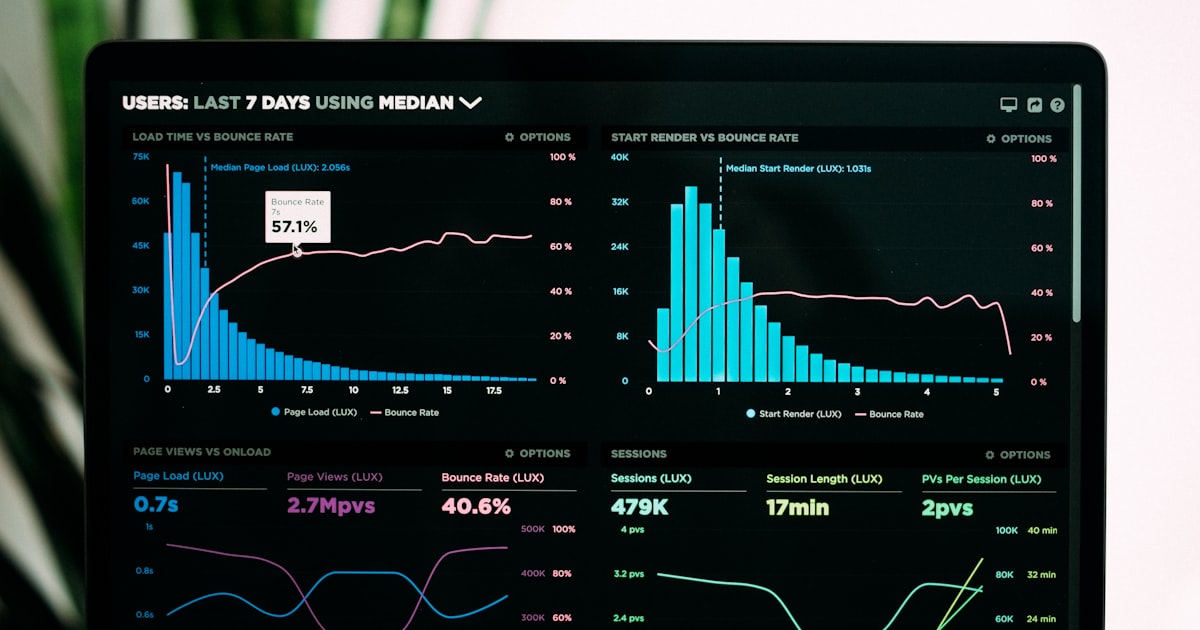
Accurate, up-to-date data also improves decision-making. When your accounting, sales, and inventory systems talk to each other, you can see your cash position, best-selling products, and outstanding debts in real time. That visibility is essential when you are deciding whether to hire, invest in stock, or take on new contracts.
Automation Strengthens Your Customer Service
Automation does not replace personal service; it makes consistent service easier to deliver. Automated booking systems, order confirmations, delivery updates, and email responses ensure customers receive timely information without you having to send every message manually.
Customer relationship management (CRM) software can track interactions, remind you to follow up with leads, and segment your mailing list so the right people receive relevant offers. For service-based businesses, automated appointment reminders reduce no-shows. For product-based businesses, automated stock alerts prevent overselling. The result is a smoother customer experience and fewer hours spent on admin.
Better Collaboration and Communication
If you work with employees, freelancers, accountants, or business partners, automated processes make collaboration easier. Shared cloud-based systems mean everyone is working from the same information, rather than passing spreadsheets back and forth. Workflow tools can assign tasks, set deadlines, and send reminders automatically, so projects move forward without constant manual checking.
This is especially useful if you work remotely or run a hybrid team. Automated file storage, version control, and approval workflows reduce confusion and ensure nothing falls through the cracks.
Where to Start With Automation
You do not need to automate everything at once. Start with the processes that consume the most time or carry the highest risk of error. For most UK women in business, the best starting points are:
- Cloud accounting software that is MTD-compatible, such as FreeAgent, Xero, or QuickBooks.
- Automated payroll that handles Real Time Information filings to HMRC.
- CRM and email automation to manage leads, customers, and routine communications.
- Scheduling and appointment tools to reduce back-and-forth messaging.
- Bank feed integration so transactions flow straight into your accounts.
Before choosing software, check that it integrates with the tools you already use and that it meets HMRC’s MTD requirements where relevant. Many providers offer free trials, so test the workflow before committing.
Practical Action Steps to Take Now
- Audit your weekly tasks and identify the three repetitive jobs that take the most time.
- Check whether your current accounting software is MTD-compatible for Income Tax Self Assessment.
- Review your payroll process and consider switching to an automated system if you employ staff.
- Set up automated invoice chasing and payment reminders to improve cash flow.
- Choose one CRM or email automation tool and map out a simple customer journey before adding complexity.
Automation is one of the most effective ways for UK women in business to save time, cut costs, and stay compliant in 2026. By starting with the areas that create the most friction, you can build a more efficient business without sacrificing the personal touch your customers value.