Tour guiding can be a genuinely flexible career for women who want to turn local knowledge into income. The UK tourism sector is worth more than £150 billion a year to the economy and supports around three million jobs, according to VisitBritain and ONS data from 2025. Whether you want to lead walking tours in Edinburgh, coach tours in the Cotswolds, or niche heritage experiences in your home town, there is a clear path from idea to first booking.
Most UK tour guides work on a freelance or self-employed basis. That freedom brings responsibility: you will need to register with HMRC, manage your own tax, and often arrange your own insurance. This guide explains how to become a tour guide in the UK, what qualifications help, and how to set up your business properly in 2026.
How to become a tour guide UK: choose your specialism
Specialism makes you memorable. Clients rarely book a generic “tour guide”; they book the person who can bring Roman London, Georgian Bath, or industrial Manchester to life. The main routes into the work include:
- Walking tour guide: Leads small groups on foot through city centres, explaining history, architecture, and local stories. This is the easiest format to start with low upfront costs.
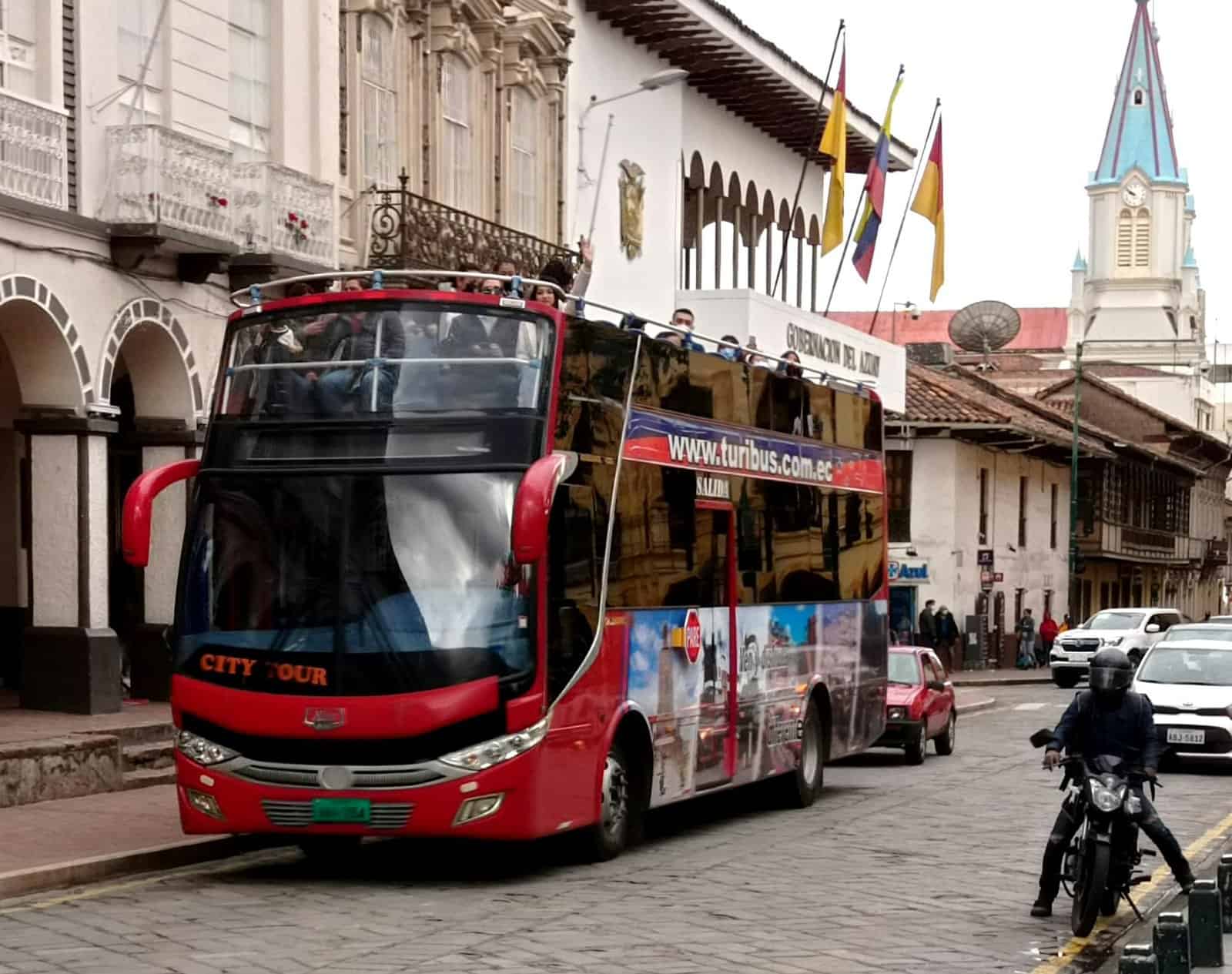
- Coach or tour bus guide: Narrates journeys by microphone, often working with coach operators or cruise lines. You need strong vocal projection and the ability to time commentary to landmarks.
- Museum or heritage site guide: Works inside a specific venue, interpreting collections or historic buildings. These roles are often employed directly by the venue.
- Adventure or activity guide: Leads outdoor experiences such as hiking, foraging, or wildlife walks. You may need additional qualifications in first aid, navigation, or the specific activity.
- Food, literary, or themed guide: Builds a tour around a niche interest. This can command higher prices and attract repeat bookings.
Skills that separate good guides from great ones
You do not need a performing arts background, but you do need presence. The women we see succeeding in this field tend to share a few practical strengths.
Timekeeping and pacing. A two-hour walking tour is not two hours of talking. You need to arrive early, finish on time, and leave space for questions, photographs, and unexpected delays.
Clear, engaging communication. You will speak to mixed groups, often with English as a second language, children, or people with limited mobility. Simplicity and warmth matter more than encyclopaedic detail.
Group leadership. Moving 20 people through a busy city centre requires confidence. You must be able to gather attention, give clear directions, and handle the occasional difficult guest without escalating the situation.
Calm under pressure. Rain, cancelled transport, and lost participants are part of the job. Clients remember how you handled problems more than the problems themselves.
Self-motivation. As a freelancer, you are your own sales, marketing, and finance department. If you dislike pitching for work or chasing invoices, employed museum or venue guiding may suit you better.
Qualifications and training for UK tour guides
You do not legally need a qualification to call yourself a tour guide in the UK. However, accreditation helps you stand out, especially for higher-paying work with travel trade clients, cruise lines, or corporate groups.
The Institute of Tourist Guiding runs the national badge system. The Blue Badge is the highest qualification for tourist guiding in England. Training covers history, architecture, presentation skills, and practical guiding. The Green Badge is for regional or local guiding, and the White Badge is for site-specific guiding such as a cathedral or museum.
The British Guild of Tourist Guides is the professional association for Blue and Green Badge guides. Membership can provide networking, referrals, and access to jobs from tour operators who only book guild members.
Shorter online courses can give you a foundation, but they are not a substitute for the Institute’s assessed training if you want to work with established operators.
Registering and paying tax as a self-employed guide
Most guides operate as sole traders. You must register for Self Assessment with HMRC as soon as you start earning. The deadline to register is 5 October after the end of the tax year in which you started trading.
Key 2026/27 figures to know:
- Personal Allowance: £12,570. You pay no income tax on profits below this amount.
- VAT registration threshold: £85,000. If your annual turnover exceeds this, you must register for VAT.
- Making Tax Digital: self-employed sole traders with turnover above £50,000 must follow MTD for Income Tax Self Assessment rules from April 2026.
You will pay Class 2 and Class 4 National Insurance contributions on your profits. For current rates and thresholds, check the latest HMRC guidance. Our Self Employed Tax UK: A Complete Guide for 2026/27 breaks down the calculations in plain English, and our Making Tax Digital Sole Trader: 2026 Checklist for Women explains the new quarterly reporting rules.
Insurance. Public liability insurance is essential; most venues and tour operators will not work with you without it. Consider professional indemnity insurance if you give advice that could be challenged, and personal accident cover if you lead physical tours.
Allowable expenses. You can claim costs that are wholly and exclusively for your business, including transport between tour locations, guidebooks, training, website hosting, and a proportion of phone and home office costs.
Finding your first bookings
Work for an established operator. Many walking tour companies, coach operators, and experience platforms hire freelance guides. Research businesses in your area and send a short, tailored email with your niche, availability, and any relevant training.
List on experience platforms. Sites such as Viator, GetYourGuide, and Airbnb Experiences can bring early visibility. Be aware they take a commission, so factor that into your pricing.
Approach venues directly. Museums, historic houses, and visitor attractions often need seasonal or freelance guides. A Blue or Green Badge can be a significant advantage here.
Build your own brand. A simple, mobile-friendly website with a booking system, clear pricing, and testimonials is the minimum. Instagram and TikTok are particularly effective for tourism businesses because travellers search by location and hashtag before they arrive.
Why tour guiding suits women returning to work
Tour guiding is a popular second career for women after maternity, caring responsibilities, or redundancy. You can often start part-time, set your own hours, and scale up during school term times or tourist seasons. According to Women in Business: Key UK Facts, self-employment remains one of the main routes women use to build flexible, sustainable incomes around other commitments.
Action steps to launch your tour guiding business
- Pick one niche and one location to specialise in.
- Decide whether to pursue formal accreditation through the Institute of Tourist Guiding or start with short courses.
- Register as self-employed with HMRC and open a separate business bank account.
- Arrange public liability insurance before you take your first booking.
- Create a simple website and social media presence focused on your niche.
- Contact three local tour operators or venues to introduce yourself.
Becoming a tour guide in the UK is not a get-rich-quick plan, but it is a realistic, low-cost business for women who love where they live and can communicate that enthusiasm. Get the qualifications, register properly, and start with one strong tour rather than trying to offer everything.