Attracting new customers is one of the hardest parts of running a business. For women founders in the UK, where women-led businesses contribute billions to the economy, every pound spent on marketing needs to work hard. Discounts and freebies to attract customers can be a powerful tactic, but only when they are planned, measured, and compliant with UK rules.
Small businesses make up 99.9% of the UK business population, according to the Department for Business and Trade’s 2024 business population estimates. Customer retention matters just as much as acquisition. Selling again to someone who already trusts you is usually cheaper than finding a new buyer. This article sets out practical ways to use promo codes, referral bonuses, coupons, and personalised offers to bring people in and keep them coming back, without undermining your margins or breaking advertising and tax rules.
Learn why discounts and freebies to attract customers still work
UK shoppers remain deal-conscious. According to ONS data from 2024, internet sales accounted for around 27% of all retail sales, and digital offers are now a normal part of the buying journey. The 2019 Alison Rose Review of Female Entrepreneurship found that women make up only 32% of UK entrepreneurs, while the 2023 Rose Review Progress Report noted a 23% increase in women-led employer businesses between 2018 and 2022. For women founders who often grow through revenue reinvestment rather than external funding, low-cost customer acquisition tactics are especially valuable.
A well-timed discount lowers the risk of a first purchase. A free sample or trial lets a customer experience your product before they commit. Used correctly, these tools do not devalue your brand; they reduce friction for new buyers and reward loyalty among existing ones.
Use promo codes to acquire new customers
Promo codes are one of the simplest ways to turn interest into a first sale. Offer a percentage or fixed-amount discount to new email subscribers, first-time website visitors, or attendees at a trade show. The key is to make the code easy to use and track.
Before you launch, decide what you are measuring. Is it new email sign-ups, first purchases, or average order value? Use a unique code for each channel so you know which marketing activity is paying off. If you sell through your own website, most e-commerce platforms let you generate and track codes automatically. If you are VAT registered, HMRC guidance states that VAT is due on the discounted price actually paid, not the full price.
Reward referrals to grow through trust
A referral scheme rewards an existing customer for bringing in a new one. This gives you two wins at once: a new sale and a stronger relationship with the customer who recommended you.
Keep the reward simple. A £10 credit, a free product, or a discount on the next order is usually enough. Make the terms clear from the start, including when the reward is triggered and any expiry date. The ASA CAP Code says promotional terms must be presented clearly and prominently, so avoid hiding conditions in small print.
Distribute digital coupons across UK channels
Digital coupons remain popular with UK consumers. You can distribute them through your website, email newsletter, social media, or partner websites. The British Business Bank and programmes such as Start Up Loans for women founders often support businesses that use low-cost digital marketing to test demand before scaling.
If you sell both online and in person, make sure your point-of-sale system can accept the same voucher codes. Train staff to handle redemptions consistently, and set a clear expiry date to protect your cash flow.
Create genuine urgency with expiry dates
Expiry dates encourage customers to act rather than postpone. A flash sale, a weekend-only code, or a limited-edition free gift can nudge hesitant buyers over the line.
Under the ASA CAP Code, any time limit must be genuine. You cannot claim a sale ends at midnight on Friday and then restart it on Saturday with the same offer. Misleading urgency counts as an unfair commercial practice under the Consumer Protection from Unfair Trading Regulations 2008 and can lead to complaints and enforcement action.
Personalise offers using customer segments
Segmenting your audience lets you send the right offer to the right person. Group customers by location, purchase history, or browsing behaviour. A customer who bought skincare in winter might appreciate a discount on SPF in spring. Someone who abandoned their basket might respond to a small discount sent within 24 hours.
Personalisation must respect data protection law. If you hold personal data for marketing, you need a lawful basis under UK GDPR and must give people a clear way to opt out. The Information Commissioner’s Office publishes guidance on direct marketing that is worth reading before you start segmenting.
Check tax and legal compliance first
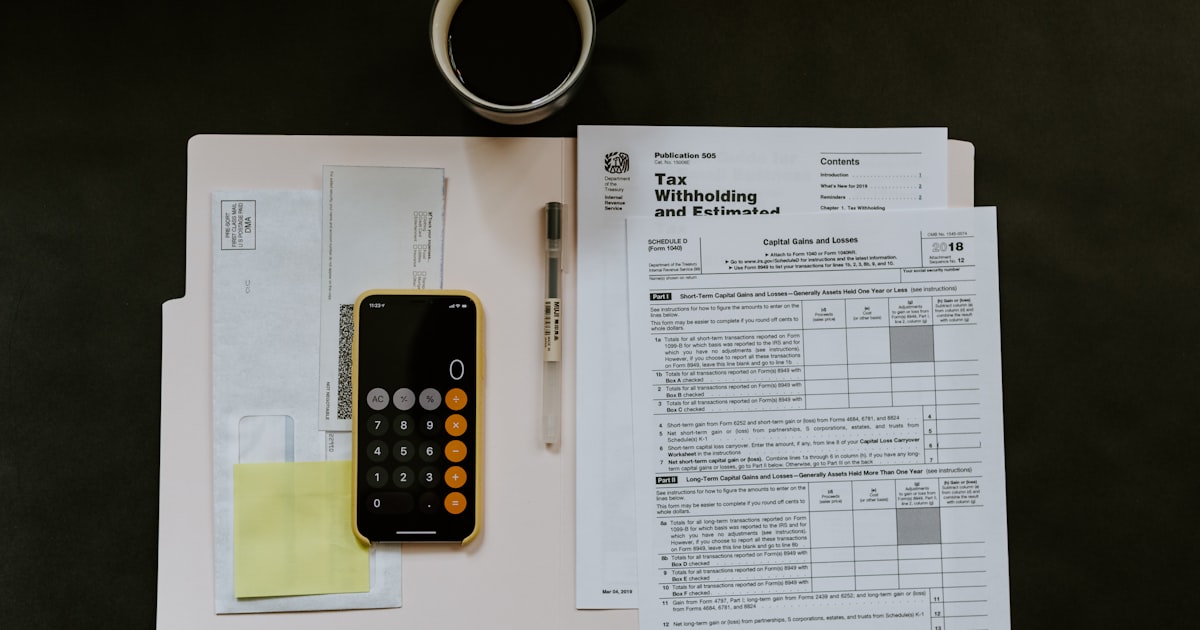
Discounts affect your VAT and profit calculations. HMRC guidance states that when you offer a genuine discount at the time of sale, VAT is due on the price actually paid. If you issue a voucher, the VAT treatment depends on whether it is a single-purpose voucher or a multi-purpose voucher. Getting this wrong can create a surprise bill, so speak to an accountant if you are unsure.
Also check that your promotions do not breach the Consumer Rights Act 2015 or the Consumer Protection from Unfair Trading Regulations 2008. For example, advertising a product as free when the customer must make a separate paid purchase to qualify can be misleading unless the terms are clear.
Measure results and refine your approach
Run small experiments before committing to a large campaign. Try two different discount levels, two subject lines, or two expiry windows and compare the results. Track not just immediate sales but customer lifetime value. A 20% discount that brings in buyers who never return is less valuable than a 10% discount that builds a loyal base.
For women founders who want to grow without giving away equity, tactics like these are a practical complement to the strategies covered in our guide on how women founders boost revenue without external funding.
Take these practical next steps
- Choose one customer acquisition goal and design a single promo code or freebie around it.
- Set a genuine expiry date and write clear terms that comply with the ASA CAP Code.
- Check your VAT position with HMRC guidance or your accountant before launching.
- Segment your audience and personalise the offer where you have a lawful basis under UK GDPR.
- Track results by channel and adjust your next campaign based on what the data shows.
Discounts and freebies to attract customers can deliver real growth for UK women-led businesses when they are targeted, measured, and legally sound. Start with one small campaign, learn from the results, and build from there.