Keeping warm when you work from home is not just a comfort issue. It is a running cost that can eat into the already tight margins of a freelance or small business income. With energy bills still one of the largest variable costs for home-based businesses in 2026, heating one room for eight hours a day adds up fast.
The good news is that you can cut the cost without freezing. This guide sets out the current UK support, tax relief, and practical habits that help women who run businesses from home stay warm and solvent.
Why keeping warm when you work from home matters
Before you change anything, look at your actual usage. A small electric fan heater or oil-filled radiator left on through the working day can add a noticeable sum to your monthly bill. Women are more likely to work in lower-paid freelance roles and to juggle caring responsibilities from home, which means the heating is often on for longer hours than in a traditional office. That makes energy efficiency a business priority, not just a household one.
Gas central heating is usually cheaper per unit than electricity, but heating the whole house when you only use one room is wasteful. A programmable thermostat, thermostatic radiator valves, or a smart meter can help you heat only the space you need.
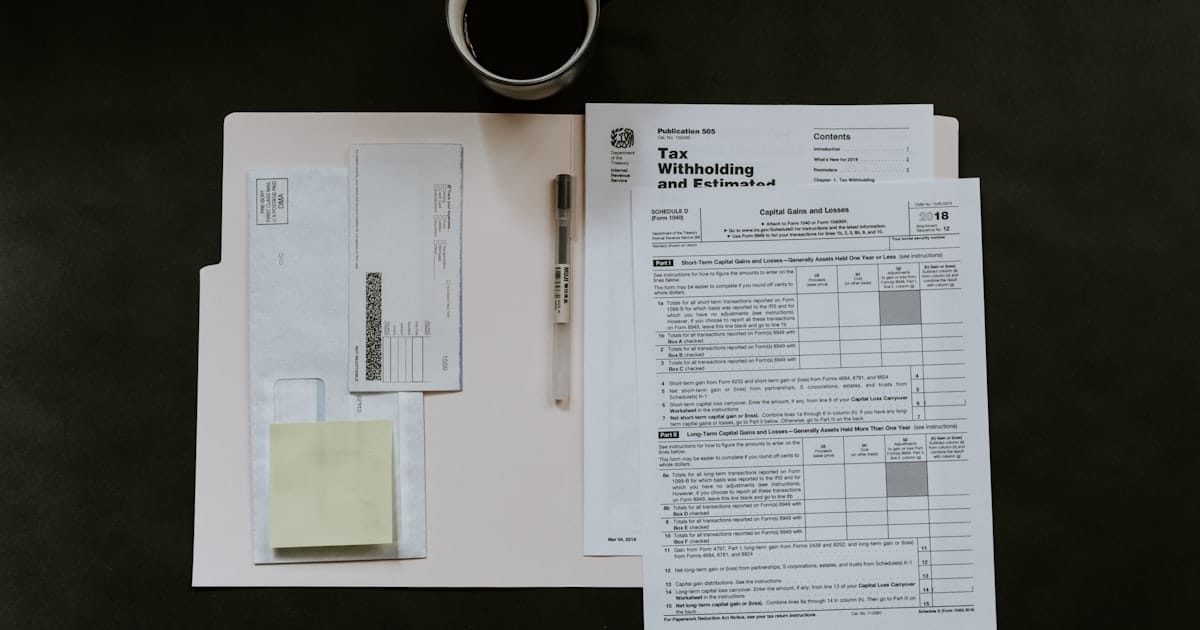
Claim HMRC tax relief for working from home
If you are self-employed, HMRC lets you claim a flat rate for working from home through simplified expenses. For the 2025-26 tax year, the rates depend on how many hours you work at home each month (HMRC, 2025-26):
- 25 to 50 hours: £10 per month
- 51 to 100 hours: £18 per month
- 101 hours or more: £26 per month
These rates cover the extra cost of gas and electricity for your work area, but not mortgage interest or council tax. You can also claim a proportion of actual costs if that gives a higher figure. For a full breakdown, see our guide to Home Working Expenses Self Employed Can Claim Through HMRC.
Limited company directors have different rules. You can claim £6 per week without receipts under HMRC’s flat-rate home working allowance for 2025-26 (HMRC, 2025-26), or claim the actual extra costs. Our guide to How to Pay Yourself as a Limited Company Director in 2026 explains how to keep these claims clean.
Insulate before you turn the thermostat up
Draught-proofing and insulation give the best return for the lowest outlay. The Energy Company Obligation scheme, ECO4, ran from April 2022 to March 2026 (gov.uk, 2026). Check the current gov.uk ECO4 page to see which grants have replaced it, as new energy efficiency schemes are announced regularly.
Low-cost fixes that pay back within weeks include:
- Self-adhesive window film and draught excluders
- Letterbox and keyhole covers
- Closing curtains at dusk to keep heat in
- Moving furniture away from radiators so heat circulates
If you own your home, upgrading to double or triple glazing cuts heat loss, but the upfront cost is high. Start with the cheapest measures first.
Use the Warm Home Discount and Cold Weather Payments
Some home workers qualify for the Warm Home Discount, a reduction of up to £150 on electricity bills for households on low incomes or certain means-tested benefits in 2025-26 (gov.uk, 2025-26). The scheme reopens each autumn and is administered by energy suppliers.
Cold Weather Payments give £25 for each seven-day period of very cold weather where you live, if you receive certain benefits (gov.uk, 2025-26). The scheme runs from 1 November to 31 March each year. You do not need to apply; the payment is automatic.
Heat the person, not the whole room
Once you have cut draughts, focus on keeping yourself warm rather than the entire house. A heated throw or hot water bottle costs pennies to run compared with a fan heater. Layering with merino or thermal base layers traps heat without the bulk of a thick jumper. If you run client calls from a cold spare room, keep a blanket nearby and consider a USB-powered heated desk pad. These use a fraction of the energy of a space heater and keep your hands warm while you type.
A few habits make a measurable difference:
- Drink hot drinks during the day; the warmth in your hands raises your perceived comfort
- Wear thick socks or slippers; cold feet make the whole body feel colder
- Use a desk mat or footrest to lift your feet off a cold floor
- Set a timer so the heating comes on just before you start work and goes off at breaks
Move more during the working day
Sitting still lowers your body temperature. A short walk before work acts like a commute and gets your circulation going. Inside the house, stand up and stretch every 25 to 30 minutes. The Pomodoro technique, working in 25-minute bursts with five-minute breaks, is a simple way to build movement into your day.
Regular movement also reduces back and neck pain, which is common among home-based workers who do not have an office ergonomic setup. Movement also helps clear your head between tasks, which is useful if you are balancing client work with school runs or caring duties. For more on staying productive at home, see Does a Clean Workspace Really Impact Your Productivity?
Take practical action steps this week
- Check your latest energy bill and work out what heating your workspace costs per day.
- Claim the correct HMRC home working allowance for your employment status.
- Check gov.uk for current insulation grants and apply for the Warm Home Discount if you are eligible.
- Draught-proof windows, doors, and letterboxes this week.
- Switch from heating the whole house to heating the person: layers, hot water bottle, and timed heating.
Keeping warm when you work from home in 2026 is about spending smart, not spending more. Use the tax relief and grants available, seal the gaps, and build movement into your day. Small changes add up to a warmer workspace and a lower energy bill.