 Having a long-term health condition or disability does not mean giving up on meaningful work. In my case, self-employment with a health condition turned out to be the perfect solution. I set up WordNerd, a copywriting and training business, after eight years of ill health, and it remains the best professional decision I have ever made.
Being ill gave me resilience and determination, two qualities that are invaluable when you work for yourself. Running my own business also lets me manage my health around my workload, and I am healthier and happier now than I was during my years in conventional employment.
Government figures suggest that around 16 million people in the UK live with a disability (DWP Family Resources Survey, 2022/23), and a growing number are choosing self-employment as a flexible route into work. If you are one of them, it may be worth exploring whether starting a business could work for you.
My story (the short version)
During the Christmas of 2003, I became ill and never fully recovered. A bout of flu led to a chest infection, and despite repeated courses of antibiotics, my health did not improve. In the autumn of 2004, at the age of 27, I was diagnosed with fibromyalgia, a chronic condition that causes widespread pain and fatigue, and told I could be ill for the rest of my life.
The first few years were brutal. There were times when I could not walk and days when I could barely move. Simple tasks such as bathing and dressing could take hours. On my worst days, I could not lift a hairbrush or hold a fork. I was signed off work for a year and surviving on a very small amount of sickness benefit.
Full-time employment was making me worse
By 2011 I had managed to return to work, starting part-time and gradually building up to full-time hours. Looking back, my health was never really up to it. I spent almost every evening and weekend recovering, and my body was sending increasingly clear warning signals.
After two years of full-time work, I began having episodes that looked like transient ischaemic attacks, or mini-strokes. One day I had an episode in the office and was carried downstairs to a waiting ambulance in a wheelchair. I never went back.
After scans, A&E visits and an appointment with a neurologist, the episodes were diagnosed as migraines that mimic TIAs. By then I had already been pushed out of my job, so I found myself seriously unwell, almost unemployable in the eyes of many recruiters, and close to broke.
Rather than despair, I saw it as a chance to do things differently.
Finding a work solution that fitted my life
Around that time, a contact mentioned that her website designer was always looking for people to write web content. A friend also suggested that small business owners would pay someone to write their blogs. That was all it took: WordNerd was born, offering website copy and blog-writing services.
Turning a passion into a business
I had always wanted to write. My A-level English teacher had predicted I would be a writer; it just took me the best part of two decades to find my niche. I had written fiction, taken courses, had articles published and read voraciously. I also had a fierce motivation to make it work.
It is a cliché, but I have never looked back. I am happier, more intellectually fulfilled, more motivated and more excited about the future than I have ever been.
I do not want to pretend self-employment is easy. In the early months there were weeks when I earned nothing. I have worked harder than I ever did in the finance sector, including 14-hour days and two degrees. There is a huge amount to learn and do.
But self-employment gives you the freedom to choose your hours and structure your workload around your health. I could not have done it without the support of my partner and the NHS. There have been periods since launching the business when I have been ill for several weeks at a time. When that happens, you have no choice but to rest, recover and pick things up when you can. At least no one can sack you for needing time off.
If it does not kill you, it makes you stronger
Being ill made me stronger. Fibromyalgia is not life-threatening in itself, but the depression that can accompany long-term illness is serious, and people with fibromyalgia have a higher suicide rate than the general population. I was determined that would not be my story.
When you have to sleep 12 hours a day and sit still for the rest, even though your brain is active, you develop mental strength. When you have to drag your legs up the stairs for the hundredth time because they will not work, something inside you becomes cast-iron tough.
That strength is probably why my self-belief is now unshakeable. That, and the fact that there is no plan B.
I would not choose to go through it all again, but I would not change it either. My experiences, my need to manage my own time and health, and the sense that I had never reached my true potential in previous jobs all came together.
I love what I do. I love writing and training people, I love that every day is different, and I love meeting and helping all sorts of wonderful people. Opportunities seem to present themselves almost daily.
Opportunities are there if you recognise them
A few years after launching, I was asked by a national disability charity to run training sessions for other small business owners. Training quickly became one of my main services. Someone in the US got in touch about running the course overseas, and suddenly I was building an online training offer. You spot a gap in the market, fill it, and create more work for yourself in the process.
Along the way, I have found myself in places I never expected, drinking champagne in the House of Lords with other businesswomen, for one. Self-employment opens doors you never knew existed.
Living with a long-term health condition has been the toughest experience of my life, but if it was the only route to where I am now, I am thankful for it. There is nothing unusual about me. If self-employment worked for me, it could be the solution you are looking for too.
Self-employment with a health condition: practical support for 2026
If you are living with a health condition or disability and considering self-employment, there is support available. Access to Work can provide a grant of up to £66,000 per year (DWP, 2024/25) to cover specialist equipment, travel to work, a support worker or mental health support. You can apply whether you are employed or self-employed, and the grant does not have to be repaid.
Depending on your National Insurance record and circumstances, you may also be able to claim Universal Credit while you build your business. Self-employed claimants are usually treated as having a minimum income floor unless they are in a 12-month start-up period or have limited capability for work. If your health condition affects how much you can work, tell DWP when you claim. Those with enough National Insurance contributions may claim New Style Employment and Support Allowance instead.
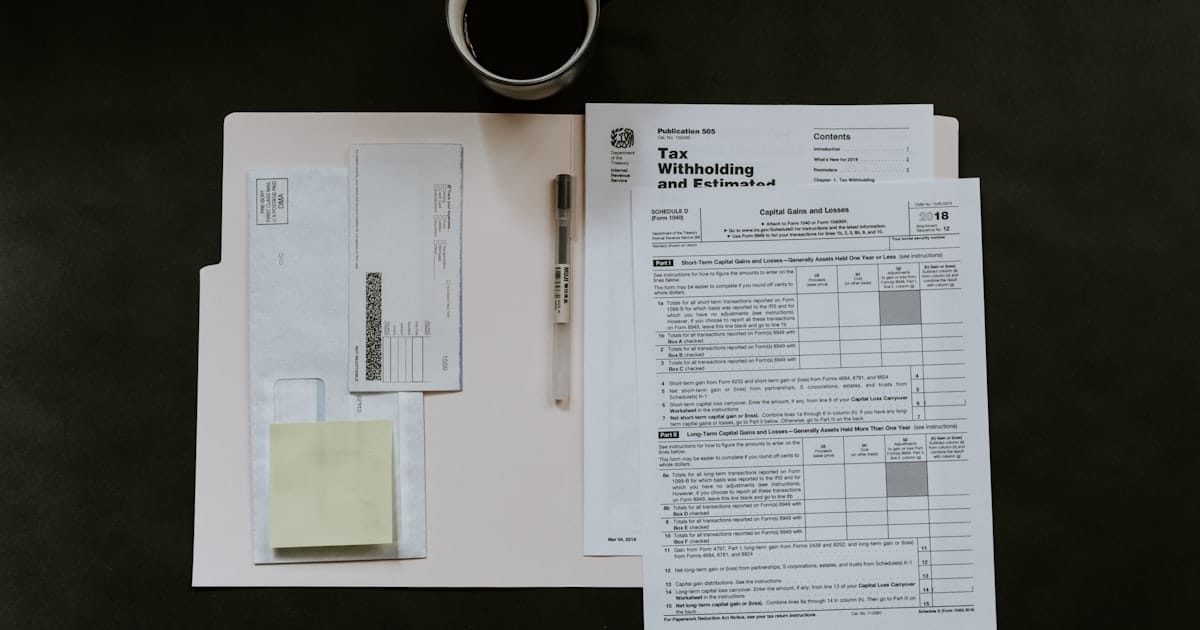
From April 2026, Making Tax Digital for Income Tax Self Assessment begins for sole traders and landlords with annual business or property income over £50,000 (HMRC). You will need compatible software to keep digital records and submit quarterly updates. Our Making Tax Digital sole trader checklist explains what to prepare.
On tax, self-employed people must register with HMRC by 5 October in their business’s second tax year and file a Self Assessment tax return by 31 January each year (HMRC). You can claim allowable expenses for costs that are wholly and exclusively for business, including home working costs if you work from home. See our guides to self-employed tax in 2026/27 and allowable expenses for the self-employed.
Charities and networks also offer advice. Scope, Leonard Cheshire, the Federation of Small Businesses and the Disabled Entrepreneurs Network run mentoring, funding advice and peer support for disabled entrepreneurs.
Action steps to take next
- Check whether you qualify for Access to Work before you spend money on specialist equipment or workplace support.
- Speak to a welfare adviser about Universal Credit or New Style ESA while your income is unstable.
- Register for Self Assessment and choose MTD-compatible software if your expected turnover is over £50,000.
- Keep records of every business cost from day one so you can claim allowable expenses.
- Join a disabled entrepreneurs’ network so you are not building your business alone.
Self-employment with a health condition is not an easy option, but it can be a genuinely flexible one. For me, it has been life-changing.