Going freelance gives you control over your clients, your hours and your income, but it also shifts responsibility for tax, cash flow and compliance onto you. Before you go freelance, it pays to understand how self-employment works in the UK in 2026. According to the latest ONS Labour Force Survey data from 2024, around 4.4 million people were self-employed in the UK, and women accounted for around 1.6 million of them. Whether you are leaving employment to consult, design, write or coach, these seven points will help you make the move with your eyes open.
1. Your tax and National Insurance obligations change
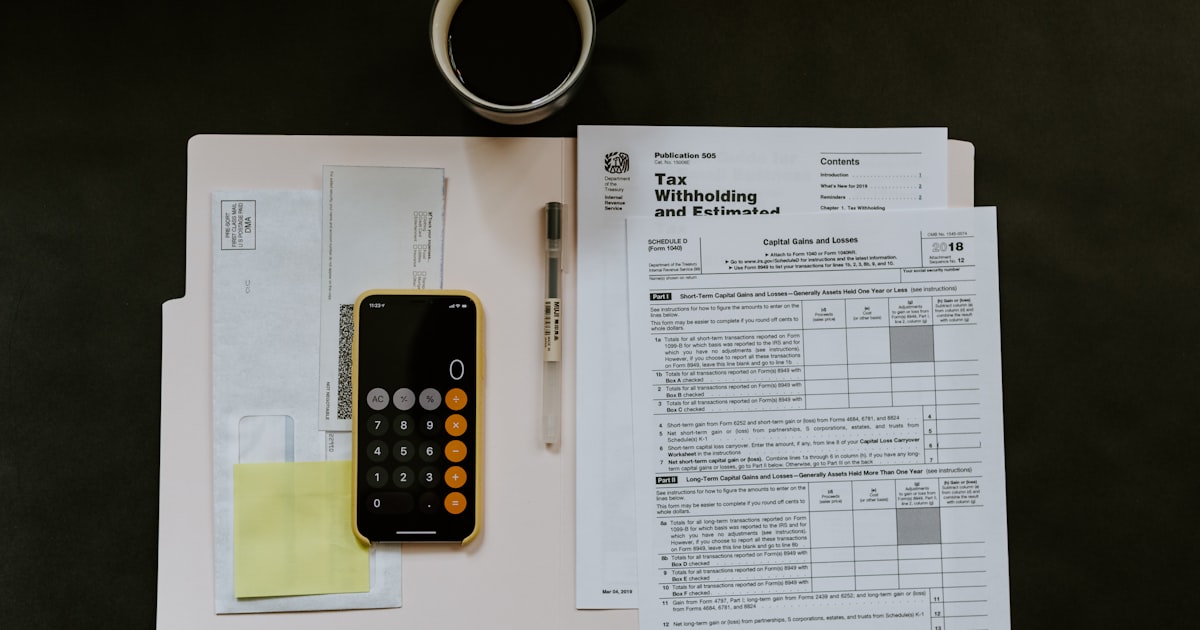
When you go freelance, HMRC treats you as self-employed. You must register for Self Assessment by 5 October in your business’s second tax year, file a tax return each year, and pay Income Tax and National Insurance on your profits.
For the 2026/27 tax year, the personal allowance stays at £12,570, and this is frozen until April 2028, according to HMRC. Class 2 National Insurance contributions were abolished from April 2024. Class 4 NICs are charged at 6% on profits between £12,570 and £50,270, and 2% on profits above that.
You may also need to prepare for Making Tax Digital for Income Tax Self Assessment. The government confirmed in December 2024 that MTD for ITSA will be delayed and reformed, with mandatory quarterly reporting now expected from April 2027 for self-employed people and landlords with income over £50,000. See our Making Tax Digital Sole Trader: 2026 Checklist for Women for what to do now.
2. Mortgages need more paperwork, not a different answer
Getting a mortgage when you are self-employed is not impossible, but lenders want evidence of stable income. Most high-street lenders ask for two or three years of certified accounts or SA302 tax calculations, although some specialist lenders will consider one year if your track record is strong.
Day-rate contractors can sometimes be assessed on their contract day rate rather than historical accounts, but this varies by lender. The key is to keep clean records, file your tax returns on time, and speak to a broker who understands self-employed applications before you start house-hunting. Being newly self-employed does not automatically rule you out, but it does mean you need to plan further ahead.
3. Income fluctuation affects credit and cash flow
Freelance income rarely arrives in neat monthly chunks. A good month can be followed by a quiet one, which makes cash flow planning essential and can make lenders cautious about offering credit.
Check your credit report regularly, keep personal and business spending separate, and build a buffer. A useful rule of thumb is to hold at least three months of essential expenses in a business savings account so you can cover tax bills, quiet periods and unexpected costs without relying on credit. If you invoice clients, agree payment terms in writing and chase overdue invoices promptly.
4. You become your own project manager and administrator
As a freelancer you are not just doing the work; you are also the sales, marketing, finance and project management department. You need systems for invoicing, chasing payments, tracking time and storing contracts.
Set up a separate business bank account, choose accounting software that suits your workflow, and diarise key deadlines such as the 31 January Self Assessment deadline and 31 July payment on account date. If you trade through a limited company, remember that Companies House is introducing identity verification requirements for directors and people with significant control from 2025. Good administration is what turns a freelance skill into a sustainable business.
5. IR35 and off-payroll rules may still apply
If you work through your own limited company, IR35 off-payroll working rules can affect how you are taxed. Medium and large private-sector clients are responsible for determining your IR35 status, and public-sector bodies have similar obligations.
Even as a sole trader, you should understand whether a contract looks like employment or self-employment, because this affects your tax treatment. Read our IR35 Off-Payroll Working UK: What Women Need to Know to check where you stand.
6. Pensions, insurance and maternity benefits are your responsibility
When you are employed, your employer pays into your pension and you receive Statutory Maternity Pay. When you go freelance, these safety nets disappear unless you build them yourself.
Consider opening a personal pension and claiming tax relief at your marginal rate. You should also look at professional indemnity insurance and public liability insurance, depending on your sector.
If you plan to have children, self-employed women can claim Maternity Allowance from the government rather than Statutory Maternity Pay. Our Maternity Pay Self Employed: A Complete UK Guide explains the thresholds and how to apply.
7. Boundaries prevent burnout
Freelancing can blur the line between work and home, especially if you work from a kitchen table or home office. Without set hours, it is easy to say yes to every project and end up working evenings and weekends.
Set clear start and finish times, communicate your availability to clients, and schedule non-work time in your calendar as if it were a client meeting. Protecting your time is a business decision, not a luxury. Building sustainable habits from the start helps you avoid burnout and keeps your freelance career viable in the long term.
Before you go freelance: final checklist
Before you go freelance, get your foundations right. Understand your tax obligations, protect your cash flow, check your IR35 position, and put basic insurance and pension contributions in place. With the right preparation, self-employment can offer the flexibility and autonomy that many women want from their careers.