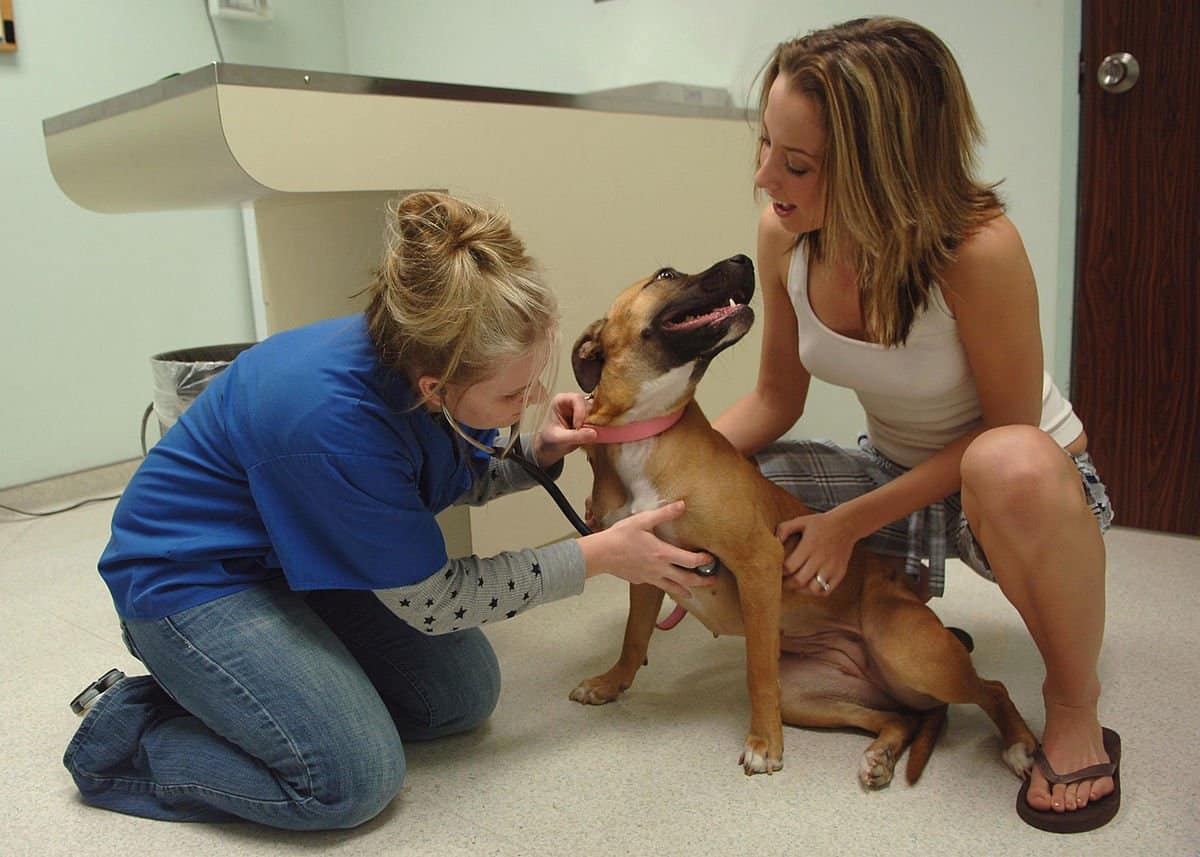
The UK pet care market remains one of the most resilient parts of the economy. If you are starting a vet practice in the UK, the demand backdrop is encouraging: according to the Pet Food Manufacturers’ Association (PFMA) 2025 survey, around 17.2 million UK households, roughly 62% of homes, own a pet, with the total pet population estimated at more than 36 million. Although the pandemic-driven surge has settled, demand for veterinary services continues to outstrip supply in many areas.
The veterinary profession is also increasingly women-led. The Royal College of Veterinary Surgeons (RCVS) reported in its 2024 publication of the Survey of the Veterinary Profession that 58% of veterinary surgeons in the UK identify as female, and women now make up more than 80% of new graduates. At the same time, Brexit-related changes to immigration and qualification recognition have contributed to a sharp fall in the number of EU-qualified vets registering to work in the UK. The result is a genuine recruitment crisis, but also an opening for experienced women vets to shape the future of the industry by launching their own practice.
Corporate consolidation has changed the landscape: many independent practices have been bought by large groups, and some vets feel that clinical autonomy and work-life balance have suffered. Starting your own practice can be a way to set your own culture, prioritise patient care and build a business that reflects your values. If you are thinking of starting a vet practice in the UK, here are four areas to plan carefully.
Key considerations when starting a vet practice in the UK
Opening a veterinary clinic is a significant undertaking. Beyond clinical expertise, you will need to think like a business owner: managing people, premises, cash flow and compliance. The sections below cover the essentials that can make or break a new practice.
1. Staffing and retention
Recruitment is the single biggest challenge facing most UK vet practices today. Before you open your doors, be realistic about how many vets, nurses, receptionists and support staff you need, and how hard it may be to find them. Build a recruitment plan early, and think about what will make someone choose your practice over a larger corporate competitor.
Competitive pay matters, but it is not the only factor. From April 2026, the National Living Wage for workers aged 21 and over is £12.82 per hour, so ensure your lowest-paid roles meet this legal minimum. Flexible rosters, manageable caseloads, mental-health support and a positive team culture are increasingly important, especially to younger vets. Many women founders use this as an opportunity to build a practice culture that values flexibility, wellbeing and professional development from the outset. The RCVS requires all veterinary surgeons to complete continuing professional development (CPD), so budget for training from day one. This includes clinical courses, but also training on practice-management systems, client communication and leadership. Investing in your team’s development improves retention and the standard of care.
You will also need clear employment policies and an employee handbook covering everything from clinical protocols and social-media use to grievance and disciplinary procedures. If you have never employed staff before, seek advice from an HR professional or a solicitor with experience in veterinary practices.
2. Equipment, premises and supplies
Finding the right premises is about more than location. You will need enough space for consulting rooms, a preparation area, imaging and laboratory facilities, kennels for in-patients, staff areas and a welcoming waiting room. Parking is essential; clients with sick or elderly animals need easy access, and disabled access must meet current regulations.
Your equipment list will depend on the services you plan to offer, but most small-animal practices need at least examination tables, diagnostic imaging (digital X-ray and ultrasound), anaesthetic machines, monitoring equipment, dental equipment, laboratory analysers and surgical instruments. Do not forget the less visible essentials: IT hardware, telephones, practice-management software, stock-control systems and a reliable internet connection.
Pharmaceuticals and controlled drugs bring additional responsibilities. You must register with the Veterinary Medicines Directorate (VMD), comply with storage and record-keeping rules, and follow the RCVS guidance on prescribing. Joining a veterinary buying group can help reduce the cost of drugs, consumables and equipment, but compare terms carefully and make sure any supplier meets UK regulatory standards.
3. Marketing and client acquisition
Even the best clinical practice will struggle if local pet owners do not know it exists. Start by defining your target market: are you focusing on small animals, exotics, farm clients or equine work? Your answer will shape your branding, services and pricing.
A professional website is non-negotiable. It should include your services, team profiles, opening hours, pricing information and an easy online booking option. Local search engine optimisation is particularly important for vets: claim and update your Google Business Profile, encourage satisfied clients to leave reviews, and make sure your practice appears correctly on maps and directories.
Social media can help you build trust before clients even walk through the door. Share practical pet-care tips, introduce your team and celebrate milestones. Many practices also benefit from reminder systems for vaccinations and parasite treatments, which keep clients engaged and improve compliance. Whichever channels you use, track what works: new client numbers, average transaction value, client retention and referral rates will tell you whether your marketing spend is delivering results.
4. Financing and compliance
Starting a veterinary practice can require a six-figure investment. Typical start-up costs include premises deposits and refurbishment, equipment, initial stock, IT systems, insurance, marketing and several months of working capital. You will need a detailed business plan that sets out these costs, your projected income and your break-even point.
Funding options include high-street bank loans, asset finance for equipment, private investors, peer-to-peer lending and the government-backed Start Up Loans scheme, which offers up to £25,000 per director with a maximum of £100,000 per business. Some lenders specialise in veterinary practices and understand the sector’s cash-flow patterns. If you are considering bringing in outside investors, think carefully about how much control you are willing to give up and how profits will be distributed. Women founders may also benefit from connecting with sector-specific networks and mentors who understand both the clinical demands and the financial realities of running a veterinary business.
Once the practice is trading, aim to reinvest a portion of profits back into the business. This builds equity, funds future growth and makes the practice more attractive if you later decide to sell. Keep a close eye on key metrics such as debtors, stock levels and gross margin, and review your financial forecasts regularly with an accountant who understands veterinary businesses.
Finally, do not overlook the legal and regulatory side. You will need the correct RCVS registration, professional indemnity insurance, employer’s liability insurance, and possibly planning permission and environmental permits depending on your premises. A solicitor and accountant with experience in veterinary practices can help you avoid costly mistakes.
Action steps
- Audit your local market and confirm whether demand for veterinary services is strong enough to support a new practice.
- Build a 12-month staffing plan that includes pay rates above the National Living Wage, CPD budgets and retention incentives.
- Register with the VMD and RCVS before you order controlled drugs or open for clinical work.
- Prepare a detailed business plan and explore sector-specific lenders and Start Up Loans before you commit to premises or equipment.
Starting a vet practice in the UK is demanding, but for women vets who want to set their own standards and build something lasting, it can also be one of the most rewarding career moves. Plan thoroughly, seek specialist advice, and focus on building a team and culture that puts both patients and people first.