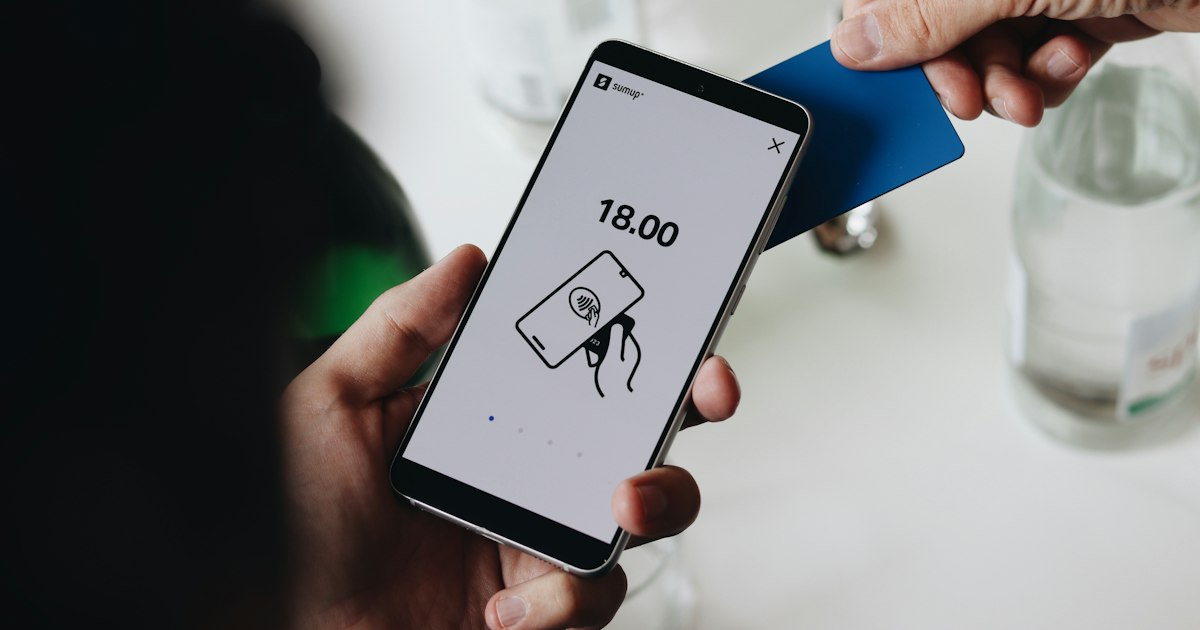
You do not have to look far to see the impact of technology on business in the UK today. According to Ofcom’s 2025 Communications Market Report, smartphone ownership among UK adults is now around 97 per cent and the average adult spends roughly four hours online each day. For women running businesses, that constant connectivity brings clear advantages: instant communication, cloud accounting, video calls and AI-powered research tools. Yet the real question is who is in charge: you, or the technology? Because digital tools now shape everything from tax reporting to customer relationships, it is worth stepping back to look at how they affect your business in 2026.
The impact of technology on business begins with attention
Most business owners recognise the scene: a meeting pauses while someone glances at a flashing phone, or a conversation loses momentum because a notification demanded attention. Ofcom’s 2025 research suggests UK adults check their phones dozens of times a day, often within minutes of waking. Being connected is useful, but attention is still a choice. The business contacts who impress you most are usually the people who listen properly and show genuine interest. Technology should support those relationships, not interrupt them.
Simple habits help: turn off non-essential notifications during meetings, agree a “no devices” rule for important conversations, and model the behaviour you want your team to follow. If you employ people, remember that the right to disconnect is becoming a stronger workplace expectation in the UK. Clear boundaries protect wellbeing and productivity alike.
Prioritise quality over quantity in communication
The way we communicate has shifted dramatically. Instant messages, Slack channels, Microsoft Teams and brief emails have replaced many formal letters and long phone calls. The expectation now is often: “Reply quickly, even if briefly.” That speed can be efficient, but it also creates risk. Messages fired off in haste, especially when we are tired or stressed, can damage client relationships and reputations.
As a business owner, send a short holding response, such as “Thank you for your message; I will come back to you by [time]”, and then give yourself space to answer properly. If something is genuinely urgent, a phone call is usually clearer than a chain of clipped messages. There is also an inclusion point here. Not everyone works the same hours or has the same access needs. Clear subject lines, well-structured messages and respect for out-of-hours boundaries make digital communication more effective for clients, employees and suppliers alike.
Online networks are not the same as community
Social platforms make it easy to collect followers, LinkedIn connections and email subscribers. But a large network is not the same thing as a community. With hybrid and remote working now a regular feature of UK working life, ONS labour market data from 2025 shows around 28 per cent of working adults in Great Britain work from home at least part of the week, so the quality of our online relationships matters more than ever.
Community is built through shared purpose and participation, not by the number of names on a list. If you run virtual meetings, set a clear agenda, rotate who chairs, use video by default and record actions. These small disciplines keep people engaged. For women founders, dedicated networks can also provide practical support. Our Women in Business Networks UK: The Best Communities to Join in 2026 guide lists communities worth exploring.
Verify information before you act on it
The internet is an extraordinary research tool. We use it to check competitors, follow industry news and understand our customers. But the sheer volume of content, including AI-generated articles and unverified social posts, means we have to be more careful than ever about what we trust. Ask basic questions: who wrote this, what is their expertise, when was it published, and what evidence is provided?
For UK business information, reliable sources include GOV.UK, the Office for National Statistics, Companies House, recognised trade associations and established media such as the BBC or the Financial Times. Cross-checking facts before you act on them is a small habit that prevents big mistakes. This matters particularly when you are researching grants, tax rules or funding opportunities, where outdated advice can be costly.
Your online brand shapes your credibility
If someone searches your company name or your own name today, what do they find? Your online brand is often the first impression people have of your business, so credibility matters. Start with consistency: does your website, LinkedIn profile and other social channels tell the same story about what you do and who you serve? Keep profiles up to date, use professional images and make contact details easy to find.
You can also build authority by contributing useful content to trusted platforms. Writing articles, sharing case studies or offering expert comments to reputable sites gives searchers evidence that you know your field. Testimonials and client success stories add further proof. Credibility is earned offline as well as online, and a strong digital presence should reflect the real experience of working with you.
AI and collaboration expand your global reach
Technology has lowered the barriers to starting and growing a business. Cloud-based tools let small teams collaborate in real time, online marketplaces open up national and international customers, and video calls make it possible to build relationships without travelling. For women entrepreneurs in particular, digital platforms provide access to networks, funding information and markets that were harder to reach even a decade ago.
Artificial intelligence is now the most significant shift. ONS survey data from 2025 found that around one in five UK businesses were using AI, with the highest adoption in information and communication sectors. Used well, AI can speed up drafting, customer service and data analysis. Used carelessly, it can produce inaccurate content or expose sensitive information. If you are exploring AI tools, our The Best AI Tools for UK Small Businesses Right Now guide covers practical options.
That global reach is exciting, but it also brings responsibility. Data protection, cybersecurity and clear terms of business become even more important when you are trading online. The National Cyber Security Centre’s Small Business Guide offers practical, free guidance, and it is sensible to review your digital security regularly. You may also need to prepare for regulatory changes: HMRC rules mean Making Tax Digital Sole Trader: 2026 Checklist for Women applies to sole traders and landlords with turnover above £50,000 from April 2026.
Choose technology with clear purpose
Technology is neither good nor bad in itself; its value depends on how deliberately we use it. By staying thoughtful about attention, communication, community, trust, brand and collaboration, we can make sure that technology serves our business goals rather than dictating them. The impact of technology on business will only grow, but the founders who thrive will be the ones who choose their tools with purpose.
Take practical steps this week
- Audit your notifications and set “do not disturb” rules for meetings and deep work.
- Review your digital communication habits and agree response-time expectations with clients and staff.
- Check your online profiles for consistency and update any outdated information.
- Confirm your cybersecurity basics using the National Cyber Security Centre’s free guidance.
- If you are a sole trader, check whether Making Tax Digital applies to you from April 2026.