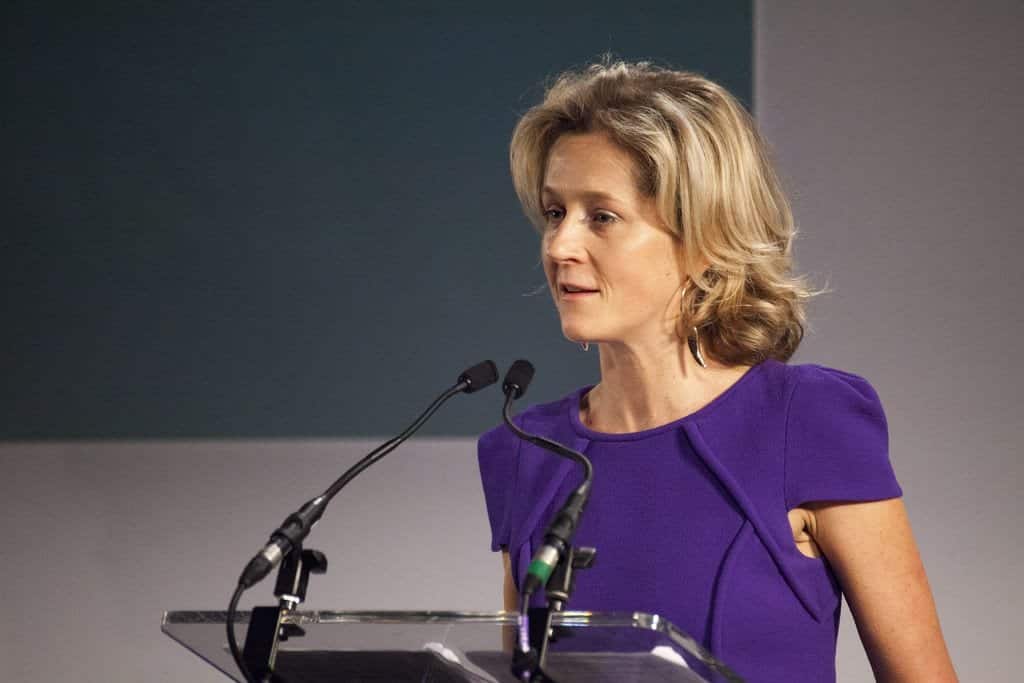
“The growth of the internet is the industrial revolution of our time and unless women are at the forefront of it we will go backwards,” internet entrepreneur and crossbench peer Martha Lane Fox warned in 2015. More than a decade on, that warning still matters. Women are now central to the internet economy as users, consumers and creators in the UK, yet they remain underrepresented among the people designing, building and leading the digital economy. That is why female leadership in the digital age remains a pressing issue for UK women founders and the wider economy.
In the UK, women make up roughly half the workforce but only around 22% of the tech workforce, according to BCS data from 2024. The gap widens at senior level, where women remain underrepresented among technology directors and chief technology officers, and all-female founder teams receive only around 2% of UK equity investment. This is not simply a tech-sector problem. Digital capability now underpins leadership in every industry, from finance and healthcare to retail and manufacturing.
That makes it an economic imperative, not just an equality issue. Diverse leadership teams are more likely to spot risks, design inclusive products and reach broader markets. The 2019 Alison Rose Review of Female Entrepreneurship found that women-led businesses already contribute an estimated £85 billion to the UK economy, and that closing the gender entrepreneurship gap could add up to £250 billion. In a digital economy where products and services shape how we work, shop, bank and access public services, excluding women from decision-making means building a future that works for only half the population.
Since Martha Lane Fox’s warning, a number of initiatives have emerged to address the imbalance. The Tech Talent Charter, WISE Campaign, STEMettes, Coding Black Females, Ada Lovelace Day and Tech She Can are all working to attract, retain and promote women in digital roles. Progress, however, has been uneven. More girls are studying computing than a decade ago, but they still represent a minority at GCSE and A-level, and the proportion of women moving into senior technical and investment roles remains stubbornly low. You can read more about the current state of women in technology in our guide to Women in Tech Jobs UK 2026: Progress, Pay Gaps and Pathways.
What female leadership in the digital age needs to change
Embed digital skills for girls and women from the start
Digital literacy needs to be treated as a core life skill, not an optional extra. Schools, colleges and universities should ensure computing is presented as creative and relevant, while employers and government schemes must support mid-career returners and women switching into tech. Programmes such as digital skills bootcamps, apprenticeships and retraining initiatives are essential if the UK is to fill persistent technology vacancies and build a genuinely diverse talent pipeline. For women returning after a career break, our guide to Career Returner Women UK: How to Restart in 2026 sets out practical steps.
Open up investment and founder networks
Investment decisions are still made by overwhelmingly male partners, and research shows investors tend to back people who remind them of themselves. The British Business Bank’s 2024 data shows that all-female founder teams receive only around 2% of UK equity investment, while mixed-gender teams receive roughly 11%. Closing this gap requires more female angel investors, more women on investment committees, and funds that explicitly back women-led digital ventures. If you are building a tech business, our resources on the Female Founder VC Funding Gap and British Business Bank: New Funding Rules for Women Founders can help you navigate the landscape.
Tackle unconscious bias and workplace culture
The technology industry is not necessarily overtly sexist, but it is shaped by entrenched assumptions about who belongs in technical or leadership roles. From job descriptions and interview panels to promotion criteria and pay bands, organisations need to audit their processes for bias. Simple changes such as gender-balanced shortlists, structured interviews, transparent pay scales and sponsorship programmes can have a measurable impact on progression. Our guide to Gender Pay Gap Reporting 2026 explains how to identify and act on pay disparities.
Use targets, accountability and visible role models
Voluntary board targets have helped push women’s representation on FTSE 350 boards above 40%, according to the FTSE Women Leaders Review 2024, showing that what gets measured gets done. Similar accountability is needed for tech leadership pipelines, venture portfolios and public-sector digital programmes. At the same time, the media and industry events must do more to showcase women leading digital transformation, so that the next generation can see themselves in those roles. Our article on Board Diversity May Be Blocking Women’s Path to CEO explores how targets and sponsorship can accelerate change.
Why AI makes this moment critical
The next wave of digital change, artificial intelligence, automation, data-driven services and the green transition, will shape society for decades. If women are not at the heart of designing and leading that change, we risk embedding old inequalities into new systems. Products and services trained on biased data, or built by homogeneous teams, often fail women and minority groups. Female leadership in the digital age is not a nice-to-have; it is essential to building an economy that works for everyone. For a closer look at how women founders are responding to AI, see Women AI Leadership UK: Female CTOs in UK Tech (2026) and The AI Gender Gap: Why Women Entrepreneurs Fall Behind.
Action steps
- Audit your own digital skills gap and identify one bootcamp, apprenticeship or retraining route to close it.
- Review your recruitment, promotion and pay processes for bias, using structured interviews and transparent criteria.
- Build relationships with female investors, mentors and peer networks before you need funding.
- Set measurable targets for women in leadership and technical roles, then publish progress regularly.
- Champion visible role models in your organisation and industry events.
Female leadership in the digital age is about more than representation. It is about ensuring the technologies that define our future are built by, and for, the whole population.