Remote working UK arrangements are now a permanent feature of the labour market, not a temporary experiment. According to ONS Labour Force Survey data from 2024, around 13% of UK workers were based entirely at home and roughly 27% worked in a hybrid pattern. For women running businesses, freelancing, or managing teams from a home office, the shift brings freedom but also distinct legal, financial, and wellbeing risks. Here is what to watch and how to manage it.
Remote Working UK: Your Core Rights and Responsibilities
The Employment Relations (Flexible Working) Act 2023 came into force in April 2024, giving employees a day-one right to request flexible working. Employers must consult with the worker before refusing, and employees can make two statutory requests in any 12-month period. If you employ staff, you need a process for handling requests fairly and promptly. If you are an employee or contractor negotiating terms, understanding this framework helps you ask for what you need with confidence. ACAS provides a statutory code of practice on handling these requests. For a fuller breakdown, see our guide to flexible working rights UK 2026.
Sort Your Home Working Expenses and Tax Position
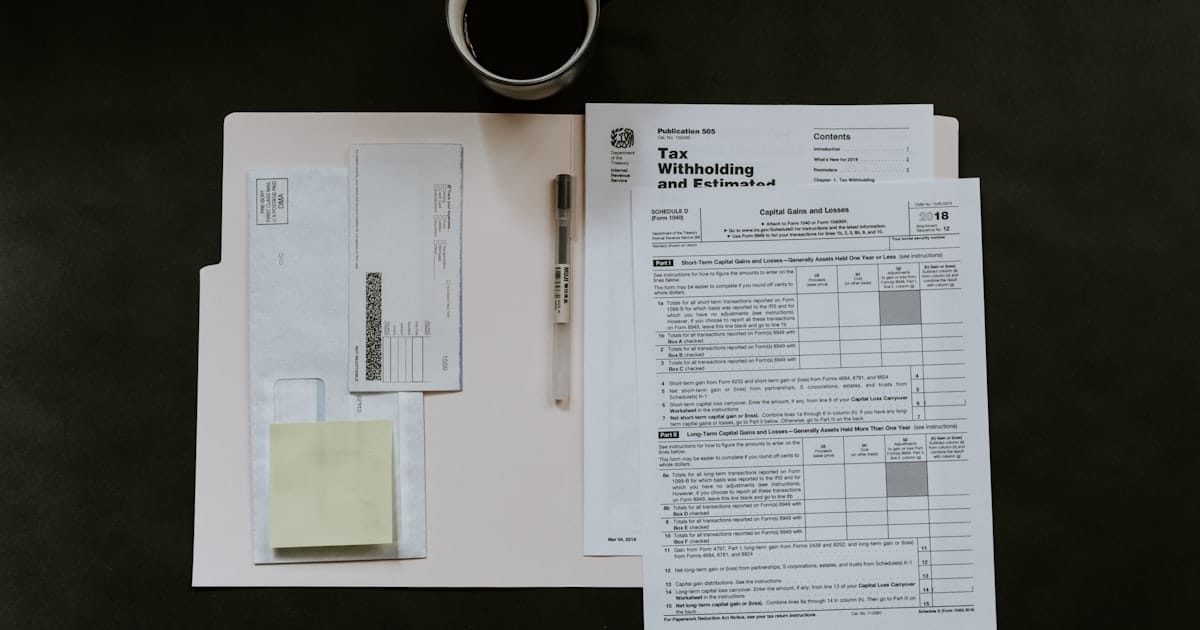
Tax treatment depends on your employment status. Self-employed people can use HMRC simplified expenses to claim a flat rate for working from home. The rate is £10 per month for 25 to 50 hours of business use, £18 per month for 51 to 100 hours, and £26 per month for 101 hours or more. Alternatively, you can claim a proportion of actual heating, lighting, cleaning, telephone, and broadband costs based on business use.
Employees can only claim tax relief on home working expenses if their employer requires them to work from home. The flat rate is £6 per week. If you run a limited company, the rules differ again, and you should record any reimbursements properly.
From April 2026, Making Tax Digital for Income Tax Self Assessment begins for sole traders and landlords with turnover above £50,000. You will need compatible software to keep digital records and submit quarterly updates. Our Making Tax Digital sole trader 2026 checklist for women explains the deadlines. For a complete overview of tax obligations, see Self Employed Tax UK: A Complete Guide for 2026/27.
Protect Data and Devices
When you work remotely, you become the IT department and the security team. The National Cyber Security Centre advises homeworkers to use strong passwords, multi-factor authentication, encrypted storage, and up-to-date software. If you handle client or customer data, you must also comply with UK GDPR.
Avoid storing sensitive files on personal devices or sharing them through consumer messaging apps. Use a business-grade virtual private network if you access company systems from public Wi-Fi, and keep a separate backup of critical files. A single breach can destroy client trust and trigger an Information Commissioner’s Office investigation.
Manage Loneliness and Boundaries
Remote work can blur the line between home and work. Isolation and poor boundaries are common complaints among homeworkers. The Mental Health Foundation and ACAS both highlight the importance of routine, regular contact, and a clear end to the working day. Set fixed start and finish times, take a proper lunch break away from your desk, and create a dedicated workspace if possible.
Schedule regular contact with clients, colleagues, or peers. Women-led business networks can provide accountability and support as well as referrals. If you employ staff, check in on their wellbeing and make sure they know how to raise concerns. For broader context on the UK women in business landscape, see Women in Business: Key UK Facts.
Stay Visible and Keep Learning
Out of sight can mean out of mind. Document your wins, share updates with clients or managers, and ask for feedback. Self-directed learning becomes essential when you do not have colleagues nearby to learn from. The Open University, local growth hubs, and sector bodies such as the Federation of Small Businesses offer training resources that can help you keep skills current without a big training budget.
Check Your Insurance and Employer Duties
If you employ people who work from home, Health and Safety Executive guidance says you still have health and safety responsibilities. You should carry out a risk assessment that covers their home workstation, electrical equipment, and stress. Your employer’s liability insurance must cover remote staff, and you should check that your public liability and professional indemnity policies are valid for home-based work.
If you pay staff, remember that the National Living Wage rose to £12.21 per hour from April 2025 for workers aged 21 and over. The rate for 18 to 20-year-olds is £10.00 per hour. See our guide on National Living Wage £12.21: what women founders pay.
Take These Practical Steps for Remote Working UK
- Check your employment status and claim the correct home working expenses through HMRC.
- Review your flexible working policy or request against the 2024 statutory framework.
- Secure devices using National Cyber Security Centre guidance and back up critical data.
- Set fixed hours and a dedicated workspace to protect your mental health.
- Prepare for Making Tax Digital if your turnover is above £50,000.
Remote working UK offers real flexibility, but it also shifts responsibility onto you. Get your rights, expenses, tax, cybersecurity, and wellbeing systems in place, and the arrangement becomes a genuine asset rather than a source of stress. Review your setup every quarter, because rules, rates, and risks all change.