Making your food business environmentally friendly is not only the right thing to do—it can also strengthen your brand, attract eco-conscious customers and reduce running costs. In the UK, the food system is responsible for around a third of the country’s total greenhouse gas emissions when farming, land use and supply chains are included, and hospitality businesses alone throw away an estimated 1.1 million tonnes of food each year, according to WRAP. That waste costs the sector around £3.2 billion annually and adds unnecessary pressure to landfill and anaerobic digestion facilities. The good news is that small, practical changes can add up quickly. Here are proven ways to make your food business greener while staying compliant with UK regulations.
Switch to Eco-Friendly Cleaning Products
Commercial kitchens get through large volumes of detergents, degreasers and sanitisers. Switching to eco-friendly, biodegradable cleaning products reduces the chemicals entering the water system and can improve air quality for staff. Look for UK-recognised certifications such as the EU Ecolabel, Cradle to Cradle, or products that meet DEFRA guidance on reducing environmental impact. Buying concentrated refills in bulk also cuts plastic packaging and transport emissions. Start by auditing the products you use daily—oven cleaners, surface sprays and hand soap—and replace them with plant-based or enzyme alternatives.
Cook Menu Items by Season
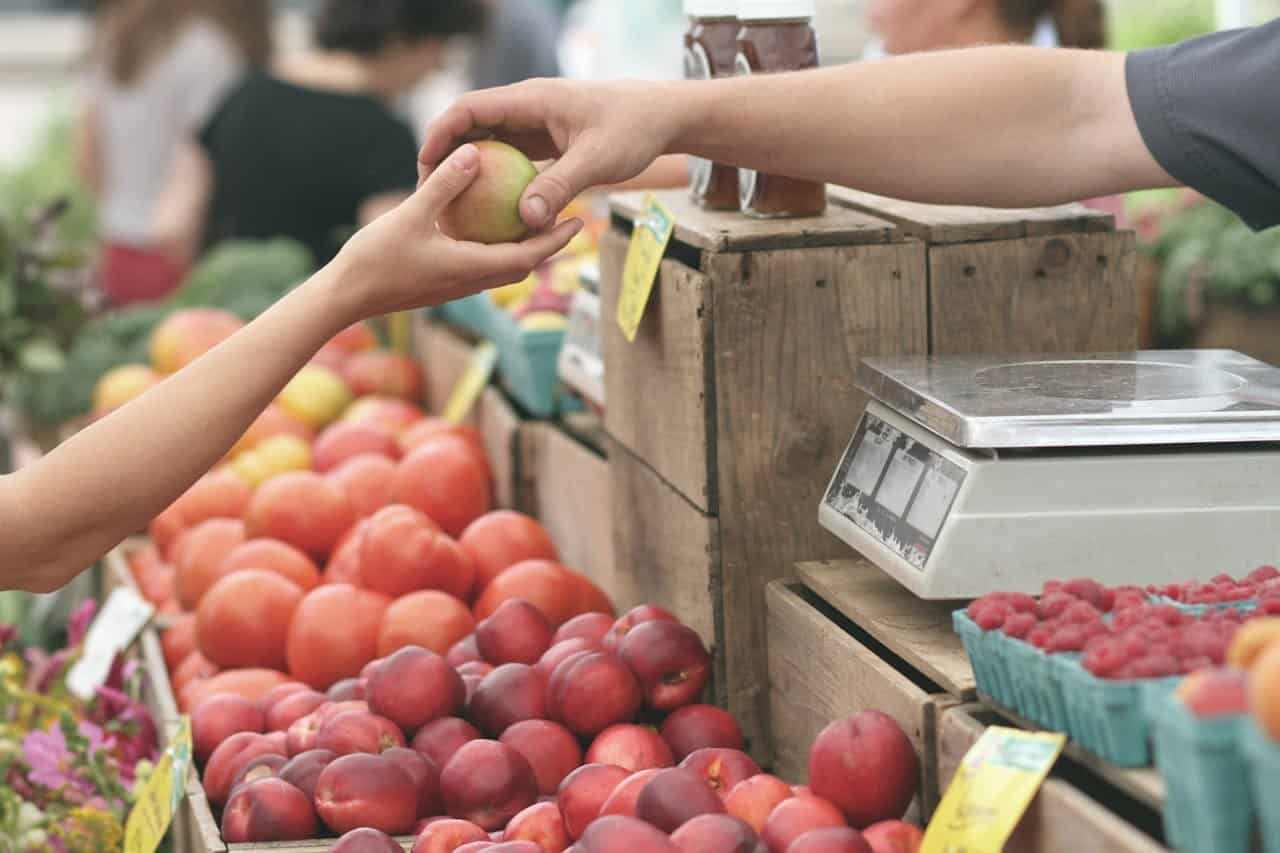
Seasonal menus reduce food miles, support British growers and often lower ingredient costs because produce is abundant. When asparagus, berries, squash or root vegetables are in season in the UK, they require less refrigeration, less artificial heating and fewer imports than out-of-season alternatives. Highlighting seasonal specials also signals to customers that you care about provenance. Review your menu quarterly and build dishes around what British suppliers can offer at that time of year.
Invest in Energy-Efficient Equipment
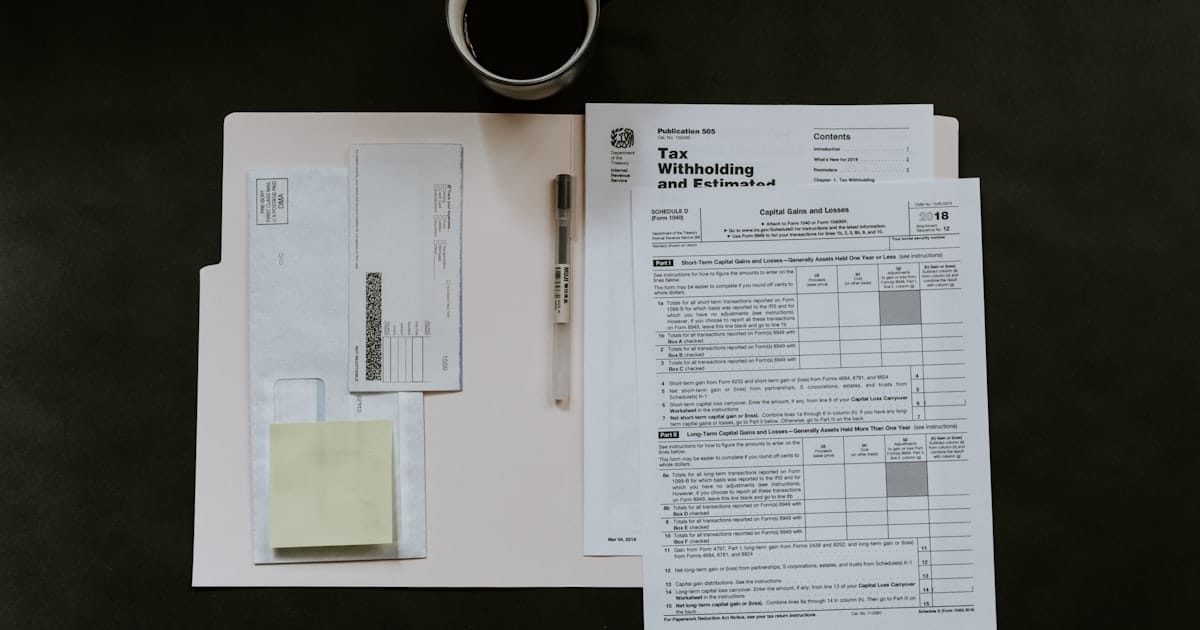
Kitchen equipment accounts for a large share of a food business’s energy use. Replacing old appliances with energy-efficient models can cut electricity bills and carbon emissions. In the UK, look for the highest rating on the current UK energy label, and check whether your purchase qualifies for tax relief. The government’s full expensing and Annual Investment Allowance schemes allow businesses to deduct the cost of qualifying plant and machinery, including energy-efficient equipment, from profits before tax. You may also be able to access advice from the Energy Saving Trust and your local council’s sustainability team.
Cut Food Waste with Recycling and Composting
Food waste is one of the biggest environmental issues facing hospitality. WRAP estimates that around 75% of food waste in the sector is avoidable, yet many businesses still send it to landfill where it produces methane. Start by measuring what gets thrown away, then adjust portion sizes, prep practices and stock rotation. For unavoidable waste, set up a composting system or arrange a commercial food waste collection. Many UK councils and private contractors offer food waste collections for businesses, turning scraps into compost or biogas. Used coffee grounds can be offered free to customers as garden mulch, and raw vegetable peelings can fertilise a kitchen garden if you have outdoor space. Separating waste streams properly also reduces landfill tax and disposal costs.
Ditch Single-Use Paper and Plastic
Single-use items are a major source of waste in cafes, restaurants and takeaways. The UK Plastic Packaging Tax is currently £223.69 per tonne on plastic packaging that does not contain at least 30% recycled content, so switching to recycled or reusable alternatives can also protect your margins. Where possible, replace paper napkins with cloth, use refillable condiment dispensers instead of sachets, and choose packaging made from recycled or compostable materials. For takeaway businesses, encourage customers to bring their own containers by offering a small discount, and avoid over-packaging.
Choose Reusable Serving Equipment
Reusing is almost always better than recycling. Washable plates, glasses, cutlery and serving dishes have a far lower lifetime environmental impact than disposables, even if those disposables are recyclable or compostable. If you run events or catering, consider investing in durable serveware rather than relying on single-use items. For customers who need takeaway options, promote reusable cup or box schemes—many UK coffee shops already offer discounts for customers who bring their own cup, which builds loyalty while cutting waste.
Source from Local UK Suppliers
Buying from local farmers, bakers, brewers and producers reduces transport emissions and keeps money in your community. It also gives you a compelling story to share with customers. While not every ingredient can be sourced locally, focusing on staples such as bread, dairy, meat, vegetables and drinks can make a measurable difference. When choosing local suppliers, ask about their environmental policies, packaging choices and animal welfare standards. Building relationships with local producers can also lead to better prices, flexible ordering and shorter supply chains that are less vulnerable to disruption.
Becoming an environmentally friendly food business does not require a complete overhaul overnight. Start with one or two changes—whether that is switching to eco-friendly cleaning products, introducing a food waste audit, or sourcing one key ingredient locally—and build from there. Track your progress, share your sustainability story with customers, and review your suppliers and practices regularly. Over time, these steps will lower your costs, reduce your environmental impact and show your customers that your business is committed to a greener future.