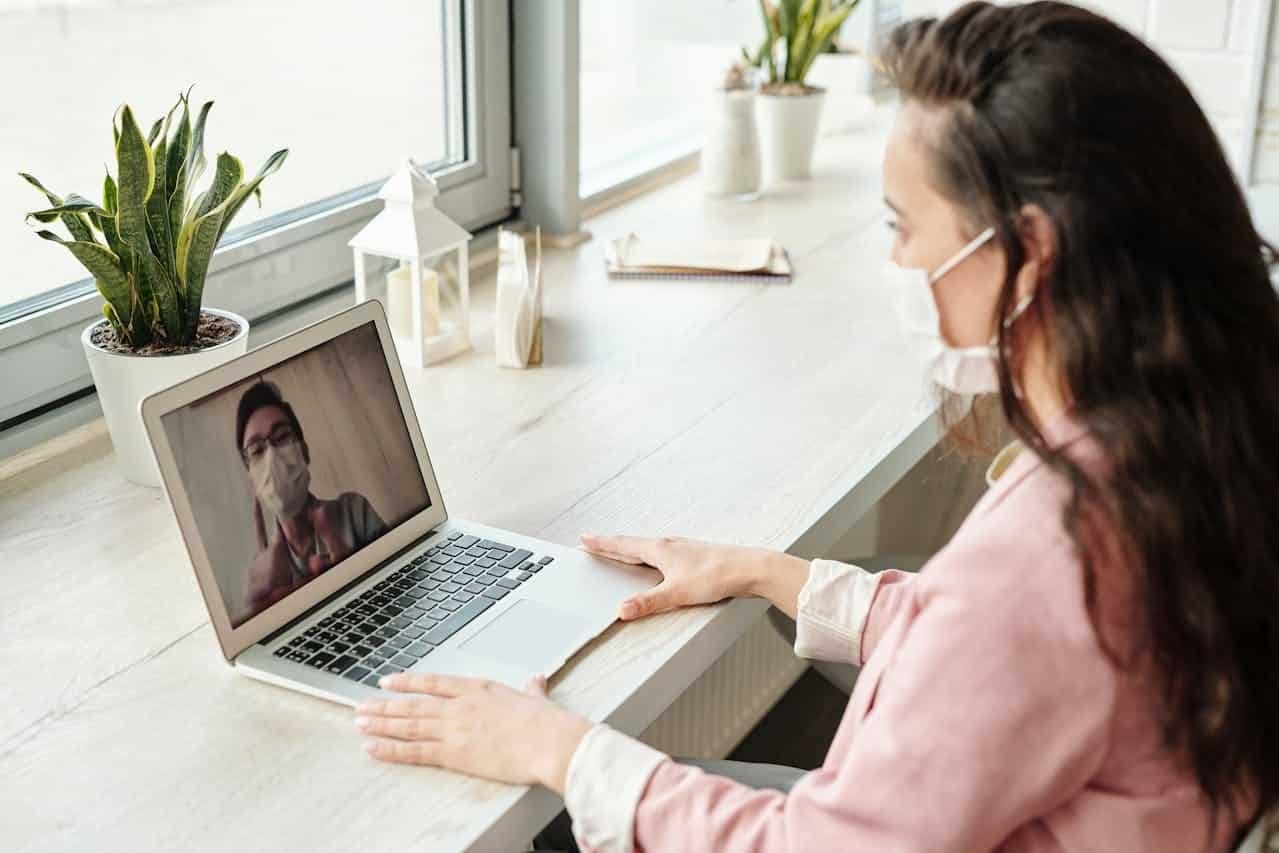
For women running a business, business networking in the UK remains one of the most direct routes to new clients, useful introductions and practical peer support. The format has changed since the pandemic-driven shift to video calls, but the principle has not: people still buy from people. In 2026, it is less about choosing between online and in-person events, and more about combining the two deliberately while using AI to cut through the noise.
The state of business networking in the UK
Despite the rise of digital marketing, personal relationships remain a primary source of work for small businesses. This is especially important for women founders, who continue to face structural barriers when raising growth capital. The British Business Bank’s Small Business Finance Markets 2024 report found that all-female founder teams received just 2% of UK equity investment. Strong networks can partially offset that gap by opening doors to warm introductions, non-executive directors and alternative funding routes.
The scale of women-led enterprise in the UK is substantial. The Alison Rose Review of Female Entrepreneurship, published by HM Treasury in 2023, found that 1.6 million women-led businesses contribute around £85 billion to the economy each year. The same review estimated that closing the gender entrepreneurship gap could add up to £250 billion in economic value, and noted that only 13% of high-growth enterprises are led by women. For individual founders, those numbers translate into a clear opportunity: the better connected you are, the more likely you are to find the resources that help you scale. For a broader picture, see our Women in Business: Key UK Facts page.
Hybrid events are now the default
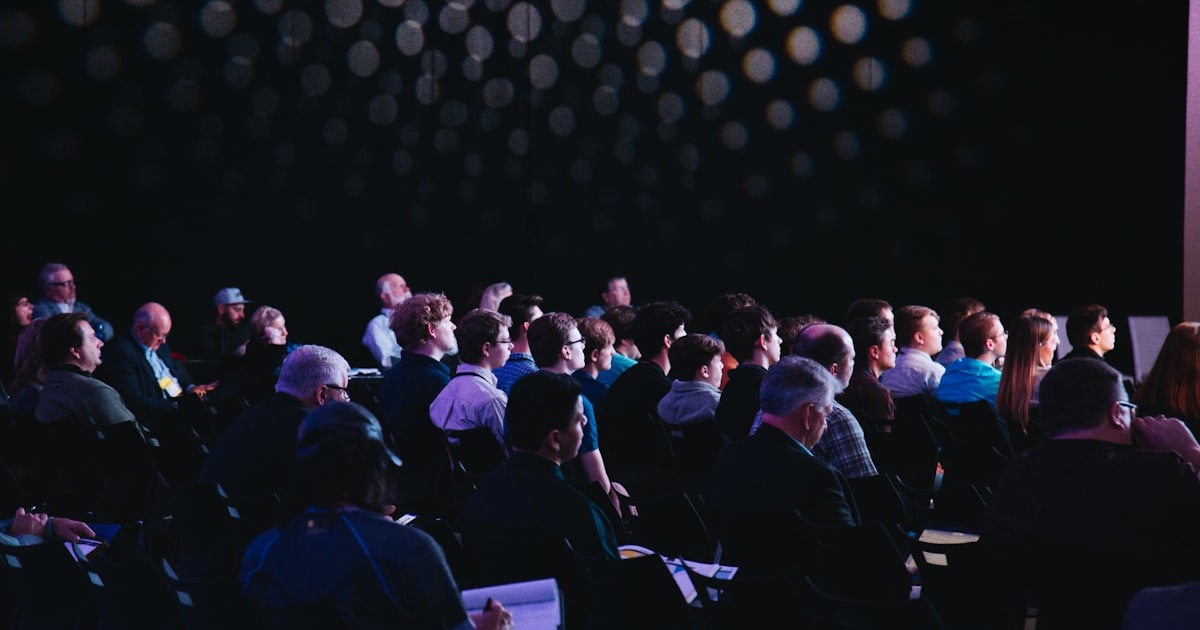
Physical networking did not disappear after lockdowns ended, but it is no longer the only credible format. Most established UK organisers now run events with both an in-person audience and a digital attendance option. Regional chambers of commerce, sector bodies and women’s business networks commonly host breakfast meet-ups with livestreaming, while national conferences use apps, breakout rooms and on-demand recordings to keep delegates connected before, during and after the event.
This hybrid model matters for women who combine business with caring responsibilities, health needs or location constraints. An online option removes travel time and childcare costs, making it possible to access speakers and mentors that would otherwise be out of reach. It also reduces the environmental and financial cost of attending every conference in person, which is important when small businesses are still managing tight margins.
AI is changing how connections are made
Artificial intelligence is moving networking beyond simple video calls. Event platforms now use AI-powered matchmaking to suggest attendees based on sector, interests and stated goals. Some tools can schedule one-to-one meetings automatically, recommend conversation prompts and summarise follow-up actions. For time-poor founders, this can turn a crowded conference into a shortlist of relevant conversations.
However, AI works best as a filter, not a replacement for human judgement. The most valuable introductions still come from shared context, genuine curiosity and a willingness to help before asking for anything. Used well, AI can reduce the administrative burden of networking and free up time for the conversations that actually build trust. For more on how women founders are navigating technology leadership, see our article on Women AI Leadership UK: Female CTOs in UK Tech (2026).
Authenticity beats the hard sell
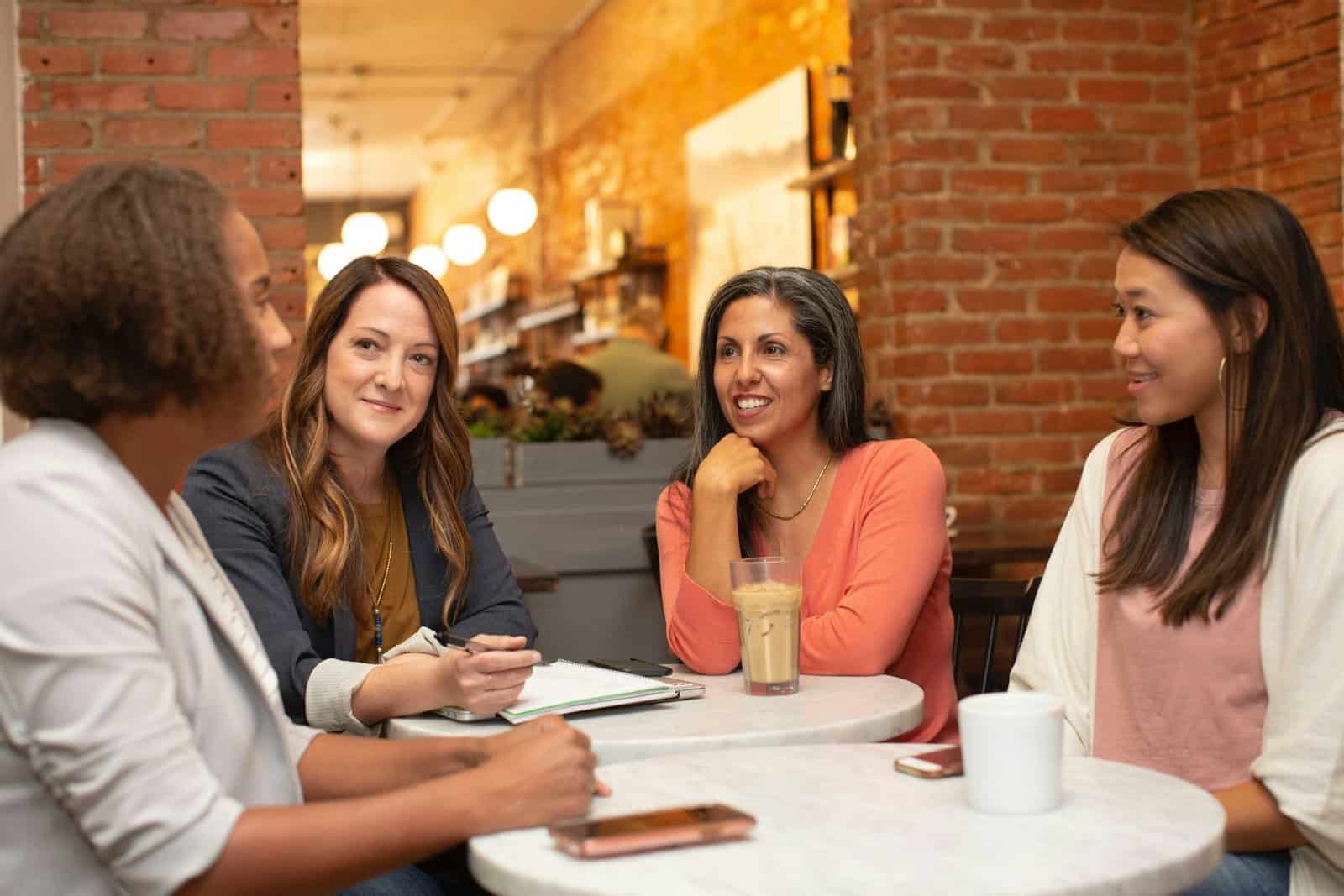
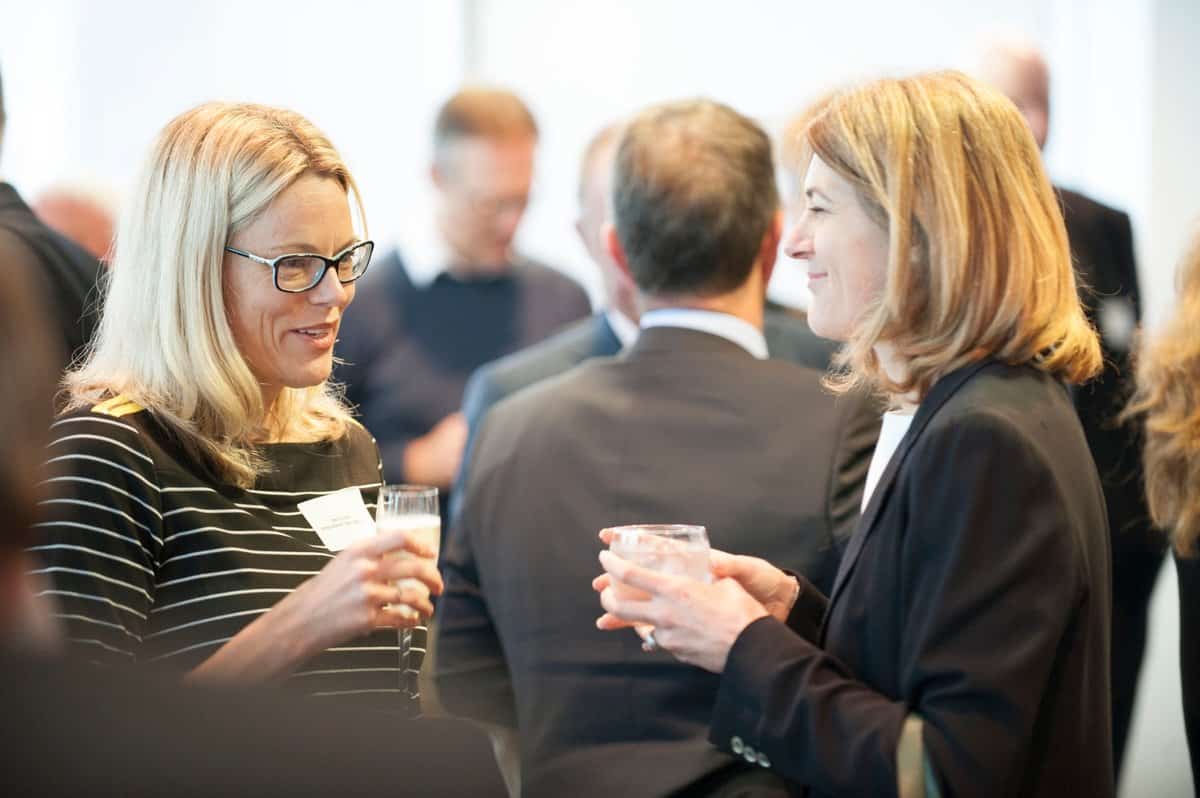
Whether you meet someone on LinkedIn, at a local coworking space or in a conference breakout room, the fundamentals of good networking have not changed. The most effective networkers focus on giving before they ask: sharing advice, making introductions and showing a genuine interest in other people’s challenges. A transactional, pitch-heavy approach tends to fail quickly, especially online where attention is short and trust is built slowly.
Finding the right community is equally important. A large, generic event can feel overwhelming, whereas a smaller group aligned with your values and sector often delivers better results. For women entrepreneurs, networks such as Forward Ladies, The Women’s Organisation and AllBright offer spaces designed specifically to address the barriers women face in business. The principles remain the same wherever you meet: be curious, be generous and follow up.
How to build a networking habit that works
With so many options available, the challenge is no longer access but focus. Start by identifying what you want from networking: new clients, peer support, industry knowledge, or visibility? Then choose two or three channels that fit your goals and schedule, rather than trying to be everywhere.
- Be selective. Prioritise events and groups where your ideal contacts actually spend time.
- Show up consistently. Relationships develop over repeated interactions, not a single exchange of business cards.
- Follow up promptly. A short, personalised message after a meeting is often where the real value begins.
- Give value first. Share useful resources, make introductions and offer help before asking for anything.
- Embrace both formats. Use online networking for reach and efficiency, and in-person meetings for deeper connection.
For a curated list of communities, see our guide to Women in Business Networks UK: The Best Communities to Join in 2026.
Five action steps to strengthen your network
- Audit your current networking activity and identify the one channel that has produced the most useful contacts in the last 12 months.
- Book one hybrid or in-person event in the next quarter that aligns with your primary business goal.
- Update your LinkedIn profile and set a reminder to post or comment on sector conversations at least once a week.
- Identify one person you can introduce to another contact this month, with no immediate ask attached.
- Review your follow-up process and create a simple template for sending a personalised message within 48 hours of meeting someone new.
The future of business networking in the UK is not about technology replacing human contact. It is about using technology to make human contact more purposeful. The women founders who thrive in 2026 will be those who combine the reach of digital tools with the trust built through real conversation. Whether you prefer a video call, a conference hall or a coffee in your local coworking space, the goal remains the same: to build relationships that are useful, enjoyable and mutually beneficial.