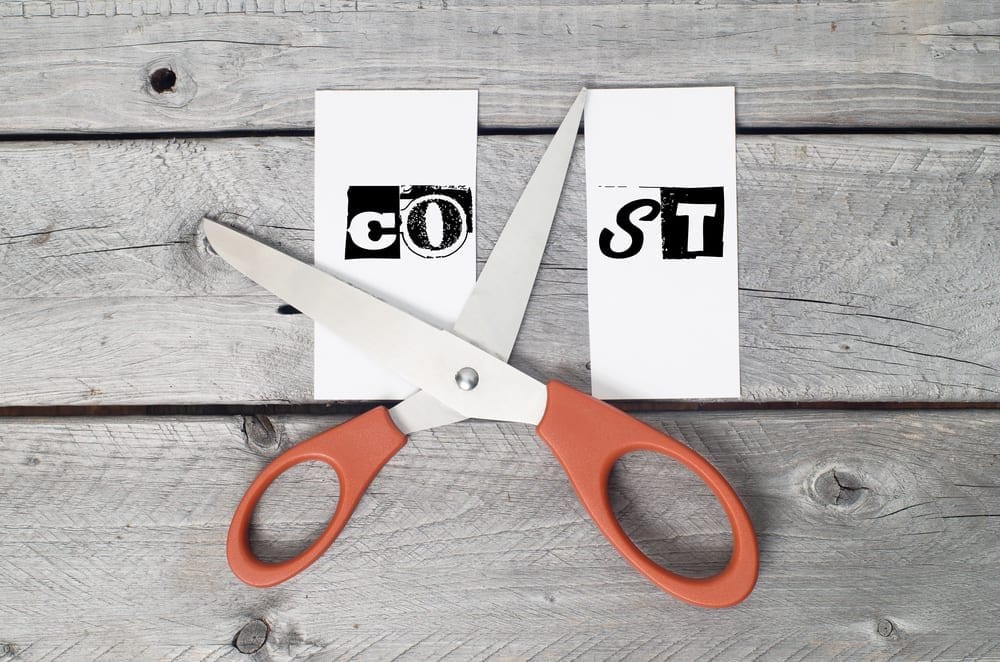
Most women running a UK small business review spending at least once a year, usually when signing off annual accounts. But the biggest gains often come from looking beyond the obvious and questioning recurring costs that have crept up unnoticed. With women making up around one-third of the UK’s self-employed workforce, according to ONS labour market data, even small reductions in overheads can free up cash for growth, training or resilience. The good news is that you do not need to slash quality or take risks to find meaningful small business savings.
Here are five practical ways to achieve small business savings without cutting corners.
Five areas to target for small business savings
1. Renegotiate contracts at renewal time
Contract renewal is the best moment to ask for a better deal. Broadband, phone, insurance, photocopier and software providers routinely reserve their lowest rates for new customers or for businesses that challenge their renewal quote. Ofcom has found that UK customers paying out-of-contract broadband tariffs can face materially higher monthly bills than those on negotiated deals, so letting a contract roll over is often the most expensive option.
Start by benchmarking your current price against competitors. Quote a rival offer, ask for a loyalty discount, or request a price freeze. If the provider will not move, switch. The worst outcome is a “no”; the likely outcome is a lower monthly bill. For women founders juggling client delivery with back-office admin, diarising renewal dates two months ahead is a simple way to stop money leaking out unnoticed. A shared calendar reminder or a line in your cash-flow forecast can be enough to trigger the conversation.
2. Get Royal Mail postage right
UK postal pricing is based on size and weight, which means a small packaging change can cut postage costs sharply. Royal Mail’s business prices show that sending an item as a large letter rather than a small parcel can save several pounds per item once volume builds. Product businesses that redesign packaging to fit the large-letter template often report the biggest single reduction in fulfilment costs.
Check the Royal Mail size guides and weigh your typical parcels. If you send regularly, consider a Royal Mail business account or compare courier options through a parcel broker. The savings multiply quickly if you post daily. This matters particularly for women-led product businesses that start from a kitchen table or spare room and post orders themselves. Swapping a padded envelope for a slim box, or removing excess filler, can be the difference between tariff bands.
3. Cut printing and paper costs
Printing is one of the most invisible drains on a small business budget. The Carbon Trust notes that automatic duplex (double-sided) printing can cut paper use by up to 50 per cent, and that printer energy and consumables often cost far more than the printer itself over its lifetime. Colour cartridges, glossy paper and overnight standby power all add up faster than most microbusinesses expect.
Set printers to black-and-white by default and use draft mode for internal documents. Review whether documents really need printing at all; cloud storage, shared drives and e-signatures remove the need for many hard copies. For home-based businesses, remember that HMRC allows certain home working expenses, but only genuine business costs should be claimed. Women running microbusinesses from home often find that going paper-first, rather than paperless, is the costlier habit. One quick win is to move invoices, contracts and meeting notes to digital workflows.
4. Use association buying power
Business associations use collective purchasing to negotiate cheaper deals on insurance, utilities, vehicle hire, training and legal helplines. Membership fees are often recovered through a single discount. The Federation of Small Businesses (FSB) and British Chambers of Commerce both offer member benefits that include reduced rates on business services, while sector-specific bodies can unlock deals tailored to your industry.
Women’s business networks and associations can add extra value beyond discounts, including mentoring, tender opportunities and introductions to buyers. Before joining, calculate the break-even point. If the annual membership costs £200 but saves £30 a month on insurance or utilities, the membership pays for itself within seven months. Look for associations that understand the sectors where women founders are concentrated, such as retail, professional services, care, creative industries and food. Some networks also run annual conferences, awards programmes and supplier directories that raise your profile while lowering your costs.
5. Switch off and save energy
A desktop computer and monitor left on outside working hours can add £50 to £100 a year to an electricity bill, based on typical UK business tariffs. The Energy Saving Trust says that switching equipment off at the end of the day and using low-energy LED lighting are among the fastest ways to reduce a small business energy bill.
Other quick wins include fitting timers or smart plugs, lowering thermostat settings by one degree, and draught-proofing windows and doors. For larger premises, the Carbon Trust and the government’s Business Energy Advice Service can provide tailored guidance on cutting consumption. Many energy efficiency improvements also qualify as allowable expenses against tax. For women founders whose business and household energy bills overlap, these habits cut costs in both places. Start with a simple walk-round at closing time: if a screen, light or charger does not need to be on, switch it off. Over a year, the combined effect of these small habits can match the saving from a much larger one-off decision.
Action steps
- Diarise renewal dates for broadband, phone, insurance, software and utilities, and request quotes from competitors two months before.
- Audit your packaging against Royal Mail’s size and weight bands to check you are using the cheapest postage option.
- Set printers to duplex and black-and-white defaults, and move one regular process to digital-only.
- Compare association membership benefits against your annual spending on insurance, utilities and professional services.
- Walk through your workspace at closing time and switch off everything that does not need to run overnight.
Small changes to recurring costs compound quickly. By tackling these five areas, you can protect margin, reduce admin stress and redirect your small business savings into the parts of your business that drive growth, whether that is marketing, training, new equipment or simply paying yourself more.