For most women running a business in the UK, a reliable internet connection is as essential as a business bank account. Yet being constantly online also exposes your company to fraudsters who exploit email, websites, payment systems and even paperwork to steal money and data. If you want to protect your small business from cyber fraud, a few low-cost habits will dramatically reduce your risk.
The threat is real and evolving. According to the UK government’s Cyber Security Breaches Survey 2025, 43% of UK businesses identified at least one cyber security breach or attack in the previous 12 months. Phishing remained the most common threat, reported by 84% of businesses affected. Meanwhile, UK Finance’s Annual Fraud Report 2025 found that fraud across payment cards, remote banking and authorised push payment (APP) scams cost UK businesses and consumers around £1.1 billion during 2024. The good news is that most attacks are not sophisticated; they succeed because basic defences are missing.
Whether you run a micro-business from home or employ a small team, here are six practical ways to keep your business safe from virtual fraudsters.
The current threat to UK small businesses
Small firms are not too small to notice. The Cyber Security Breaches Survey 2025 found that 32% of businesses that identified breaches were attacked at least once a week. For micro and small businesses, the average cost of a single breach was £1,205, while medium and large firms faced an average bill of £10,830. These figures do not include the hidden costs of lost time, damaged reputation or lost customers.
Women-led businesses are disproportionately likely to be micro-businesses or sole trader operations, which often lack dedicated IT support. That makes simple, consistent habits especially valuable. For context on the scale of women-run enterprise in the UK, see our Women in Business: Key UK Facts page.
Six ways to protect your small business from cyber fraud
1. Secure how you pay and get paid
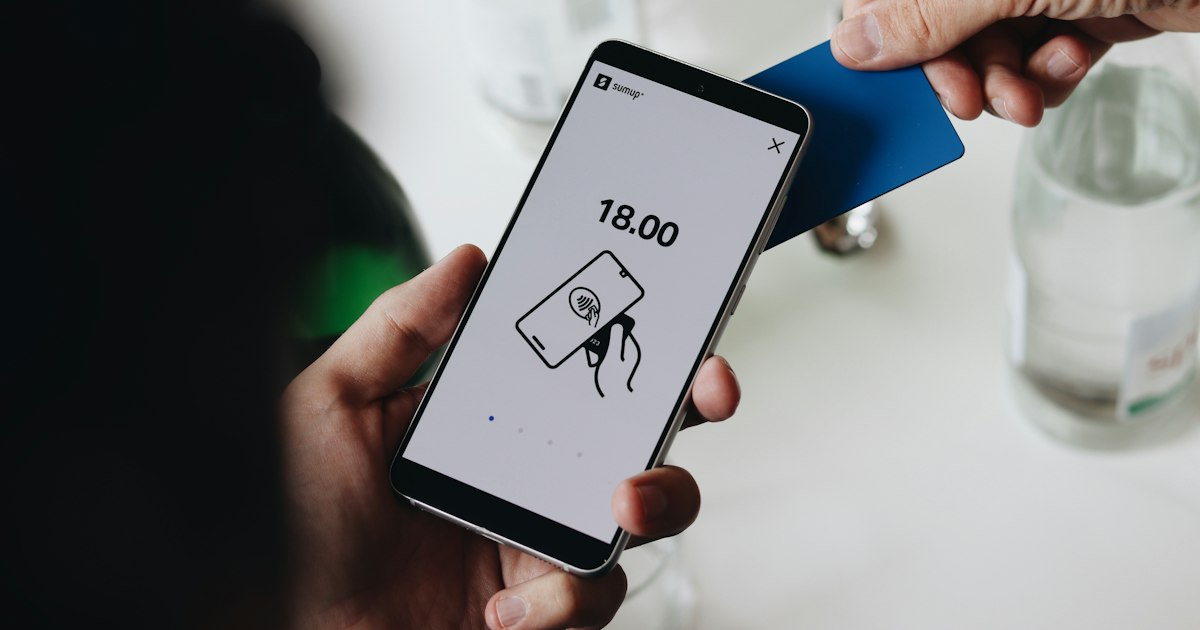
Online transactions are a prime target for criminals. Invoice fraud, CEO fraud and APP scams trick businesses into sending money to a fraudster’s account. Always verify payment requests using a known phone number, not one from the email itself. If your bank offers Confirmation of Payee, use it: it checks the name on the account you are paying.
If you sell online, use a reputable payment service provider and make sure your checkout meets the Payment Card Industry Data Security Standard (PCI DSS). Avoid asking customers to send card details by email, and never store the three-digit security code. Since 7 October 2024, the Payment Systems Regulator’s mandatory reimbursement rules have required payment service providers to refund victims of APP scams in most cases, but prevention is still far cheaper than recovery.
For impartial advice on spotting payment scams, see the Take Five to Stop Fraud campaign and report losses to Action Fraud.
2. Resist phishing and suspicious messages
Phishing emails, texts and social media messages often look genuine and play on urgency or fear. A single clicked link can hand over passwords, install malware or open the door to ransomware. Treat every unexpected message with caution, especially those asking for passwords, bank details or urgent payments.
Never give away sensitive information to anyone who contacts you out of the blue, even if they claim to be from your bank, HMRC or a supplier. If in doubt, contact the organisation directly using details from its official website. You can also forward suspicious emails to the National Cyber Security Centre’s Suspicious Email Reporting Service at [email protected], and suspicious texts to 7726.
3. Keep devices and software up to date
Outdated software is one of the easiest ways for criminals to break in. Make sure computers, phones, tablets and routers are set to install security updates automatically, and keep anti-virus and anti-malware protection active on every device. Do not open attachments or click links in emails you were not expecting, even if they appear to come from someone you know.
USB drives and external hard disks can carry malware, so limit their use and scan them before opening files. Back up your important data regularly to a separate location or cloud service so that ransomware or hardware failure does not shut you down. If your team works from home, our guide on How to Secure Your Remote Work Environment in 2026 has additional device and network advice.
For a recognised baseline of protection, consider the NCSC’s Cyber Essentials certification. It covers five technical controls and can help you bid for government contracts.
4. Protect your website and customer data
Your website is often the public face of your business, and an insecure site can damage both your finances and your reputation. Keep your content management system, plugins and themes updated, and remove any you no longer use. Use strong, unique passwords for every account and consider a password manager so you do not have to reuse credentials.
Make sure your site uses HTTPS encryption, shown by the padlock symbol in the browser address bar. This protects customer data during transactions and is also a positive signal for search engines. If you collect personal data, you must comply with UK GDPR and the Data Protection Act 2018; the Information Commissioner’s Office publishes free guidance for small businesses.
5. Take care offline too
Many frauds begin with information gathered the old-fashioned way. Sensitive paperwork thrown in the bin can be used for identity theft or social engineering, so shred anything containing personal, financial or customer data before disposal. Keep physical devices locked away when not in use and restrict access to files and systems to those who genuinely need them.
People are a vital part of your defences. Take up references for new employees and contractors, include cyber security in inductions, and have a clear process for removing access when someone leaves. Since 2025, Companies House has tightened identity verification for directors and people with significant control, which helps reduce the risk of fraudulent company appointments. Our guide on Companies House Identity Verification: What Every Female Director Must Do Now explains what this means for you.
6. Keep up with the scammers
Cyber criminals constantly change tactics, from AI-generated phishing messages to fake investment schemes and bogus government grants. Staying informed is one of the best defences. Sign up for free alerts from Action Fraud, the National Cyber Security Centre and UK Finance, and brief your team whenever a new scam is circulating.
It also helps to have a basic incident response plan: know who to contact, how to freeze accounts, how to report fraud and how to restore data from backups. If you do fall victim, report it promptly to Action Fraud (or Police Scotland if you are based in Scotland) and your bank. Quick action can limit the damage and may help recover funds.
What to do if your business is targeted
Even with strong habits, fraud can still happen. Your first priorities are to stop the loss, preserve evidence and notify the right people. Contact your bank immediately if money has left your account, report the incident to Action Fraud, and change any compromised passwords. If customer data is involved, you may need to notify the Information Commissioner’s Office within 72 hours under UK GDPR.
After the immediate response, review what went wrong and update your checks. One breach is a warning; the same breach twice is a pattern you can prevent.
Cyber security does not have to be expensive or technical. By making these habits part of your everyday business routine, you can protect your small business from cyber fraud, safeguard your income and keep your customers’ trust. Start with one change this week, add another the next, and build a defence that grows with your business.