Starting a business from home is one of the most accessible ways for women in the UK to move into self-employment. If you are researching at-home business ideas for women, whether you are leaving employment, scaling a side hustle, or returning to work after caring responsibilities, a home-based venture keeps overheads low and working hours flexible. Women in Business: Key UK Facts shows that women-led enterprises are a growing force, and many begin at the kitchen table.
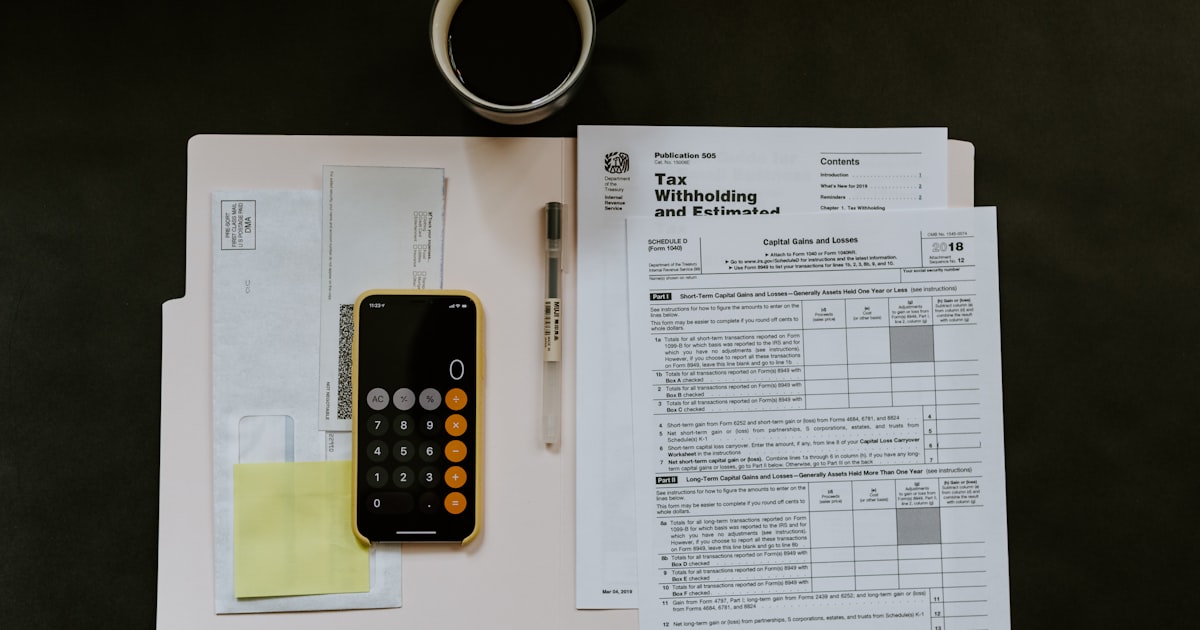
Before you choose an idea, it is worth understanding the 2026 landscape. Making Tax Digital for Income Tax Self Assessment applies from April 2026 to sole traders and landlords with turnover above £50,000, so record-keeping software is no longer optional for larger home businesses. HMRC also gives every self-employed person a £1,000 Trading Allowance each tax year before you need to register for Self Assessment.
Below are nine at-home business ideas that suit different skills, with the UK qualifications, tax points, and start-up considerations you need to weigh up.
Nine at-home business ideas to explore
1. Coaching and consultancy
If you have built specialist knowledge in management, HR, marketing, career development, or wellbeing, coaching or consultancy lets you sell that expertise from a home office. Start-up costs are usually limited to a website, professional indemnity insurance, and video-conferencing tools.
Many women coaches niche down into leadership, return-to-work, or neurodiversity coaching. You do not legally need a qualification to call yourself a coach, but accreditation from a body such as the European Mentoring and Coaching Council (EMCC) UK or the Association for Coaching can strengthen client trust. Consultants who advise on regulated areas, such as finance or data protection, should check whether they need sector-specific credentials.
2. Virtual assistant
Virtual assistants (VAs) provide administrative, diary, inbox, or social-media support to busy founders and small teams. The role suits people with strong organisational skills and suits home working perfectly. Rates vary widely by specialism and experience, so research the market before you set your fees.
To stand out, pick a niche such as supporting female founders, property professionals, or coaches. You can operate as a sole trader initially and claim home working expenses such as a portion of broadband, heating, and lighting. If your turnover is likely to exceed the £90,000 VAT threshold you must also register for VAT.
3. Online bookkeeper or accountant
Small businesses and sole traders need help with Self Assessment, VAT returns, payroll, and management accounts. If you are already qualified through ACCA, AAT, or ICAEW, an online accountancy practice can be run entirely from home. Bookkeepers do not always need a degree, but AAT qualifications and anti-money laundering supervision are important.
Accountants and bookkeepers must register with HMRC for anti-money laundering supervision if they are not already supervised by a professional body. You will also need professional indemnity insurance and should be ready for the Making Tax Digital deadlines, which affect how your clients submit records.
4. Personal trainer
If fitness is your passion, you can train clients one-to-one online, in a home studio, or outdoors locally. To be recognised in the UK, complete a qualification mapped to CIMSPA (Chartered Institute for the Management of Sport and Physical Activity) standards. Many insurers will require this.
Personal trainers are typically self-employed. You can start by training friends and family, then build a social media presence. If you employ anyone, even casually, remember your responsibilities under the Employment Rights Act timeline, including statutory sick pay and pension auto-enrolment from day one for eligible staff.
5. Online tutor
Demand for tutoring in maths, sciences, languages, and entrance-exam preparation remains strong across the UK. You can tutor via Zoom or specialist platforms and set your own hours. Rates vary by subject, level, and whether you work independently or through an agency.
If you tutor children, you may need a DBS check. While not always mandatory for private tutoring, many agencies and parents expect it. Keep records of income and expenses, and remember that the £1,000 Trading Allowance applies before you must register for Self Assessment.
6. Translation and localisation services
Fluency in two or more languages can become a home-based translation business. UK companies exporting to Europe, the Middle East, and Asia need website copy, legal documents, and marketing materials translated by humans who understand nuance and sector terminology.
Membership of the Institute of Translation and Interpreting (ITI) or the Chartered Institute of Linguists signals professionalism. You do not need a degree, but specialist areas such as legal or medical translation usually require proven expertise and appropriate insurance.
7. Freelance copywriter or content writer
Businesses need blogs, website copy, email campaigns, and case studies. If you can write clearly and meet deadlines, freelance writing is one of the cheapest home businesses to start. You need a laptop, reliable broadband, and a small portfolio website.
Copywriters often begin on platforms such as Upwork or People Per Hour, then move to direct client relationships. Rates vary widely, so track your time carefully and increase your fees as your portfolio grows. Keep track of every invoice and allowable expense; allowable expenses include software subscriptions, reference books, and a proportion of household bills.
8. Graphic designer
Brands need logos, social media assets, packaging, and pitch decks. If you are proficient in Adobe Creative Cloud, Canva, or Figma, graphic design can be run from a home studio. Clients care more about your portfolio than formal qualifications.
Consider copyright ownership in your contracts. In the UK, the creator usually owns copyright unless the contract says otherwise, so be explicit about what clients are buying. You may also want to register for VAT if your annual turnover approaches the £90,000 threshold.
9. Web designer
Every business needs a website, and many small firms prefer to hire a freelance designer rather than an agency. You can build sites using WordPress, Squarespace, Webflow, or Shopify depending on the client. Basic knowledge of HTML, CSS, and UX principles is valuable, though no-code tools have lowered the barrier to entry.
Web designers should include clear terms covering revisions, hosting responsibility, and ongoing maintenance. If you store client data, you must comply with UK GDPR and may need to register with the Information Commissioner’s Office.
Legal and tax essentials for home businesses
Once you pick an idea, get the formalities right from the start.
- Choose a structure. Most home businesses begin as sole traders. A limited company offers more protection but involves more admin and Companies House identity verification for directors.
- Register for Self Assessment. You must register with HMRC by 5 October in your business’s second tax year if your turnover exceeds the £1,000 Trading Allowance.
- Keep digital records. From April 2026, sole traders with turnover above £50,000 must follow Making Tax Digital rules. Compatible software will be essential.
- Claim home working expenses. You can use HMRC’s simplified flat rate or claim a proportion of actual costs. See home working expenses for what qualifies.
- Check planning and insurance. If clients visit your home, tell your home insurer and check whether your mortgage or lease allows business use. Some activities may need local authority permission.
Funding and support for women founders
You do not always need external funding to start a home business, but several UK schemes can help.
- Start Up Loans offer government-backed loans of up to £25,000 per director, plus free mentoring.
- The British Business Bank supports funds and lenders focused on women-founded businesses.
- Business grants for women are available regionally and sectorally, though competition is strong.
- Local Growth Hubs and women in business networks provide free advice, events, and peer support.
Practical action steps to start from home
- Audit your skills and pick one service that solves a clear problem for a specific type of client.
- Research the market rate for that service in your region and set a starting price.
- Register with HMRC if your expected turnover is above the £1,000 Trading Allowance.
- Open a separate business bank account to keep personal and business finances apart.
- Choose accounting software that is compatible with Making Tax Digital.
- Build a simple portfolio or website and start networking in your target sector.
Final thoughts on at-home business ideas
At-home business ideas for women in the UK range from coaching and virtual assistance to design, writing, and tutoring. The right choice depends on your skills, the clients you want to serve, and how much formal setup you are willing to take on. With the 2026 tax rules, funding options, and legal steps in place from day one, you can turn a home-based idea into a sustainable business.