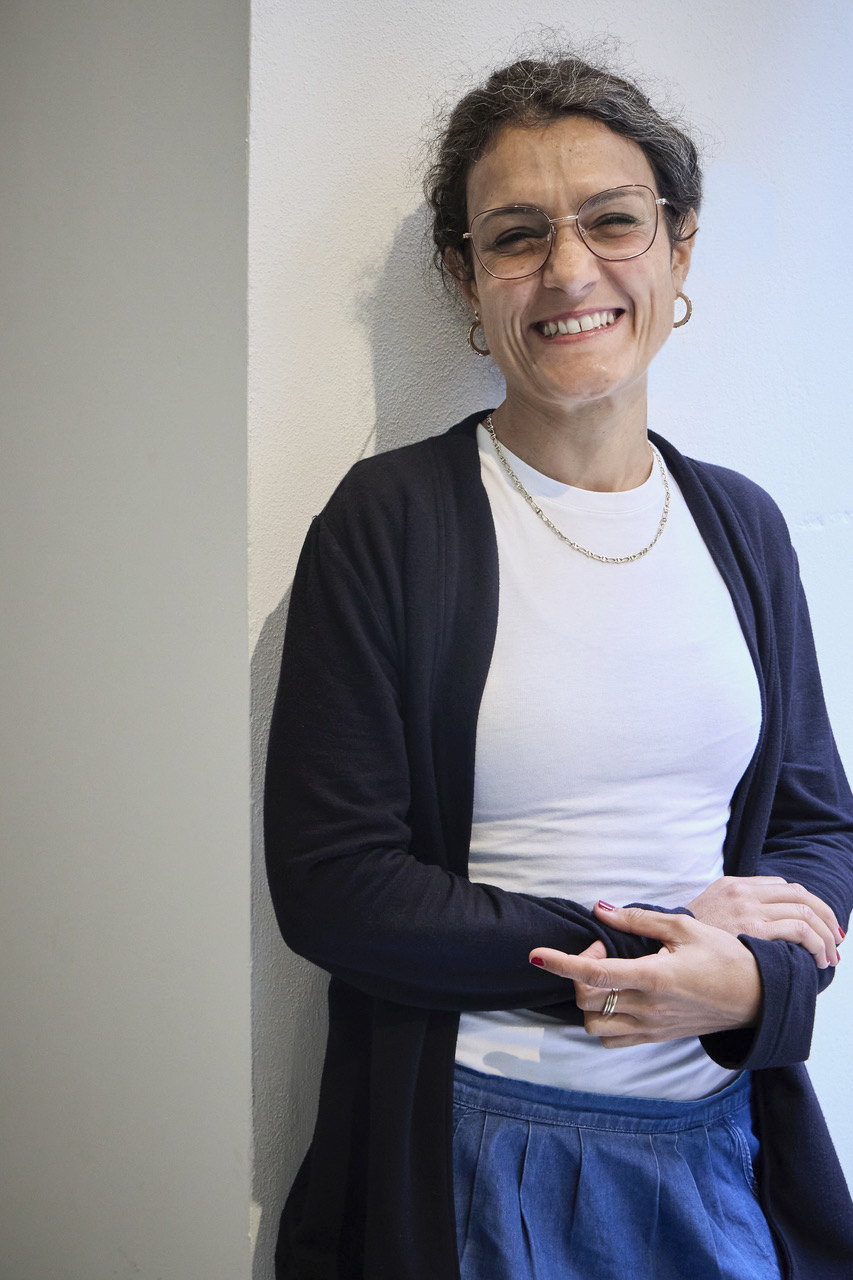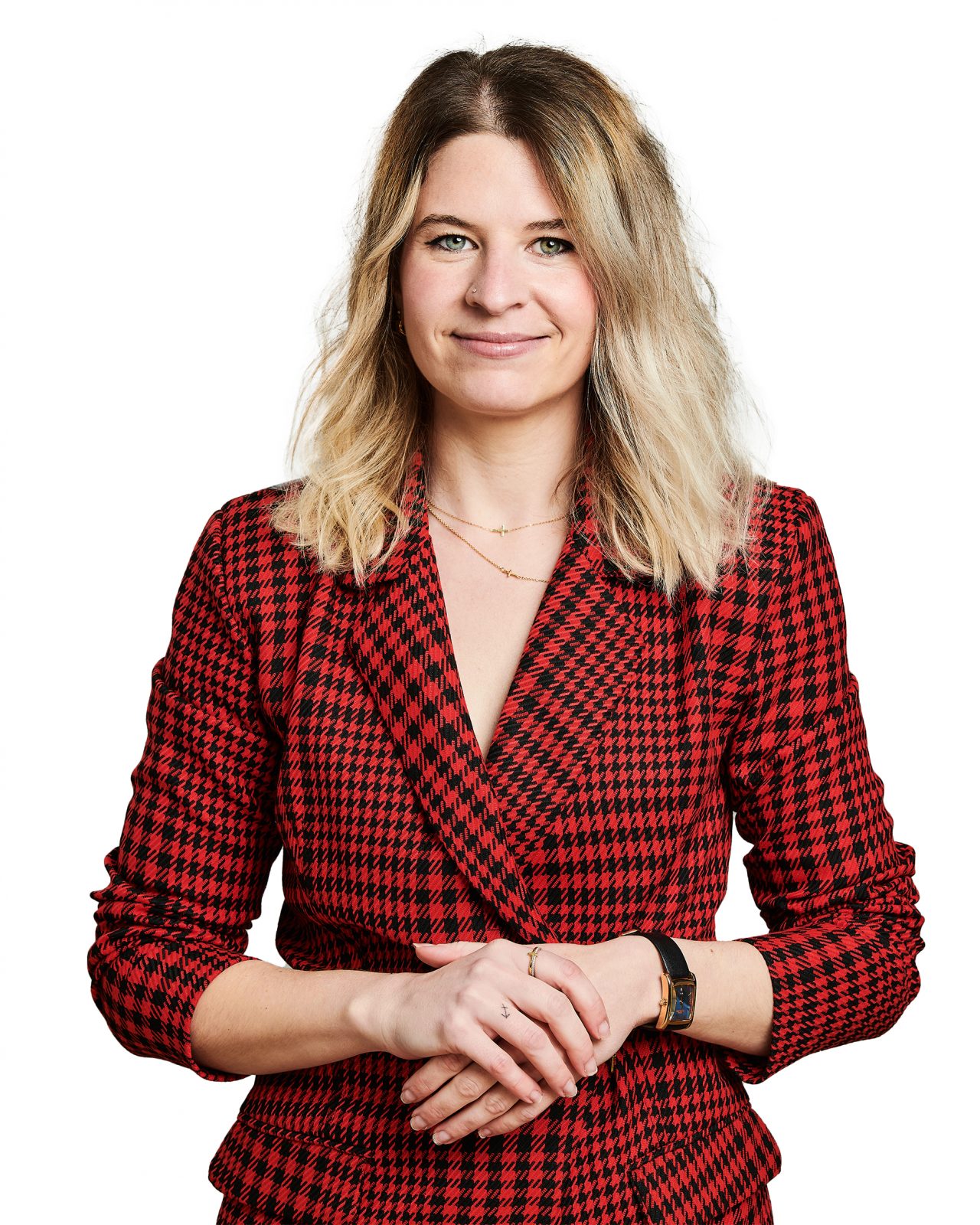
Azahara Corrales is an AI governance strategist, international speaker, and creator of the MATRIZ framework for responsible AI adoption. Her research on gender visibility in AI search, conducted with OtterlyAI, analysed 1.3 million LinkedIn citations across six AI platforms. She writes at azaharacorrales.com.
AI gender bias is usually discussed as a training-data problem. Azahara Corrales found something more specific: when six major AI search platforms are asked to name leading experts, without specifying gender, only around one in five of the LinkedIn authors surfaced are women. When she asked the same question but specified “female experts,” the share jumped to nearly 69 per cent. The expertise was always there. The algorithms simply did not surface it by default.
The study, conducted with AI search monitoring platform OtterlyAI and originally published on the Lorka AI knowledge hub, ran 42 expert-discovery prompts across eight professional sectors and six platforms (ChatGPT, Perplexity, Google AI Overviews, Google AI Mode, Microsoft Copilot and Gemini) between January and May 2026, drawing on a macro analysis of 1.3 million LinkedIn citations. The finding that matters most is not that AI ranks women lower. It is that AI does not find them in the first pass: women’s cited content earned slightly more citations per URL than men’s once surfaced. The gap is retrieval, not merit.
We spoke to her about what the finding means for women running UK businesses.
What surprised you most about that finding, and what does it mean in practice?
Honestly, part of me was surprised to be proven right. Working in the AI space, you see the divide constantly, women often hold back from asking questions in Q&As, and study after study shows fewer women actively adopting the tools. Still, you hope that when you run the data across major LLMs, the technology might actually be better than us.
What shocked me most wasn’t just that women disappear from default search results, it was discovering that the expertise already exists in the source data. The authoritative content is there, but the algorithms choose not to surface it unless a user explicitly prompts for a woman. In practice, that means AI defaults to reinforcing traditional stereotypes of authority. If we rely on AI to tell us who the industry leaders are, we end up writing women out of the narrative by default.
Why should a UK business owner care, and what can she do about her visibility?
It directly impacts how algorithms perceive and portray her credibility. There was a study in 2024 showing that when given identical neutral prompts, LLMs recommended a man named Ben for senior management roles and a woman named Julia for wedding planning. That bias translates into real-world business outcomes.
When journalists, event organisers, corporate buyers, or grant committees use AI search to scout “top leaders” or “industry experts,” women simply won’t appear unless someone explicitly searches for female founders.
As for what to do about it: play to what the algorithms actually crawl. In our research, AI heavily favored platforms like LinkedIn, particularly long-form thought leadership articles. If you want these models to recognise your expertise, don’t just rely on short posts, publish structured, long-form content on platforms the models prioritise for authority.
What does the AI usage gap mean for women’s economic participation, and is it closing?
It poses a real threat to career progression and earning power. Companies are increasingly incorporating AI literacy directly into job specifications and annual performance reviews. Recent data from McKinsey shows that businesses aren’t just demanding AI skills for technical STEM roles, they expect it across marketing, operations, HR, and administration.
If women aren’t being actively encouraged to experiment with these tools at work, the gap widens. How are women going to compete for leadership roles or secure promotions if the baseline qualification is fluency in tools they aren’t using? It’s not just about trying a trendy app, it’s about economic mobility and ensuring women aren’t quietly sidelined as workplaces transform.
If you could change one thing about how AI is built and deployed, what would it be?
I would mandate genuine diversity in the engineering teams building these models, paired with radical transparency. Currently, only about 30% of global AI talent is female. When the people designing, training, and testing a technology all share similar backgrounds, their blind spots become the system’s blind spots.
Beyond the team makeup, we need mandatory, public auditing. Right now, these models are black boxes, we don’t know the exact training data, the internal guardrails, or what safety benchmarks were passed before deployment. If we had stricter pre-release standards and mandatory user training on the limits and biases of AI, companies would be far more cautious about rolling out flawed systems to millions of people.
What advice would you give a woman in the UK wanting to work in AI or build a business in this space?
It won’t be easy, and there will be plenty of moments where you feel like you don’t belong in the room, but your perspective is urgently needed.
There is a study published in PNAS Nexus in 2026 by researchers from the University of British Columbia and Northeastern University pointing out that many women hold back from using AI because they perceive an inherent “risk,” even when they can’t quite articulate what that risk is. I see that hesitation as an asset, not a flaw. The fact that we pause, evaluate consequences, and think critically before jumping in is precisely why we need more women building and governing these tools.
Even if your ideas challenge the dominant hype or don’t sound like what everyone else is repeating, speak up. That perspective is the most valuable thing you bring to the table. Keep going.
The AI default is not neutral, but it is fixable. For more on how AI affects women in business, see our coverage of AI bias against women in the UK and women in AI leadership. The wider picture of who runs UK businesses is in our key facts on women in business.