If you run a small retail business in the UK, accepting card payments is no longer optional. Women-led shops, cafés, salons, and market stalls now serve customers who expect to tap a card or phone at the till. Businesses that only take cash risk losing sales before customers even reach the counter. Understanding why your small retail business should take card payments, and what the practical steps are, can protect revenue, improve security, and simplify your bookkeeping.
According to UK Finance’s UK Payment Markets Report 2024, debit cards were the most used payment method in the UK, accounting for half of all payments made in 2023. Cash use continued to fall, making up around 12% of payments in the same year. For a small shop, café, or market stall, these figures mean that refusing cards puts you at a direct disadvantage. For context on the wider picture for women founders, see our Women in Business: Key UK Facts page.
What shoppers expect at the till in 2026
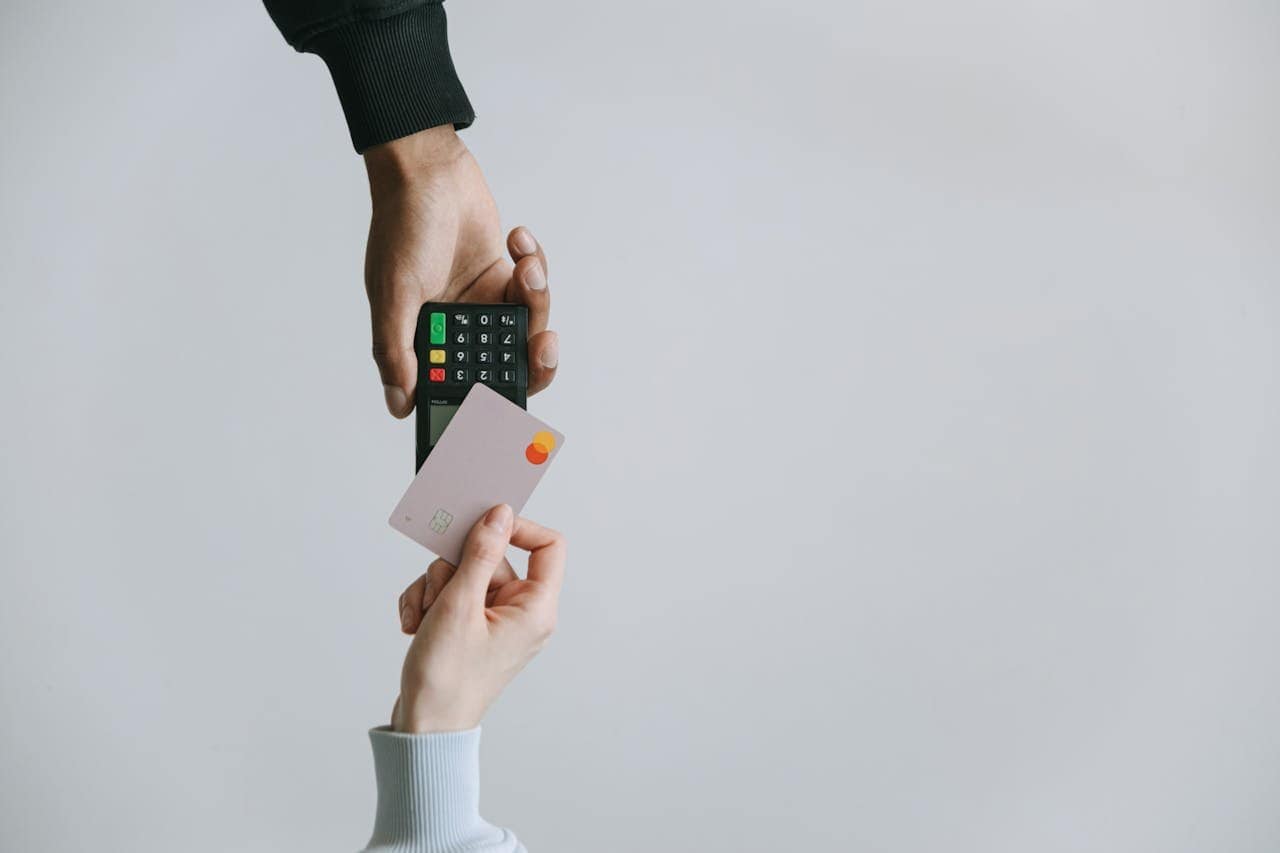
UK consumers have moved decisively away from cash. Contactless spending is now part of everyday behaviour, from a morning coffee to a weekly grocery shop. The FCA raised the contactless card limit to £100 in October 2021, and it remains at that level in 2026. Mobile wallets such as Apple Pay and Google Pay allow payments above this limit with biometric authentication, so customers do not need to carry a physical card at all.
UK Finance reported that there were 17.5 billion contactless payments in the UK in 2023, accounting for 38% of all card transactions. If your till cannot accept contactless or mobile payments, you are asking customers to change their behaviour at the point of sale. Many will simply walk away.
Security and cash handling
Taking card payments reduces the amount of cash held on your premises, which lowers the risk of theft and human error. This matters for women running businesses alone or in shared premises, where cash handling can add risk and time. Card transactions are verified electronically and settled into your business bank account, usually within one to three working days. There is no need to transport cash to the bank or store large floats on site.
Card providers, payment processors, and merchants must comply with the Payment Card Industry Data Security Standard (PCI DSS). This independent framework sets out how cardholder data must be handled, stored, and transmitted. Compliance is not optional; if you take card payments, your provider will require you to complete an annual self-assessment questionnaire or provide evidence that your terminal meets the standard. The cost of non-compliance can include fines from your acquirer and liability if cardholder data is compromised.
Faster checkout and higher spend
Contactless payments speed up queues, which matters during busy periods and for businesses with limited staff. A faster till also means more transactions per hour and a better customer experience. For women founders starting out with small teams, shaving time off each transaction can free you up to serve customers or manage stock.
For retailers selling higher-value items, card payments are essential. Few customers carry enough cash for purchases above £100, and asking for a bank transfer adds friction. Offering card payments, including mobile wallets and instalment options where appropriate, removes a common barrier to sale.
Tax, VAT, and Making Tax Digital
Card payments create an automatic electronic record of every transaction. This makes it easier to reconcile your takings, prepare your VAT return, and stay compliant with Making Tax Digital (MTD). HMRC says that from April 2026, MTD for Income Tax Self Assessment will require self-employed businesses and landlords with turnover above £50,000 to keep digital records and submit quarterly updates. Card payment systems that integrate with accounting software can feed transaction data directly into your records, reducing manual entry and the risk of errors.
If you are unsure which expenses you can claim, our guide to allowable expenses for self-employed workers sets out the main categories HMRC recognises. For a broader look at the digital tax changes, see our Making Tax Digital checklist for women in business.
Choosing a card payment provider
The UK card payment market includes high-street banks, independent payment processors, and mobile card reader providers. When comparing options, look at:
- Transaction fees: Providers typically quote a percentage of each sale plus a fixed pence fee. Some providers offer flat monthly rates.
- Terminal costs: You can buy, rent, or receive a terminal as part of a contract. Compare the total cost over 12 to 24 months.
- Contract length: Avoid long tie-ins if your turnover is seasonal or uncertain.
- Settlement speed: Check how quickly funds reach your account. Next-day settlement is common; some providers offer same-day settlement for a fee.
- Integration: If you use accounting software or an ePOS system, choose a provider that connects directly to it.
- Support: Look for UK-based customer service, especially if you trade at weekends or evenings. Reliable support can be particularly important when you are the sole decision-maker in your business.
The Payment Systems Regulator (PSR) and the Financial Conduct Authority (FCA) oversee payment services in the UK. You can check whether a provider is authorised on the FCA Financial Services Register. Using an authorised provider gives you access to complaints procedures and protections if something goes wrong.
Steps for your small retail business to take card payments
- Review your current payment setup and estimate how many sales you lose to cash-only customers.
- Compare at least three card payment providers, including at least one bank and one independent processor.
- Check that any terminal you choose accepts contactless cards and mobile wallets.
- Confirm PCI DSS compliance requirements with your chosen provider.
- Integrate your card payment system with your accounting software to simplify MTD and VAT reporting.
Accepting card payments is now a basic expectation for any small retail business in the UK. It protects your revenue, reduces security risks, and creates cleaner financial records. If you have not yet made the switch, now is the time to review your options and set up your small retail business to take card payments.