
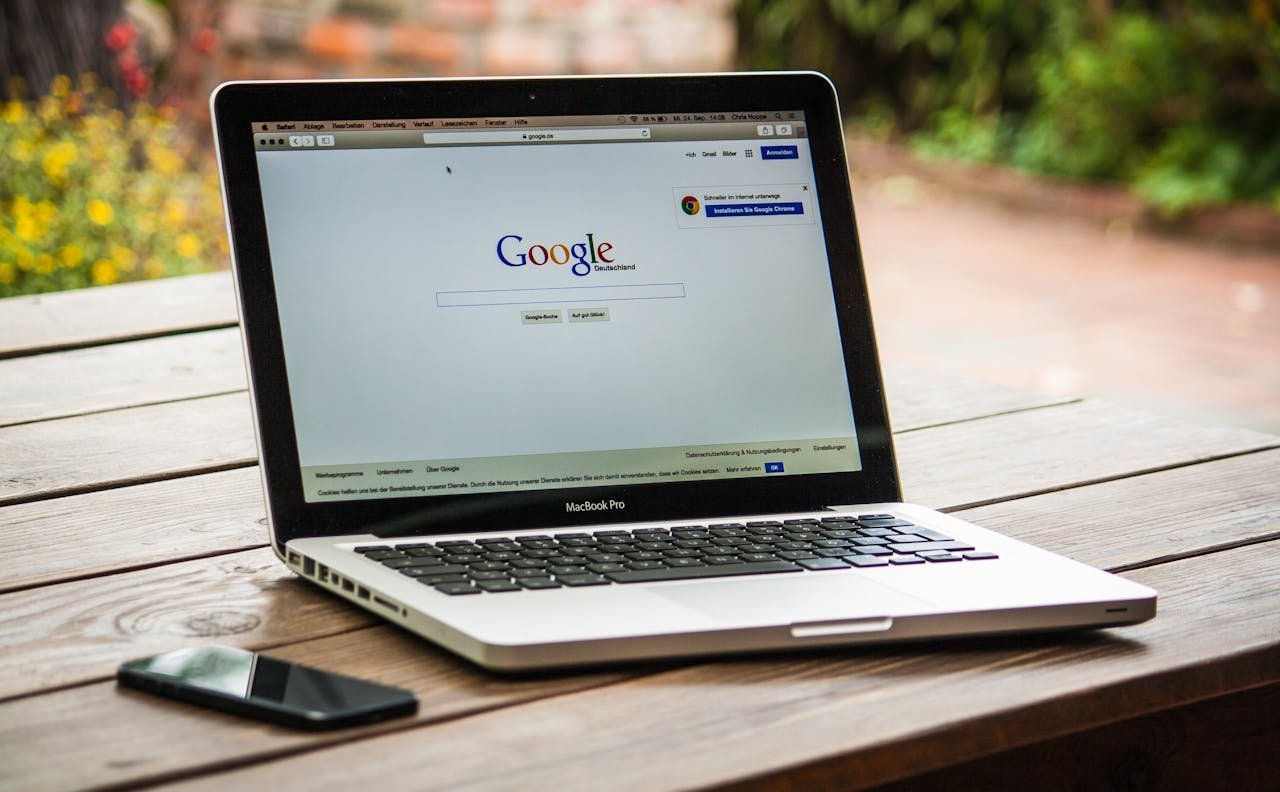
Search engines have been the only way to fly when it comes to browsing the internet for years now. Google is no longer just the name of a business; it’s a verb. And for much of the time, businesses across the world have been mastering the art of Search Engine Optimisation (SEO). But recently, the world of search has changed significantly, with AI becoming one of the most popular ways to gather information and the requirements for domain authority tightening up all the time. With all this and more in mind, people all over the world are asking, “Is SEO dead?”
In short, no. Saying SEO is dead is a massively underdeveloped way of looking at the situation and its nuances as they stand. On the other hand, it’s equally important not to simply approach SEO in the same way we have done for years. This article will offer a look at the state of search today, so digital marketers and small businesses can ensure visibility well into the future.
Understanding the rise of AI search
One of the biggest changes in modern search is the rise of AI-powered results. These days, a search doesn’t just give you the old standard SERP, with most Google or Bing searches producing AI summaries and overviews. Additionally, many people are choosing to use chatbots as their primary search engines. This is resulting in a lot of ‘zero-click’ searches, meaning people get the information they need without having to click through to websites.
But is SEO dead with AI becoming so prevalent? No, it just requires a more considerate approach. Content has to answer the more conversational question styles of AI search, vehicle, while also offering more extensive, high-quality information than typically optimised pieces.
Overall search fragmentation
It’s not just that AI is stepping in for typical search engines. It’s also that people are using social media, voice search and other platforms to seek out information. This means targeting SERPs alone just doesn’t cut the mustard anymore. Things like hashtags and video optimisation techniques are similarly important to principles like keyword integration.
The bar for content is getting higher
When considering how SEO is changing, one of the primary shifts is the need for increased content quality. In the past, content marketing or even an SEO link-building service could be built from relatively simple content, stuffed with keywords to generate traffic. However, Google and other search engines have upped their standards in terms of what they grant domain authority. Pieces should be crafted with true expertise, proper structuring and sufficient citations to guarantee the algorithm recognises them as worthwhile.
Is SEO dead? Definitely not
While there are significant SEO changes taking place, there’s no reason to consider the art of optimisation dead. Search engine traffic still outpaces chatbot traffic, meaning there’s still plenty of impact to be made on Google, Bing and any other traditional engine. Really, as search engines and AI become more closely intertwined, it’s going to be the adaptive businesses that stay ahead of the curve. Being a trusted source that AI draws from should be the goal for all SEO enterprises today.
To make the impact that you’re looking for with SEO, you need an approach that’s willing to evolve with the times around it. Blending SEO fundamentals, such as technical website optimisation, building content and securing backlinks, with AI optimisation techniques will be the technique that keeps your business competitive in the world of search.