When you run a business, the processes and data systems you rely on can quickly become a tangle of spreadsheets, apps, and manual workarounds. An Enterprise Resource Planning (ERP) system ties your finance, stock, customer records, payroll, and operations into one platform. For women-led businesses in the UK, where time and capital are often stretched, deciding whether to invest in an ERP system UK small business solution is a strategic choice, not just a tech upgrade.
The UK is home to around 5.5 million small businesses, which account for 99.9% of the total business population, according to FSB data from 2024. Women-led businesses contribute £141 billion to the UK economy, yet the Alison Rose Review of Female Entrepreneurship 2024 found that all-female founder teams receive only around 2% of UK equity investment. That funding gap makes operational efficiency essential. The right ERP system can reduce admin hours, improve cash flow visibility, and keep you compliant with HMRC rules such as Making Tax Digital.
ERP system UK small business: six practical signs you need one
1. You are duplicating data across disconnected systems
If your sales team records orders in one app, your accountant re-enters them in another, and your warehouse updates stock in a spreadsheet, you are paying for the same work twice. An ERP system creates a single source of truth. Everyone works from the same customer, product, and financial records, which cuts errors and saves hours each week.
2. HMRC compliance is getting harder
From April 2026, self-employed people and landlords with gross income over £50,000 must use HMRC-recognised Making Tax Digital (MTD) software to keep digital records and submit quarterly updates. An ERP or integrated accounting module that is MTD-compatible can automate much of this. See our Making Tax Digital Sole Trader: 2026 Checklist for Women for a step-by-step guide.
3. Stock and cash flow are hard to track
Many growing businesses run out of working capital not because they are unprofitable, but because they cannot see what is tied up in stock or overdue invoices. An ERP system links inventory, purchasing, sales, and accounts so you can spot cash flow pressure before it becomes a crisis.
4. Customer service is slipping
When customer data lives in separate inboxes, spreadsheets, and apps, responses are slow and inconsistent. An ERP with a built-in or connected customer relationship management module gives your team a full history of every order, query, and payment, so you can answer questions faster and retain more clients.
5. You are making decisions from outdated reports
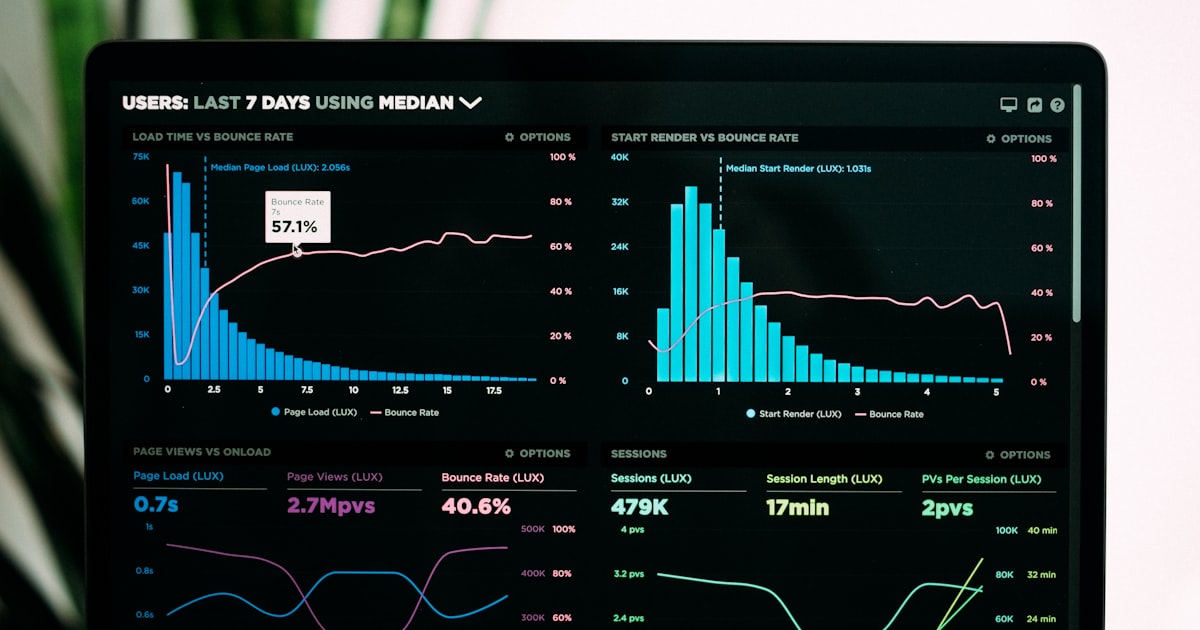
If your monthly management accounts arrive two weeks after month-end, you are steering by the rear-view mirror. Modern cloud ERP systems offer real-time dashboards on revenue, costs, and margins. For women founders who need to make fast funding and hiring decisions, live data is a competitive advantage.
6. Your team is growing or working remotely
As you take on employees, contractors, or remote staff, email and shared drives become risky. An ERP system controls who can see and edit sensitive data, enforces approval workflows, and supports hybrid working without sacrificing security.
What to look for in an ERP system
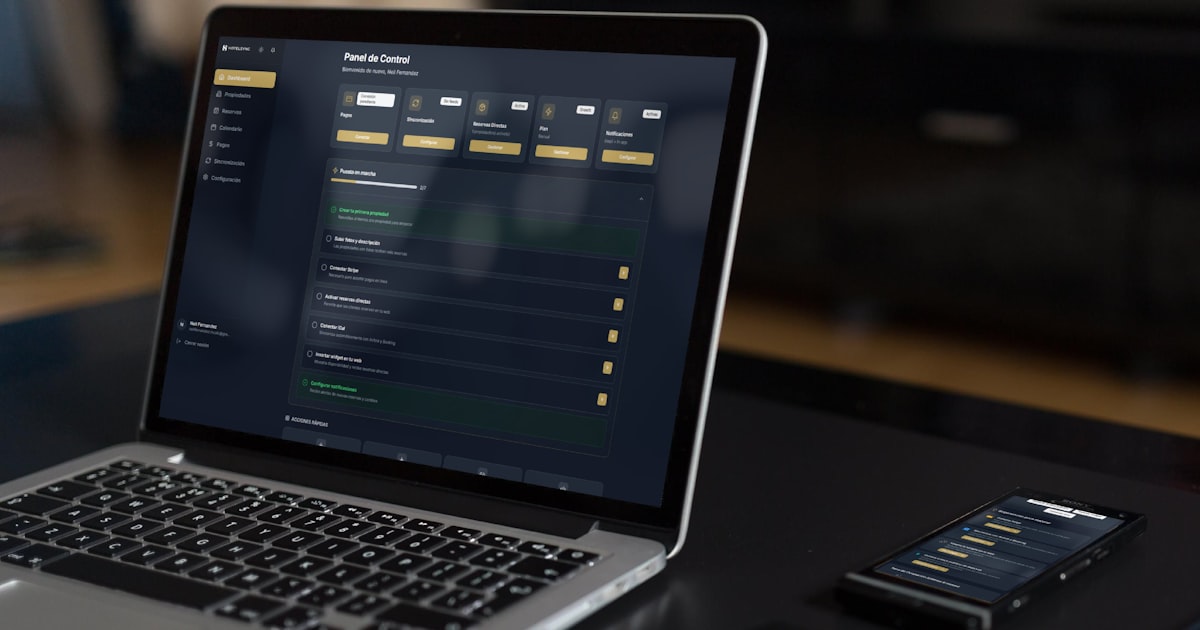
Not every business needs a full enterprise ERP. Many UK small businesses start with a cloud-based platform that covers accounting, CRM, inventory, and payroll. When comparing options, check:
- MTD compatibility: Confirm the software is on HMRC’s list of recognised providers.
- Scalability: Choose a system that grows with you without forcing a costly migration later.
- Integration: Look for open APIs or native connections to tools you already use, such as e-commerce platforms or payment providers.
- Total cost of ownership: Include implementation, training, support, and per-user fees in your budget.
- UK support: A provider with UK-based customer service can help with HMRC and payroll queries.
Before you commit, ask the provider for references from women-led businesses or similar-sized companies in your sector. A clear implementation plan, realistic training schedule, and transparent pricing will protect your budget and your team’s time.
Many platforms now include artificial intelligence features that can forecast demand, flag unusual transactions, or draft cash flow reports. If you are curious about other digital tools, see our guide to The Best AI Tools for UK Small Businesses Right Now.
When an ERP system is not the answer
An ERP is not a magic fix. If your processes are broken, automating them with ERP software can simply speed up the mess. It is also a significant investment. For very early-stage businesses, a good cloud accounting package and a structured spreadsheet may be enough until revenue justifies the cost. Our Business Admin: A Complete Guide for UK Business Owners can help you tighten your back-office processes before you automate them.
Take these five practical action steps
- Audit where your team spends time on duplicate data entry or manual reconciliations.
- Check your expected 2026/27 income against the HMRC MTD for Income Tax threshold.
- Request demos from three MTD-compatible ERP or integrated accounting providers.
- Build a 12-month cost comparison that includes implementation, training, and support.
- Read our Women in Business: Key UK Facts page for the latest data on women-led enterprises.
An ERP system UK small business investment can transform how you run your company, but only if the timing is right. Start by fixing your processes, confirm your compliance obligations, and choose a platform that matches your size and growth plans.