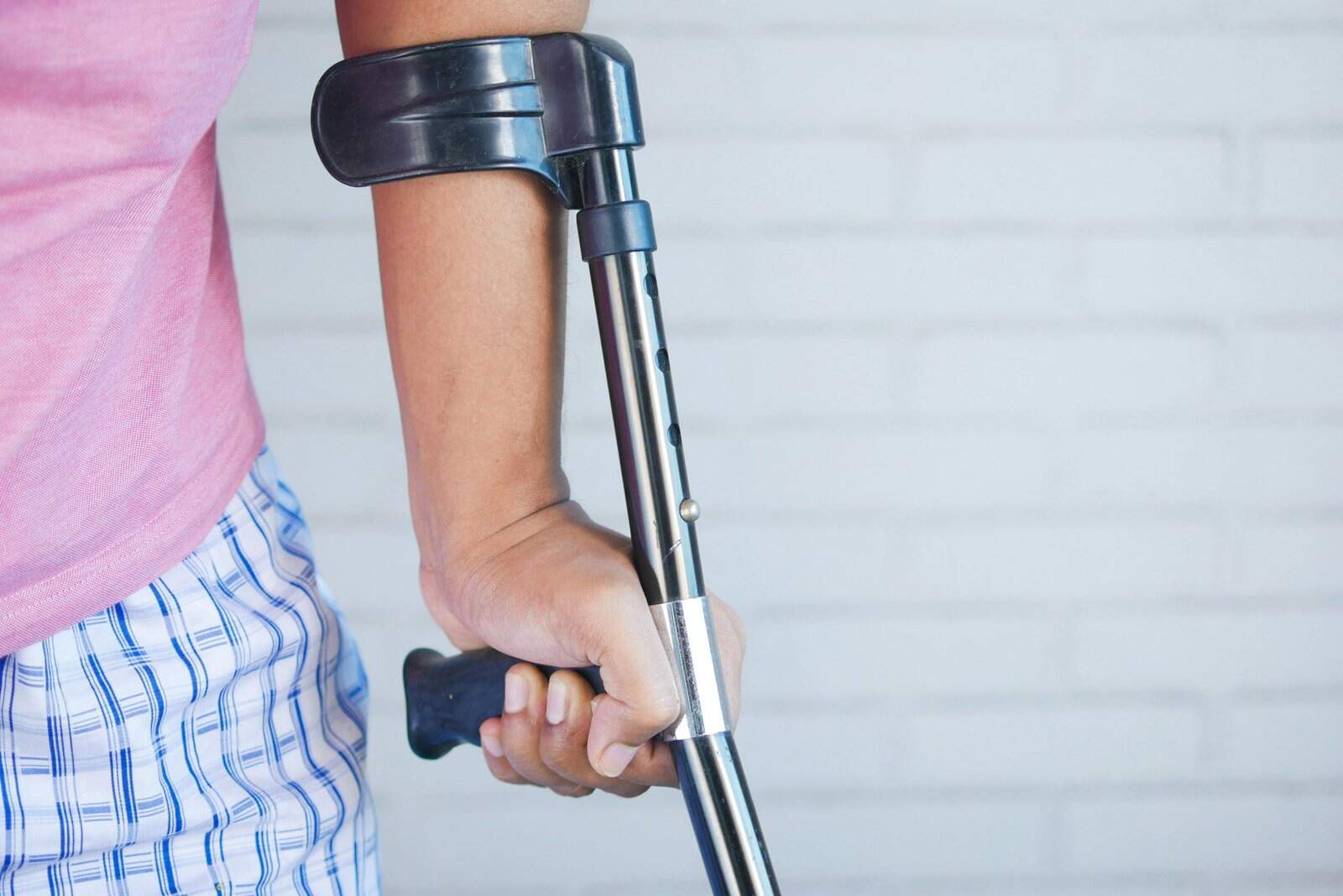
If you employ people in the UK, an accident at work can expose your business to compensation claims, Health and Safety Executive (HSE) investigations, and higher insurance premiums. Employer liability is not automatic in every case, but the law places strict duties on you to protect your staff. Understanding accident at work employer liability helps you manage risk, respond properly when someone is hurt, and avoid costly mistakes. This guide sets out the legal duties UK employers owe, when you are liable for an employee’s negligence, the defences available, and the practical steps every women-led business should take.
What the law requires of UK employers
Every UK employer has a legal duty of care to keep employees, workers, and visitors reasonably safe. The primary legislation is the Health and Safety at Work etc. Act 1974, which requires employers to maintain safe premises, safe systems of work, and adequate training and supervision. If you breach that duty and someone is injured, you can be held directly liable.
You must also have employers’ liability insurance. Under the Employers’ Liability (Compulsory Insurance) Act 1969, most employers must hold cover of at least £5 million from an authorised insurer. You can be fined £2,500 for every day you are uninsured, and you must display your certificate where staff can see it. For more on the insurance basics every business needs, see our startup’s guide to insurance.
The scale of workplace harm shows why these duties matter. According to HSE provisional data for 2024/25, 138 workers were killed in workplace accidents in Great Britain. HSE data for 2023/24 also shows that 561,000 workers self-reported a non-fatal injury, and 1.8 million working people were suffering from work-related ill health. These figures underline that accidents are not rare events, and the financial and human costs can be significant.
Direct liability: when the employer is at fault
You are directly liable when your own negligence or breach of statutory duty causes an injury. Common examples include failing to carry out a risk assessment, not providing proper personal protective equipment, ignoring faulty machinery, or allowing unsafe working practices to continue.
A direct liability claim is brought against the employer itself. The injured person must show that you owed them a duty of care, that you breached that duty, and that the breach caused their injury. If the claim succeeds, your employers’ liability insurer will usually handle the compensation payment, subject to the policy terms and any excess.
Vicarious liability: when you are liable for an employee’s negligence
Even if you did nothing wrong personally, you can still be held responsible for the negligence of your employees. This is called vicarious liability. It applies when an employee causes an accident while acting in the course of their employment.
The test is not whether the employee was strictly following your instructions. Courts look at whether there was a sufficient connection between the employee’s duties and the wrongful act. In Lister v Hesley Hall Ltd [2001], the House of Lords held an employer vicariously liable for abuse committed by a warden because the abuse was closely connected to his employment. More recently, in Mohamud v WM Morrison Supermarkets plc [2016], the Supreme Court found a supermarket liable for a violent assault by an employee on a customer because the employee’s job involved interacting with customers.
For women-led businesses, this means that the actions of your staff at work, at work-related social events, or even in certain off-site situations can create liability for the business. The key question is whether the employee was carrying out the job you employed them to do, not whether you approved of their specific conduct.
Defences to accident at work employer liability
An employer is not liable for every accident. The main defences include:
- The employee was outside the scope of employment. If the employee was on a personal frolic, committing a criminal act unrelated to their job, or deliberately ignoring clear instructions for private reasons, vicarious liability may not apply.
- The employee was not negligent. If the employee took reasonable care and the accident was unavoidable, there may be no claim.
- Contributory negligence. If the injured person partly caused their own injury, perhaps by ignoring safety procedures, the compensation can be reduced.
- The claim is out of time. Under the Limitation Act 1980, most personal injury claims must be brought within three years of the accident or the date the injury was discovered.
- Another employer or third party was responsible. On shared sites or with contractors, liability may fall elsewhere.
These defences are fact-specific. If an incident occurs, document everything immediately, preserve CCTV and witness evidence, and notify your insurer without delay.
What victims can claim
If an employee or third party succeeds in a claim, they can recover damages for:
- Medical treatment, rehabilitation, and care costs.
- Lost earnings, including future loss of earnings if the injury affects long-term capacity.
- Pain, suffering, and loss of amenity.
- Out-of-pocket expenses such as travel to medical appointments.
Claims can be substantial, particularly where there is a long-term injury. Your employers’ liability insurance is there to meet these costs, but prevention is always cheaper than litigation. For context on the wider environment for UK employers, see our Employment Rights Act employer timeline.
How women-led employers can reduce the risk
Good risk management protects your people and your balance sheet. Take the following steps:
- Carry out risk assessments. Identify hazards, assess who might be harmed, and record your control measures. Review them regularly and after any incident.
- Train your staff. Induction training, refresher sessions, and clear written procedures reduce the chance of negligence claims.
- Maintain equipment and premises. Keep maintenance logs, inspect machinery, and fix defects promptly.
- Report serious incidents. Under the Reporting of Injuries, Diseases and Dangerous Occurrences Regulations 2013 (RIDDOR), certain accidents must be reported to HSE.
- Check your insurance. Ensure your employers’ liability cover is valid, meets the £5 million minimum, and includes all categories of worker you engage.
- Document everything. Accident books, risk assessments, training records, and near-miss reports are your evidence if a claim arises.
For broader data on women running businesses in the UK, see Women in Business: Key UK Facts.
Practical action steps for women-led employers
- Review your health and safety policy and risk assessments this quarter.
- Confirm your employers’ liability insurance certificate is current and visible to staff.
- Train managers on how to respond to accidents and preserve evidence.
- Report RIDDOR incidents to HSE within the required timeframe.
- Seek legal advice immediately if you receive a claim or a letter before action.
Conclusion: key takeaways for women-led employers
Accident at work employer liability in the UK rests on two main foundations: your direct duty to provide a safe workplace, and your potential vicarious liability for the negligence of your employees. You are not liable for every mishap, but the law expects you to take reasonable steps to prevent harm, insure against it, and respond properly when it happens. For women running growing businesses, getting these basics right is not just compliance; it is a commercial priority that protects your team, your reputation, and your bottom line.