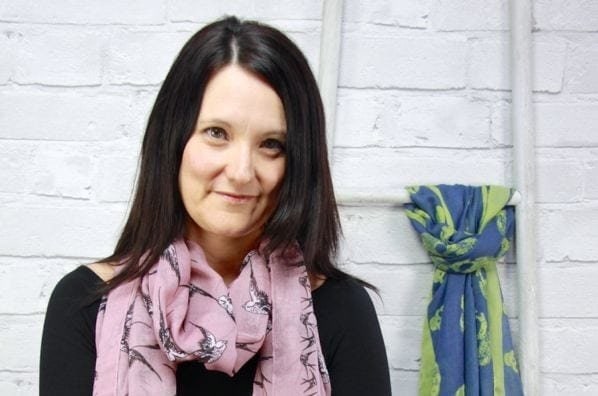
Lisa Angel was one of the “in conversation” panellists at the first Prowess business bootcamp for women. The Lisa Angel start-up story began in her living room, customising clothes and jewellery with vintage finds, and quickly found an appreciative customer base. Since that first interview in 2014, her business has grown into a multi-million-pound brand with a team and headquarters in Norwich. In this updated version of her start-up story she shares the bootstrapping decisions, local support and customer-first values that turned a home-based hobby into a recognised UK accessories brand.
Lisa’s story is a reminder that many of the UK’s fastest-growing businesses still begin at home. According to the Women in Business: Key UK Facts page, women-led enterprises are a major force in the UK economy, yet women founders continue to start with lower average capital than men. That makes accessible support, test trading and smart bootstrapping as important in 2026 as they were when Lisa began.
What led you to start Lisa Angel?
After years working in London for large multinational fashion companies, I wanted to give people something more special and unique than the high-street chains could offer: exceptional customer care, products with personality, a personalised service and a team willing to go the extra mile. I also felt unfulfilled creatively and wanted to combine a family with a business of my own. That brought me back to Norwich, where most of my family lives.
I started from my living room, customising clothes and jewellery with vintage finds. I scoured charity shops for gems; one shop saved all its branded jeans for me and I bought full bin bags for a pound each. A local department store began selling my customised T-shirts and I fitted designing around caring for a baby.
Where are you now?
What began as a one-woman living-room venture has grown into a recognised UK jewellery, accessories and lifestyle brand. Today Lisa Angel is a multi-million-pound business operating from a Norwich headquarters and flagship store, with a team that has grown far beyond the living room. Online sales through our own website and selected marketplaces account for the majority of revenue, while we also supply independent retailers and run our own stores.
The scale is very different, but the principles are the same: unique, affordable products and a customer experience that makes people feel valued.
What were your main barriers to starting the business?
Working capital was the biggest barrier. I overcame it by selling my car and taking out a small loan from Norwich’s Women’s Employment Enterprise Training Unit (WEETU), which supports women in the East of England to start and develop businesses. That loan played a significant part in getting me off the ground.
Finding the right equipment was also tricky at first. BizFizz, a local start-up support programme that has since ended, helped with donated sewing machines, found a local company to sponsor our first website and even got us involved in a major fashion show. Those early breaks remain some of my best memories.
Editor’s note: Support schemes change over time. The British Business Bank’s Start Up Loans programme had lent more than £1 billion across the UK by 2024, with around two in five loans going to women. Founders can also explore their local Growth Hub, the business grants for women landscape and free government business support.
What other help did you receive?
Being mentored by other business people was invaluable. I was surprised by how much goodwill and support established local businesses were prepared to offer. A bank manager who would listen to my individual circumstances was also paramount: he helped me choose the right account and gave advice on marketing and cash flow, and he became the first corporate customer for my line of customised jeans.
That personal support mattered because starting a business can be lonely. Today there are more options than ever, from mentoring and peer networks to online communities and specialist women’s enterprise groups.
What are your business values?
I developed my values during a test-trading period running a fashion event with other local creative businesses. Called Strictly Not High Street, it ran for three years and was the first time I had sold directly to the public. I discovered I had a natural ability to connect with like-minded people, and I learned that the customer experience is everything.
I want people to leave our shop happier than when they arrived. Our stores are full of beautiful, affordable pieces perfect for treating yourself or giving as gifts. We actively seek feedback and respond quickly to any issues because great customer service is what turns a one-off buyer into a loyal advocate.
What advice do you have for women founders?
- Find out what help is available. Talk to people in similar, more established businesses. Successful founders are often extraordinarily generous with their time, advice and contacts. If someone does not want to talk, you have lost nothing by asking. My family has also been tremendously supportive: my husband built our first mini-store by hand and my parents, in-laws and sister helped in too many ways to list.
- Push yourself out of your comfort zone. That is when things start happening. Go to networking events, make the difficult call, visit a trade show or approach a stockist you think is out of reach.
- Take your time and test trade for as long as you need. I felt confident after learning so much about my customers over the first few years. That foundation meant I could enjoy the process even though it was still very hard work.
- Talk to your customers and give them plenty of opportunity to feed back. Use social media, email newsletters and reviews to involve customers in your successes, new launches and offers.
- Get a business coach or mentor who understands your dreams and aspirations. Someone with good contacts can help you access funding, introductions and practical assistance. It can be lonely otherwise, and easy to take too long or even give up.
- Write a simple business plan and keep your finances visible. Knowing your numbers gives you the confidence to make decisions and the evidence lenders and investors need.
Why does Lisa Angel’s start-up story still matter in 2026?
The context for women founders has shifted since Lisa began, but the fundamentals have not. The Alison Rose Review of Female Entrepreneurship Progress Report 2023 found that women-led businesses contributed around £200 billion to the UK economy. Yet Beauhurst data from 2024 shows all-female founder teams still receive less than 2% of UK equity investment, which makes bootstrapping, Start Up Loans and local support networks as vital as ever.
The British Business Bank reports that its Start Up Loans programme, launched in 2012, had lent more than £1 billion to entrepreneurs across the UK by 2024, with women receiving around two in five loans. For women starting from a spare room or kitchen table, that accessible finance can be the difference between a hobby and a registered business.
What are your future plans?
My plans are to keep expanding thoughtfully, increase our market share and keep finding ways to make customers and staff happy. As the team has grown and people have taken on more responsibility, my creativity has flourished and I have more time for the tasks I love. It is also important to give our younger staff opportunities to grow and develop.
I am immensely proud of what we have achieved together and look forward to much more. I am daring to think even bigger, more beautiful, bolder, better and brighter.
What action steps can you take?
- Map the support available to you now: check your local Growth Hub, the British Business Bank’s Start Up Loans programme and the business grants for women guide.
- Test trade before you scale, and use the feedback to refine your product, pricing and customer experience.
- Find one mentor or peer group that understands your sector and can introduce you to funding, stockists or practical help.
- Keep your finances visible from day one with a simple business plan and clear records.
Lisa Angel’s start-up story is proof that a living-room idea can become a serious UK business when it is rooted in customer care, tested carefully and supported by the right finance and mentors.
Looking for support to start or grow your business? Explore Prowess guides on start-up finance, business planning, women in business facts and business grants for women.