Energy remains one of the largest controllable costs for UK small businesses. For women-led SMEs already navigating tight margins, uneven access to growth finance, and rising employment costs, cutting waste rather than cutting staff is often the smarter route to protecting profit. The good news is that most businesses can reduce their energy bills through efficiency measures that pay back quickly and do not require major capital outlay.
The Carbon Trust says most businesses can cut energy costs through efficiency measures, yet many still overlook quick wins. This guide sets out practical business energy-saving tips tailored to the UK regulatory and funding landscape in 2026.
Business energy-saving tips for UK SMEs in 2026
Start with a focused energy audit
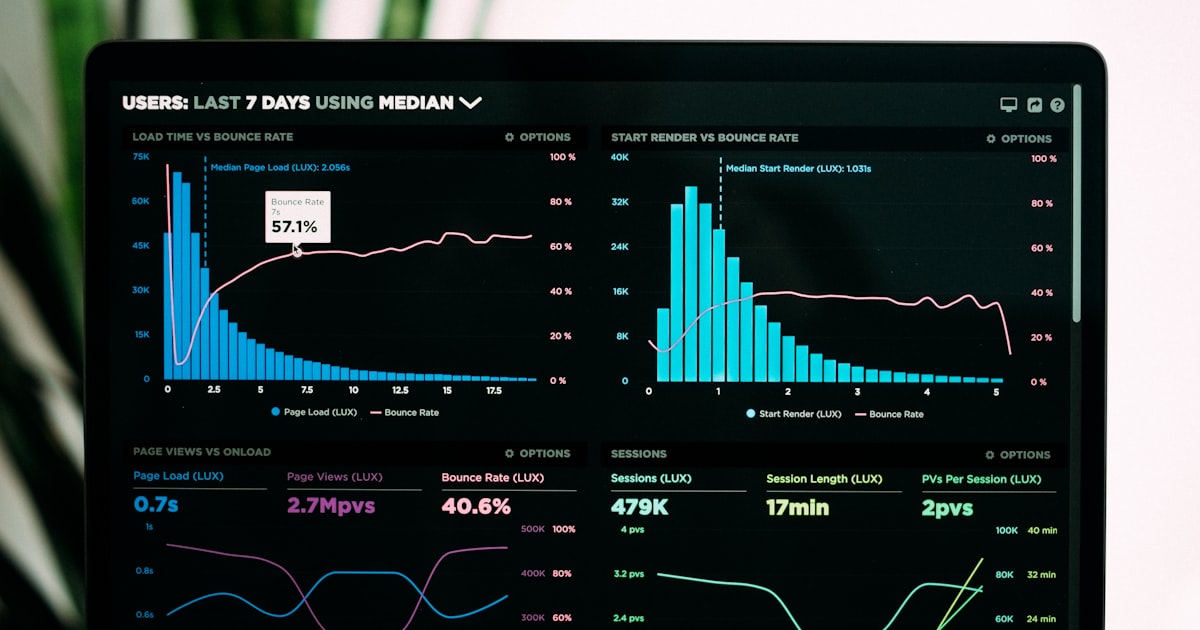
You cannot manage what you do not measure. Begin by collecting 12 months of electricity and gas bills, or ask your supplier for half-hourly meter data if you have a smart meter. Look for patterns: spikes when the premises are closed, heating coming on too early, or old equipment running continuously.
If your business spends more than £40,000 a year on energy, or has more than 250 employees or a turnover above £44 million, you may be required to participate in the Energy Savings Opportunity Scheme (ESOS) under the ESOS Regulations 2014. Phase 3 compliance had to be reported by 5 December 2023, and Phase 4 is expected by 5 December 2027, according to the Environment Agency. Even if ESOS does not apply to you, a basic audit using the Carbon Trust’s SME templates will reveal where money is leaking.
Upgrade to LED lighting and smart controls
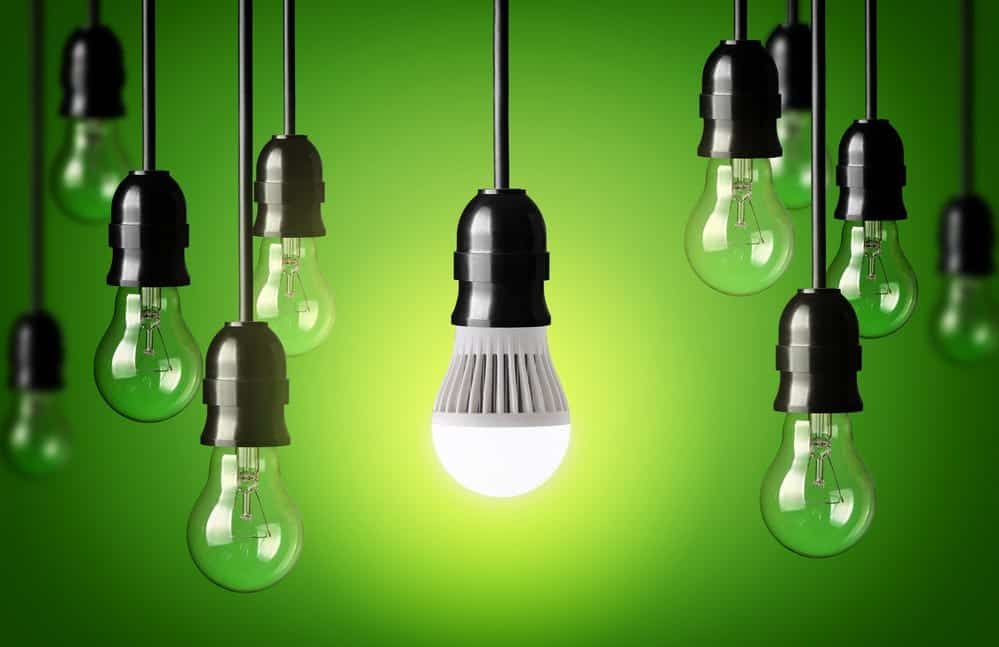
Lighting is often one of the largest electricity costs in offices and retail spaces, according to the Carbon Trust. Replacing halogen or fluorescent tubes with LED fittings typically cuts lighting energy use sharply, and LEDs last far longer, reducing maintenance costs. Add occupancy sensors in storerooms, toilets, and meeting rooms so lights switch off automatically.
For home-based businesses, the same principle applies. If you use a dedicated workspace, you may be able to claim a proportion of lighting and heating costs through Home Working Expenses Self Employed Can Claim Through HMRC. Keep receipts and a record of hours worked from home to support your claim.
Heat and ventilate your premises efficiently
Heating, ventilation, and air conditioning often represent the biggest single energy cost in a workplace. Set thermostats to 19°C for general office areas during working hours, and reduce them by a few degrees out of hours. Make sure radiators are not blocked by furniture and that timers match your actual operating hours.
If you are replacing a boiler, the government’s Boiler Upgrade Scheme offers grants of up to £7,500 as of 2025 towards an air-source or ground-source heat pump for eligible properties. Heat pumps are not suitable for every building, so get a proper assessment before committing. You can also explore whether your local council offers additional support through local authority energy-efficiency schemes.
Use tax reliefs and capital allowances
Energy-efficient investments can qualify for tax relief. For the 2025-26 tax year, the Annual Investment Allowance lets businesses deduct 100% of qualifying plant and machinery expenditure up to £1 million in the first year, including energy-efficient equipment such as LED lighting, efficient refrigeration, and electric vehicle charge points, according to HMRC. Companies can also use Full Expensing for qualifying new plant and machinery. Our guide to Allowable Expenses Self Employed UK explains what you can and cannot claim.
Your business energy bills also include the Climate Change Levy (CCL), a tax on electricity, gas, and solid fuels used in industry, commerce, and agriculture. HMRC updates the rates each April, and businesses in qualifying energy-intensive sectors can secure significant discounts through a Climate Change Agreement.
Engage your team in cutting energy waste
Behaviour change is free and effective. Appoint an energy champion who checks that lights, computers, and machinery are switched off at the end of the day. Encourage staff to dress for the season rather than adjusting thermostats, and to report draughts or faulty equipment promptly. Small habits, repeated across a team, can cut consumption without any capital spend.
For women juggling business and caring responsibilities, flexible working can also reduce energy costs. Allowing staff to work from home on certain days cuts commuting emissions and can lower office energy use. Our guide on Flexible Working Rights UK 2026: What Women Need to Know explains the current rules.
Maintain equipment and review energy contracts
Poorly maintained equipment uses more energy. Schedule annual servicing for boilers, air conditioning, and refrigeration. Check door seals on fridges and freezers, clean filters, and descale kettles and boilers. A fridge with a damaged seal can use far more electricity than it should, according to the Energy Saving Trust.
When your energy contract ends, compare quotes from several business suppliers. Do not assume your current supplier is cheapest. Check whether a fixed or flexible tariff suits your cash flow, and watch for standing charges, which can be high for small premises. If you run your business from home, review whether a business tariff or domestic tariff is more cost-effective for your usage pattern.
Take practical action steps this week
- Collect 12 months of energy bills and identify your three biggest uses of electricity and gas.
- Replace remaining halogen or fluorescent lighting with LED fittings and fit occupancy sensors.
- Set heating to 19°C during working hours and programme timers to match actual occupancy.
- Check whether you qualify for the Boiler Upgrade Scheme, Annual Investment Allowance, or Full Expensing.
- Appoint an energy champion and run a short team briefing on switching off equipment.
- Diarise your contract renewal date and request quotes from at least three business suppliers.
Cutting energy waste is one of the few cost-saving measures that also strengthens your environmental credentials. For UK women in business, these business energy-saving tips offer a practical way to protect margins, satisfy growing customer expectations around sustainability, and reinvest savings into growth. Start with the audit this week; the data will show you exactly where to focus first.