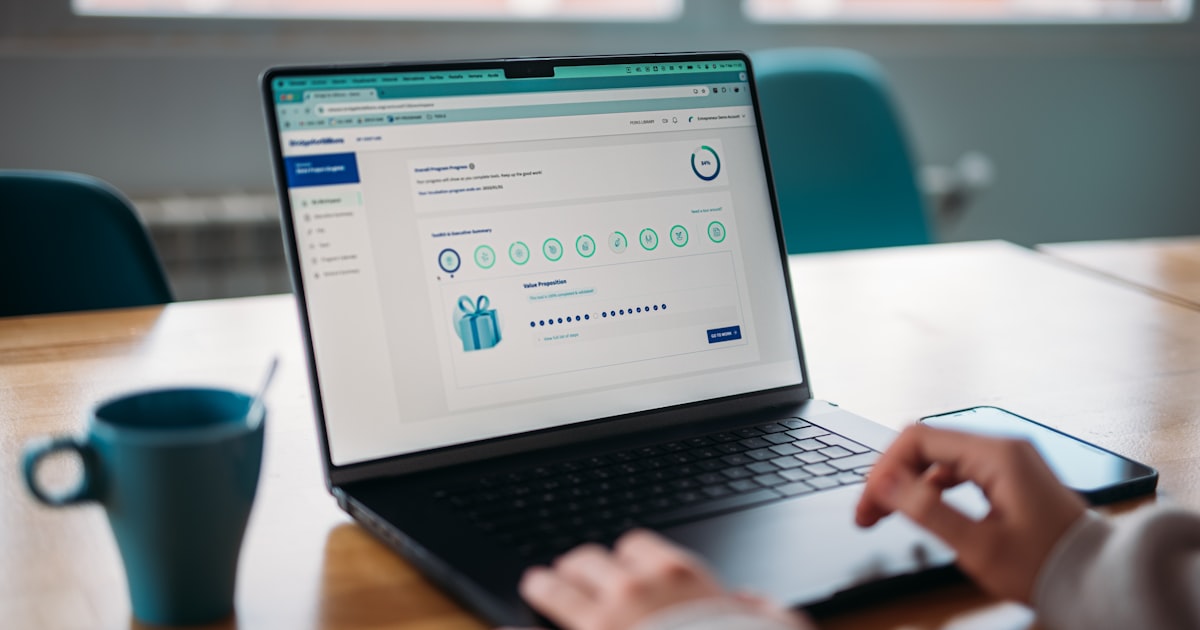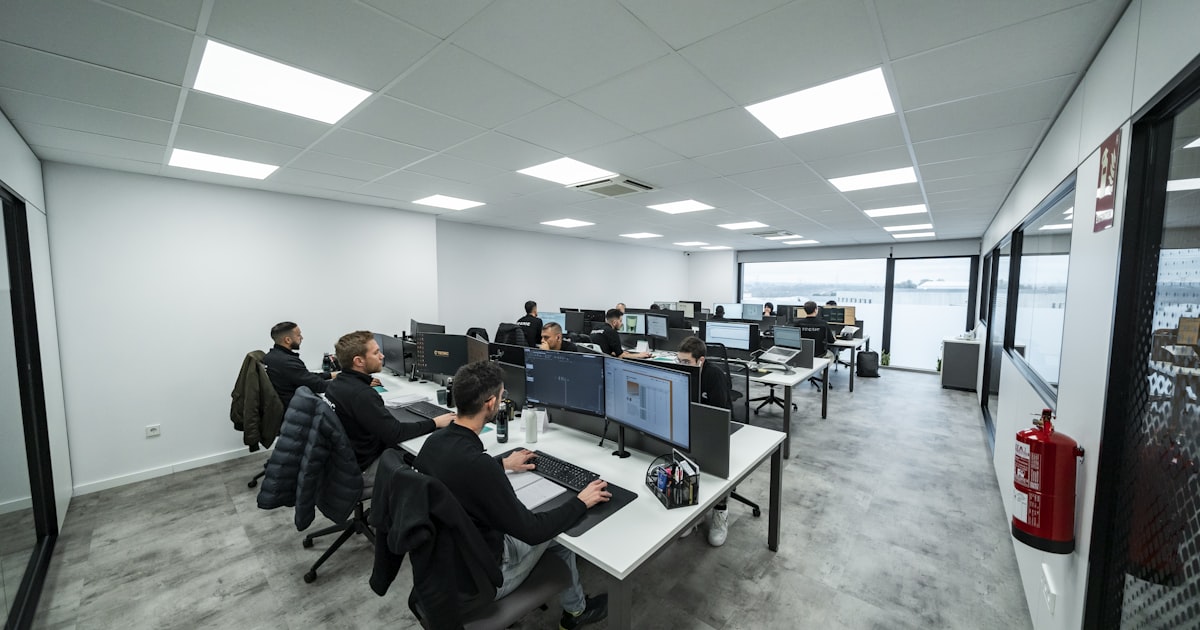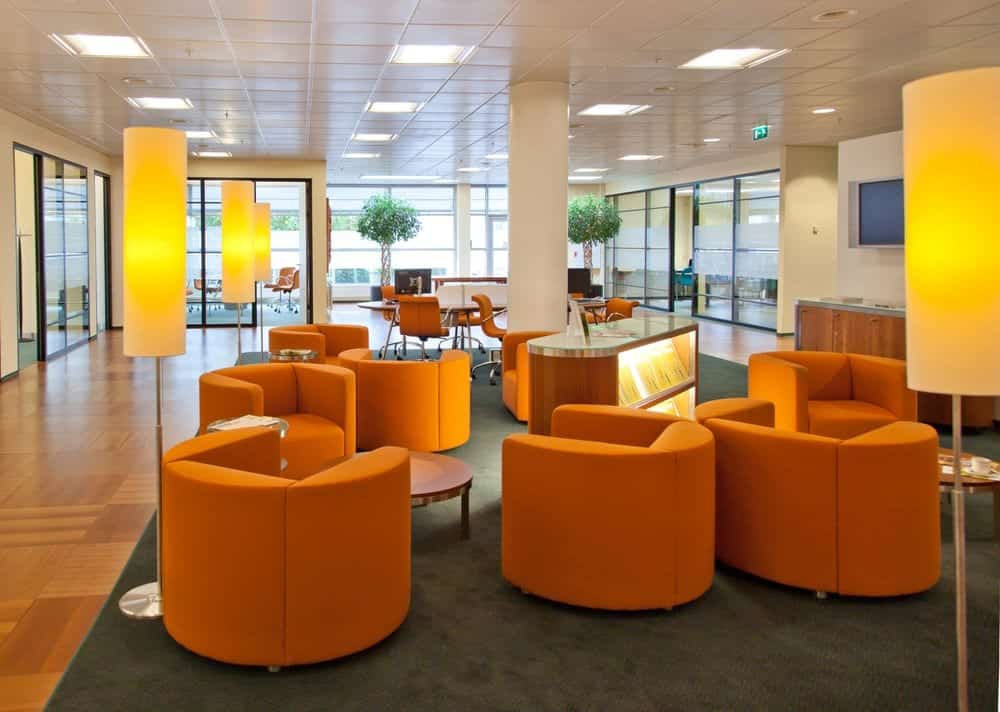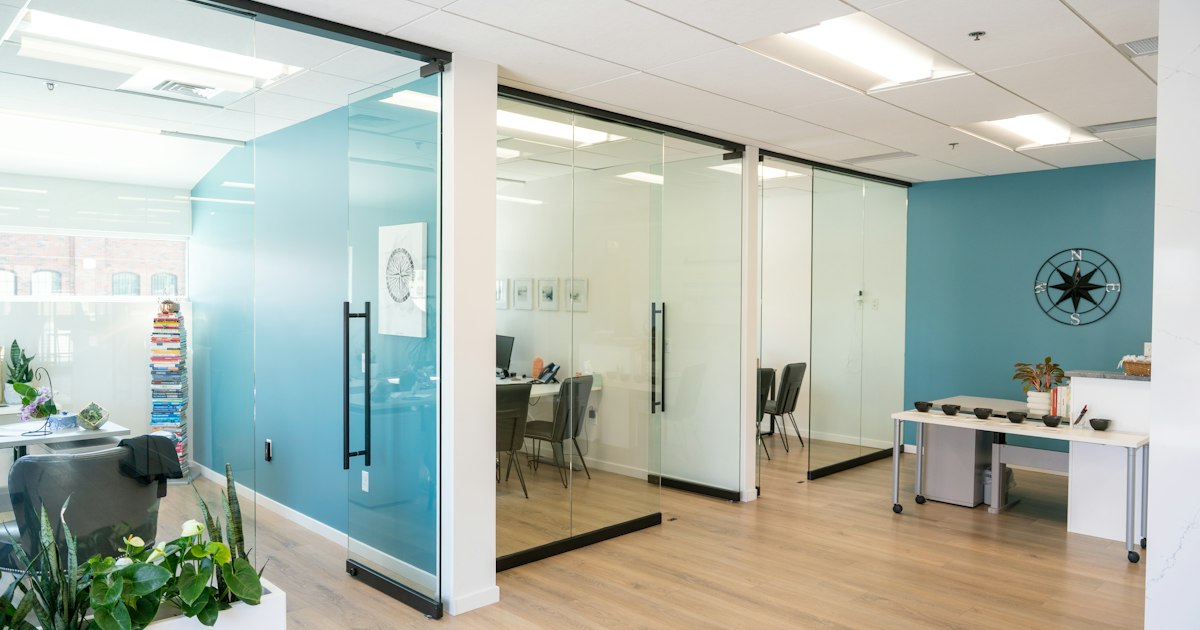
There is an unseen force that shapes many office layouts: historical accident. The waste bin under your desk, the printer on the far shelf, the monitor that forces you to twist your neck, the cables snaking across the floor. Each decision made sense at the time, but together they create a workspace that slows you down and can damage your health. If you want to change your office layout, start by looking at the whole environment rather than fixing one item at a time.
This matters more than ever in 2026. Millions of UK women now split their time between home offices, co-working spaces and employer premises. A layout that worked for occasional use can become a source of pain and distraction when it becomes your main workplace. The good news is that small, evidence-based changes can cut discomfort, reduce errors and protect your concentration.
Office layout is a business issue, not decoration
Poor layout is not just inconvenient. According to HSE’s 2024 report on work-related musculoskeletal disorders, around 473,000 workers in Great Britain suffer from these conditions, and they cause an estimated 6.6 million working days to be lost each year. Back, neck and upper-limb problems are often linked to the way workstations are arranged, the height of screens and chairs, and the amount of time spent in one position.
Under the Health and Safety at Work etc Act 1974 and the Management of Health and Safety at Work Regulations 1999, UK employers must assess workplace risks and take reasonable steps to protect staff. If you employ people, that includes the home offices they use on your behalf. For anyone working from home, the Health and Safety (Display Screen Equipment) Regulations 1992 still require a display screen equipment (DSE) assessment for habitual users. You can check the current HSE guidance on musculoskeletal disorders at work.
ONS data from 2024 shows that hybrid and home working remain common arrangements for millions of UK workers. Whether you run a limited company from a spare room or manage a team across several locations, your layout affects output, absence and morale.
Start with the chair and desk
Before you change your office layout, start with the chair and desk. The chair is the centre of most office work. A badly fitted chair pushes your spine out of alignment, compresses your thighs and can cause shoulder and wrist problems as you compensate. When you choose a chair, sit in it before you commit. Check that your feet rest flat on the floor, your knees are roughly level with your hips, and the small of your back is supported. If you buy online, confirm the returns policy before you order.
Your desk height matters too. Your forearms should be roughly horizontal when you type, with your elbows close to your body. If the desk is too high, you will shrug your shoulders. If it is too low, you will hunch forward. A monitor arm or laptop stand can bring your screen to eye level, so you are not looking down or straining your neck. The top of the screen should be at or slightly below eye level, and about an arm’s length away.
For more detail on setting up a home workstation, see our guide to home office ergonomics in the UK.
Cut the physical hazards
Once the chair and desk are right, look at what is around you. Trip hazards are one of the most common office accidents. Extension cables across walkways, loose rugs, boxes and piles of paper all increase the risk of falls. Use cable trays, trunking or wireless peripherals to keep floors clear. If you cannot avoid a cable run, secure it with a cable cover.
Lighting is another overlooked factor. Glare on a screen causes eye strain and headaches. If a window throws light directly onto your monitor, reposition the desk or use blinds. Task lighting can help with paperwork, but it should not create reflections. The Workplace (Health, Safety and Welfare) Regulations 1992 require suitable and sufficient lighting in workplaces, including adequate natural light where possible.
Reduce noise and visual clutter
Sound has a bigger impact on productivity than most people realise. Open-plan offices can push noise levels high enough to disrupt concentration and increase stress. If you manage a team, consider whether phone calls, meetings and collaborative work need to happen in the same space as focused work. Acoustic panels, soft furnishings and designated quiet zones can all help. For home workers, noise-cancelling headphones or a simple door sign can protect deep-work time.
Visual clutter also drains attention. A clear desk does not mean a sterile desk, but it does mean everything has a purpose and a place. Store reference material out of sight, keep only current projects within arm’s reach, and review your surfaces once a week.
If stress and distraction are recurring themes, our article on tackling workplace stress has practical strategies for women in business.
Plan for hybrid and home working
ONS data from 2024 shows that around 44% of UK workers have hybrid arrangements and 14% work fully from home. That means many women are responsible for more than one workspace. If you work from home regularly, treat your home office with the same rigour as a commercial premises. Check your chair, desk, monitor position, lighting and cables. Take breaks away from the screen. The HSE recommends short, frequent breaks from DSE work rather than longer, less frequent ones.
If you employ staff who work from home, you remain responsible for their health and safety while they are working for you. Carry out a DSE assessment, provide suitable equipment where needed, and keep a record of any issues raised. ACAS guidance on homeworking recommends regular check-ins about workstation setup and wellbeing, not just output.
Add the details that keep you motivated
Functionality comes first, but a pleasant space keeps you at your desk. Colour, plants, personal photographs and natural light all influence mood and energy. A 2024 CIPD health and wellbeing at work survey found that musculoskeletal conditions and mental health remain leading causes of long-term absence, so a layout that supports both body and mind is a sound investment.
Consider what you see when you look up from your screen. A blank wall can feel draining; a view of greenery, artwork or a well-organised shelf can restore focus. If your window is sealed shut, open it when weather allows, or use a small air purifier to reduce stuffiness. Temperature matters too: most people work best between 18°C and 21°C, though personal preference varies.
Action steps to change your office layout this week
- Stand at the doorway and photograph your workspace. Notice trip hazards, glare, clutter and awkward reaches.
- Check your chair, desk and monitor against HSE DSE guidance. Adjust or replace anything that forces you into an awkward posture.
- Clear cables from walkways and secure any that must cross the floor.
- Move your monitor to eye level and an arm’s length away, with no window glare.
- Block one hour in your diary for a weekly desk reset, and protect focused work with a noise plan.
To change your office layout, you do not need a big budget. You need to step back, spot the historical accidents, and make deliberate choices. A well-arranged workspace protects your health, sharpens your focus and sends a signal that your business is run professionally. For more ways to improve output, read our guide to workplace productivity in UK women-led businesses.