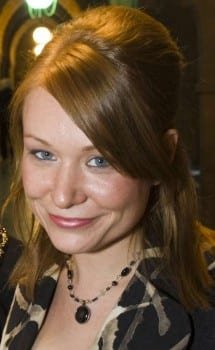
Sissy Rooney left school with no qualifications and built her career through practical experience. She now runs Street Style Surgery, a Manchester-based social enterprise that delivers creative workshops to help young people build confidence, skills and career options. Her journey is a useful case study for women social entrepreneurs UK-wide who want to turn lived experience into a business with purpose.
From fashion designer to social entrepreneur
Rooney founded Street Style Surgery in 2008 after a first fashion business, Sissy’s Surgery, failed to turn a profit. When Prowess spoke to her in 2012, she explained that a textiles teacher had changed her trajectory as a teenager by handing her a ticket to a fashion show. That single gesture reignited her ambition to work in fashion and led to nine years of fashion education.
She recognised my potential and literally handed me a ticket to the next stage in my life, a ticket to a fashion show. Attending that show reignited my dream of becoming a fashion designer.
After working in the industry and then running her own label, Rooney wanted to combine her creative skills with a social purpose. Street Style Surgery was the result: a business that uses fashion, music, art and enterprise workshops to reach young people who might otherwise miss out on creative careers.
What Street Style Surgery delivers
The organisation provides creative workshops for young people across the UK, working with schools, youth clubs, local authorities and charities. Sessions cover fashion design, DJing, beatboxing, painting and business enterprise, delivered by a network of qualified associates.
The need for this work has grown as public funding for youth services has shrunk. Local authority spending on youth services in England fell by around 70% in real terms between 2010-11 and 2020-21, according to analysis by the House of Commons Library and youth sector bodies. More recent council budgets show the pressure has continued, with many authorities making further reductions to youth provision. Many young people now have fewer structured opportunities to explore creative careers or access mentors.
From fashion design to DJing, from beatboxing to painting, they need to know that they have options. Many do not realise the exciting career opportunities they can pursue in a creative field.
The creative industries remain one of the UK’s most significant sectors. DCMS sector economic estimates for 2023 valued the creative industries at £124.7 billion in gross value added, employing around 2.4 million people. For young people with talent but no clear pathway, workshops that connect creativity to employment can be a practical bridge.
Funding a social enterprise UK founders can access
Rooney’s first grant application was rejected. Rather than abandon the idea, she used credit cards to run a small pilot programme, offered free workshops to youth organisations, gathered feedback and reapplied. The pilot persuaded the funder to award £3,000, which launched the business properly.
Today, women founders in the social sector have more structured routes to early finance. Options include:
- Start Up Loans: government-backed personal loans of up to £25,000 for early-stage businesses, with free mentoring.
- UnLtd: awards and support for social entrepreneurs, including funding for start-up and growth.
- School for Social Entrepreneurs: learning programmes and match-funded grants for people using business to tackle social problems.
- Big Issue Invest: social investment finance for organisations with a clear social or environmental mission.
- Local authority and regional grants: many councils still run small business and social enterprise funds, though availability varies.
For current funding options, see our guides to Start Up Loans Female Founders and Business Grants For Women in UK.
Marketing a mission-led creative business
Rooney invested early in a professional website and search engine optimisation to make sure youth workers, teachers and commissioners could find her workshops. That decision still matters: most public-sector and charity buyers research providers online before making contact.
For women running creative or social enterprises today, the same principle applies. A clear website, up-to-date testimonials and visible contact details build credibility with schools, councils and grant funders. Social media also helps, but a professional website remains the foundation for B2B work.
Lessons for women social entrepreneurs UK-wide in 2026
Rooney’s experience contains practical lessons for any woman founder building a business with a social purpose:
- Test before you scale. Her pilot programme generated the evidence she needed to win grant funding. A small, well-documented trial is often more persuasive than a business plan alone.
- Separate personal credit from business growth. Using credit cards to start up is risky. Today, founders should explore Start Up Loans, grants and revenue from early customers before taking on high-interest personal debt.
- Speak the buyer’s language. Schools, youth offending services and local authorities need clear outcomes: attendance, engagement, skills gained, progression into education or employment. Frame your offer around those metrics.
- Build a network of associates. Street Style Surgery grew from a one-woman operation to a national network. Hiring freelancers or associates lets you expand geographically without the fixed cost of full-time employees.
- Protect your own financial position. If you are self-employed, understand your tax obligations, allowable expenses and National Insurance. Keep business and personal finances separate from day one.
Why social enterprise matters for women founders
The UK has around 100,000 social enterprises, according to Social Enterprise UK estimates. Many social enterprises are founded to address problems the founders have experienced directly.
Rooney’s story fits that pattern: she built a business around a personal turning point and turned it into an opportunity for others. The model is not unique, but it is replicable. A clear mission, evidence of impact and professional presentation can turn lived experience into a sustainable organisation.
For the latest statistics on women-led businesses in the UK, see Women in Business: Key UK Facts.
Practical action steps for women founders
- Map the public-sector buyers in your area: local authority youth teams, schools, pupil premium coordinators and charities.
- Run a small pilot, document the outcomes and use the results in grant applications and marketing.
- Check your funding options through Start Up Loans Female Founders and Business Grants For Women in UK.
- Build a simple, professional website with clear service descriptions and contact details.
- Keep records of outcomes, testimonials and referrals from every workshop or pilot you run.
Sissy Rooney’s journey from fashion designer to social entrepreneur shows women social entrepreneurs UK-wide that a failed first business does not have to be the end of the story. With a clear mission, a tested offer and persistent marketing, women founders can build organisations that combine profit with purpose.