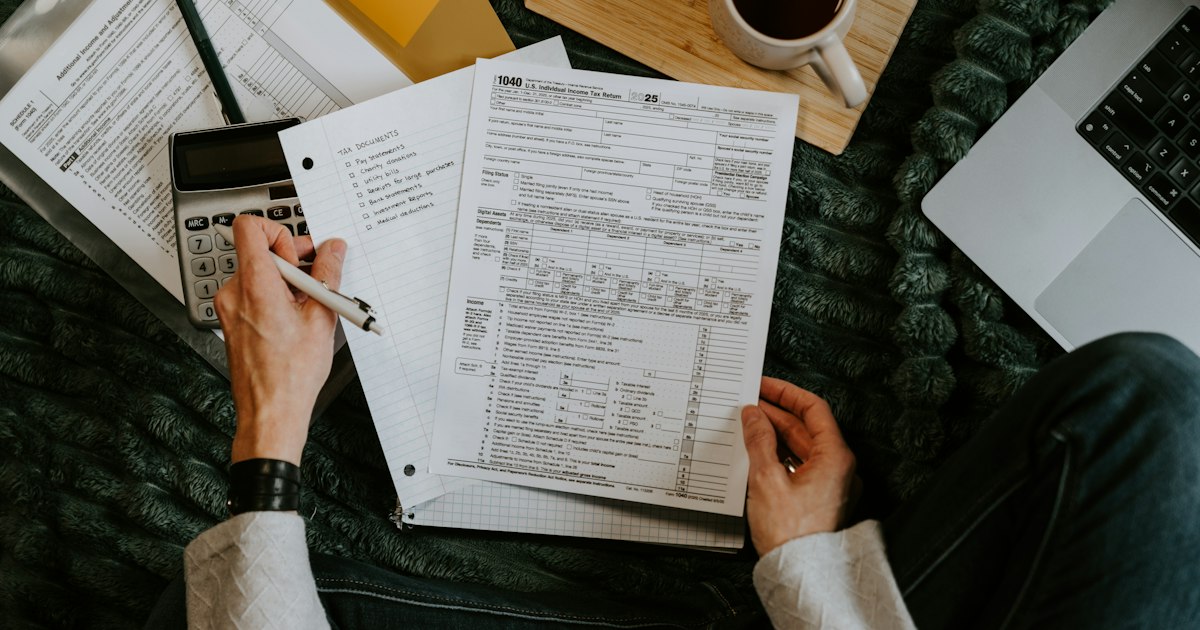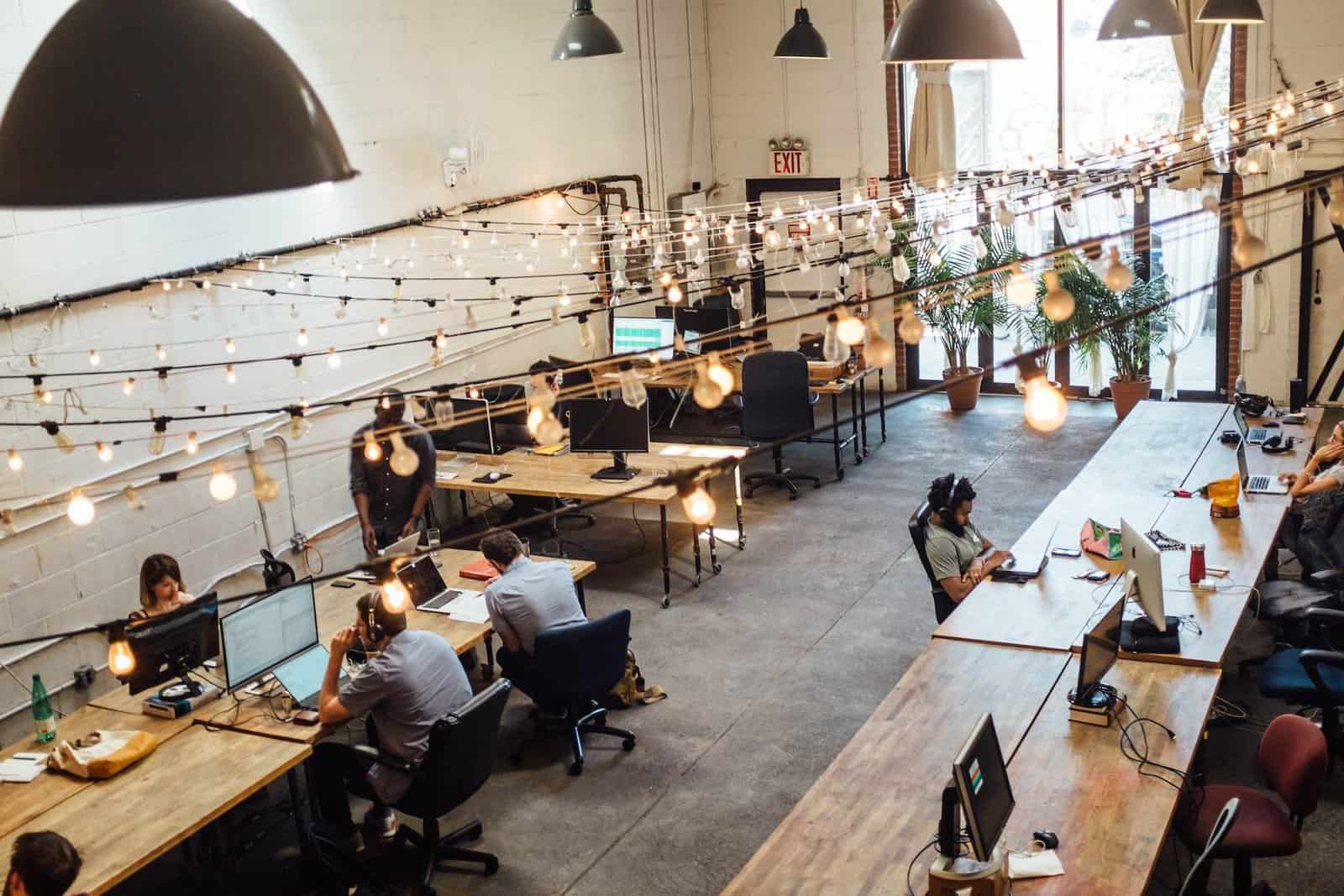
Office design for productivity is not a luxury for UK women founders; it is an operational decision that affects output, health, and retention. With ONS data from 2024 showing that around 28% of UK workers do some work from home, and many women running businesses from spare rooms, garden offices, or leased premises, the physical workspace directly shapes how much you get done in a day. Small changes to ergonomics, lighting, air quality, and layout can reduce fatigue, cut sick days, and create a space that supports focused work.
Whether you employ a team or work alone, the principles are the same. Your office should protect your health, meet your legal duties, and reflect the brand you are building. This guide sets out the practical steps that matter most in 2026.
Office design for productivity starts with ergonomics
If you employ anyone who uses a computer, the Health and Safety Executive (HSE) Display Screen Equipment Regulations 1992 require you to carry out a workstation risk assessment. This applies whether staff work in a central office or at home. The assessment must cover the screen, keyboard, mouse, chair, desk, and the surrounding environment.
Poor ergonomics are expensive. HSE statistics for 2023/24 estimate that 1.8 million workers in Great Britain suffered from work-related ill health, with musculoskeletal disorders and stress, depression, or anxiety accounting for the largest share. CIPD data from 2024 puts the average UK sickness absence at 7.8 days per employee per year. For a small business, one long-term absence can derail a project or client relationship.
Practical steps include adjustable chairs that support the lumbar spine; desks at elbow height; monitors positioned at eye level roughly an arm’s length away; and a separate keyboard and mouse for laptop users. If you are self-employed and working from home, the same principles protect your own health and your ability to keep trading.
Lighting and eye health protect your output
Lighting affects alertness, eye strain, and mood. The HSE advises that workplace lighting should be sufficient for people to work safely and without discomfort. Where possible, position desks perpendicular to windows to maximise daylight while avoiding screen glare.
For artificial light, layer ambient ceiling lights with task lamps. LED bulbs with a colour temperature around 4000K to 5000K suit focused daytime work, while warmer tones in the evening reduce blue-light disruption. If you or your team spend long hours on screens, the 20-20-20 rule is a simple habit: every 20 minutes, look at something 20 feet away for 20 seconds.
Temperature and ventilation keep teams alert
The Workplace (Health, Safety and Welfare) Regulations 1992 require employers to maintain a reasonable temperature indoors. HSE guidance recommends a minimum of 16°C for offices where work is mostly sedentary, or 13°C for work requiring physical effort. There is no maximum temperature, but employers must take action if heat becomes uncomfortable.
Air quality matters too. Poor ventilation increases drowsiness and the spread of airborne illness. Open windows where possible, maintain extractor fans, and consider air purifiers in urban locations or rooms with limited airflow. Plants can help with humidity and the perception of air quality, though their impact on pollutants is modest compared with mechanical ventilation.
Plants and decor reinforce your brand
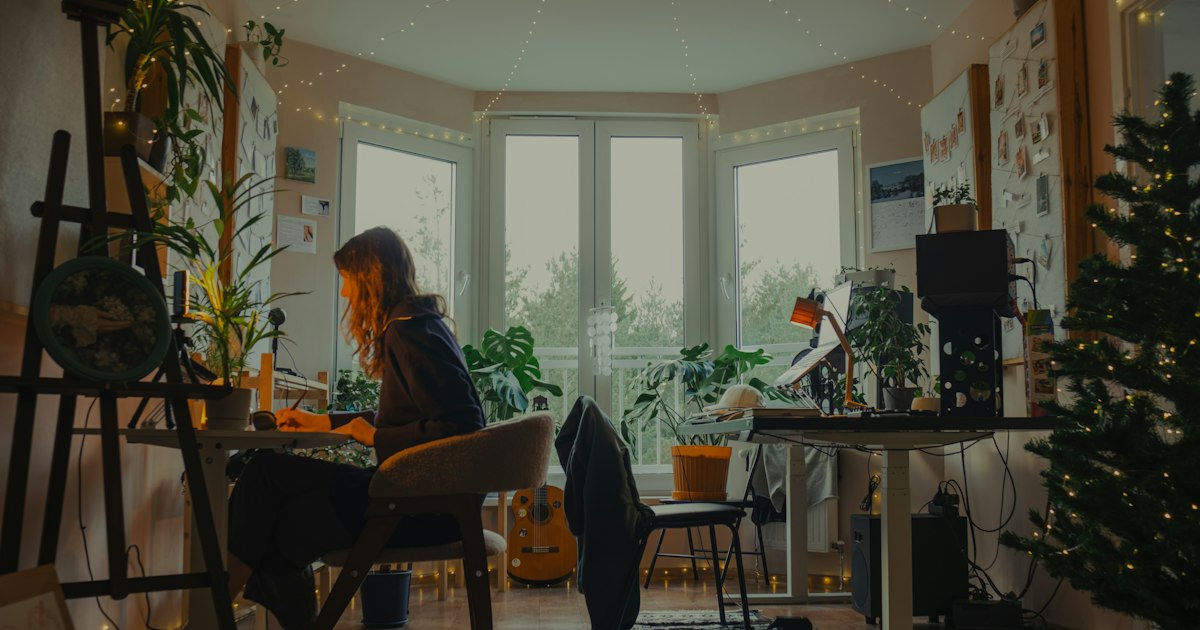
Biophilic design, which brings natural elements into built spaces, has been linked to lower stress and higher reported wellbeing in office workers. Low-maintenance plants such as snake plants, pothos, or ZZ plants suit busy founders who cannot commit to daily watering.
Art and framed prints can also shape the tone of the space. Choose pieces that reflect your brand values or remind you why you started the business. For client-facing areas, this becomes part of your visual identity. For home offices, it helps separate work mode from domestic life.
Layout and zoning create mental boundaries
Not all work happens at a desk. A productive office needs distinct zones: a focused work area, a video-call backdrop, a space for reading or thinking, and storage that keeps paperwork off the main surface. If you run your business from home, physical boundaries become even more important. A dedicated desk, screen, or garden room signals to your brain, and to family members, that you are at work.
Budget realistically. A basic home office setup can cost from a few hundred pounds upwards depending on furniture and equipment choices, while a garden office typically represents a larger investment. You may be able to claim some costs through HMRC if you are self-employed and working from home. See our guides on what it really costs to set up a home office and home working expenses self-employed people can claim through HMRC.
Use these action steps for your workspace
- Audit your current workstation against the HSE DSE checklist.
- Check your office temperature stays above 16°C in winter and is ventilated in summer.
- Move your desk to make the most of natural light without causing screen glare.
- Add one low-maintenance plant and one piece of brand-aligned art or a framed quote.
- Create a clear boundary between work and non-work space, especially if you work from home.
Build a workspace that supports your business
Office design for productivity is about removing the physical friction that slows you down. For UK women founders, that means meeting HSE duties, protecting your health, and creating a workspace that supports deep work. You do not need a complete refurbishment. Start with ergonomics, light, and temperature, then layer in the details that make the space yours.
For broader context on the state of women-led business in the UK, read Women in Business: Key UK Facts.