When you start an online business UK customers, tax rules, and digital tools should shape every decision from day one. Whether you are selling products, services, or digital downloads, the basics remain the same: solve a clear problem for a defined audience, make it easy to buy from you, and keep your legal and tax foundations solid. The right approach can turn a side project into a sustainable income.
According to ONS data from 2024, online sales accounted for around one-quarter of total UK retail sales, and the digital economy continues to offer strong opportunities for women founders. The same year, ONS labour market data showed that around 1.5 million women are self-employed across the UK. Yet the British Business Bank’s Small Business Finance Markets 2025 report found that all-female founder teams received just 2% of UK equity investment. That makes lean, self-funded online launches an especially practical route for women in business. Here are four proven steps to get started.
1. Choose and Validate Your Niche in the UK Market
Your niche is the foundation of everything that follows. It should sit at the intersection of what you know, what you enjoy, and what enough UK customers are willing to pay for. Passion alone is not enough; you need evidence of demand.
The UK is home to over 5.5 million small businesses, according to the Department for Business and Trade’s Business Population Estimates 2024. That scale means opportunity, but also competition. Start by checking free UK data sources. The ONS publishes retail and service industry data, and Google Trends can show you what British consumers are searching for. Look at UK competitors on Trustpilot, Etsy, Amazon Marketplace, or LinkedIn. Read their reviews carefully: one-star complaints often reveal the gap your business could fill.
Before you commit, test the idea cheaply. Run a small paid social campaign targeting UK postcodes, set up a simple landing page, or pre-sell a limited run. If nobody buys at the testing stage, it is far better to pivot now than after you have built a full website.
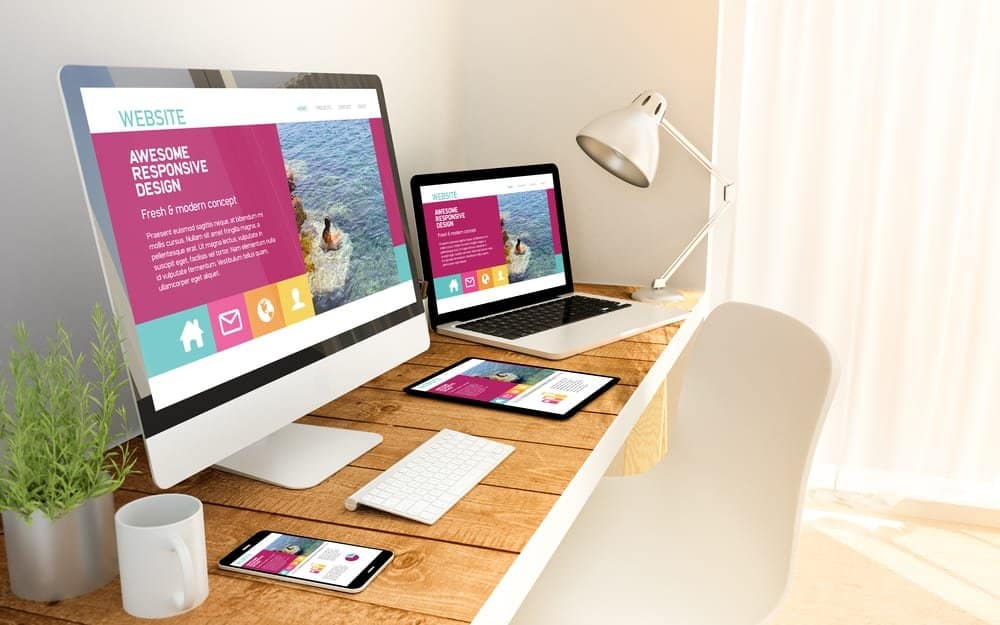
2. Build a Fast, Mobile-First Website
Your website is your shop front, checkout, and customer service desk. If it loads slowly or confuses visitors on a phone, they will leave. Many UK shoppers browse and buy on their phones, and slow-loading pages lose customers.
Keep the design simple and customer-centric:
- Use a clear headline that states what you do and who you help within three seconds.
- Limit your main navigation to five items or fewer.
- Make your contact details, returns policy, and delivery information easy to find.
- Ensure your checkout works smoothly on mobile, with guest checkout and trusted payment options such as Stripe, PayPal, or Shopify Payments.
If you are not technical, UK-friendly platforms such as Shopify, Squarespace, or WordPress with WooCommerce can get you live within days.
3. Convert Visitors with Sales Funnels and Email
Most visitors will not buy on their first visit. A sales funnel simply guides them from first contact to first purchase through a series of small, low-risk steps. For example, a visitor might read a blog post, download a free guide in exchange for their email address, receive a short sequence of helpful emails, and then be offered a paid product or service.
Email marketing remains one of the most cost-effective channels for UK small businesses. It lets you build relationships directly with people who have chosen to hear from you, and tools such as Mailchimp, Klaviyo, or ConvertKit allow you to segment subscribers, automate welcome sequences, and send personalised offers.
Keep emails useful rather than purely promotional. Share tips, answer common questions, and show the human side of your business. Personal follow-ups and abandoned-cart reminders can significantly improve retention and revenue over time.
4. Get the Legal and Tax Basics Right
The most creative online business will struggle if it falls behind on compliance. In 2026, several UK rules affect new online businesses directly.
Choose your structure. Most online businesses start as sole traders or limited companies. Sole traders have simpler reporting, while limited companies offer liability protection and can be more tax-efficient as income grows.
Register with HMRC. You must register as self-employed by 5 October in your business’s second tax year. If you form a limited company, you must register with Companies House and, since 2025, verify your identity as a director.
Prepare for Making Tax Digital. HMRC’s Making Tax Digital for Income Tax Self Assessment begins in April 2026 for self-employed people and landlords with qualifying income over £50,000. From April 2027, it extends to those with income over £30,000. You will need compatible software to keep digital records and submit quarterly updates. Our Making Tax Digital checklist for self-employed women covers the essentials.
Protect customer data. If you collect email addresses or process payments, you must comply with UK GDPR and the Data Protection Act 2018. Publish a privacy policy, use secure hosting, and only email people who have opted in.
Start an Online Business UK: Your Launch Checklist
Starting an online business in the UK does not require a large budget, but it does require consistent action. Here is a simple launch sequence:
- Validate your niche using free UK data and a small paid test.
- Build a mobile-first website on a platform that fits your technical level.
- Set up an email list and a simple funnel before you chase social media followers.
- Register with HMRC, choose the right structure, and prepare for Making Tax Digital.
For more context on the UK women in business landscape, see our Women in Business: Key UK Facts page. If you need start-up funding, the Start Up Loans scheme for female founders offers government-backed loans alongside free mentoring.
The tools, funding, and guidance are available. The difference between an idea and a business is disciplined execution. Start small, measure what works, and keep going.