Starting a business from the ground up means juggling projects, customers, finances, marketing, and compliance from day one. The right tech tools to start a business can reduce that load, keep you compliant with UK rules, and free up time to focus on growth. According to the 2023 Alison Rose Review of Female Entrepreneurship, women-led SMEs contribute an estimated £105 billion to the UK economy. Access to funding remains uneven, so keeping start-up costs lean through smart tool choices matters from day one. See our women in business key facts page for the latest UK statistics.
Before you spend anything, map your needs to your business structure. A sole trader with turnover below £50,000 has different software requirements from a limited company director who must file annual accounts and verify her identity with Companies House. The tools below are grouped by function, not brand, so you can choose what fits your budget and stage.
Tech tools to start a business: the 2026 checklist
1. Secure web hosting and domain registration
Your domain name and hosting are the foundation of your online presence. Look for UK-based support, clear renewal pricing, and an SSL certificate included as standard. If you plan to sell online, check whether the host offers scalable e-commerce plans and complies with UK data protection law. Compare independent reviews on Which? or Trustpilot before committing to a multi-year contract.
2. Choose a user-friendly website builder
A professional website builds credibility and gives you a platform to sell services or products. Modern website builders such as Wix, Squarespace, and Shopify offer templates, payment integration, and mobile optimisation without requiring coding skills. For UK sellers, check that the builder handles VAT calculations, GDPR-compliant cookie banners, and UK payment gateways.
3. Website analytics and performance monitoring
Once your site is live, you need to know how visitors find and use it. Google Analytics 4 remains free and widely used, while tools such as Hotjar or Microsoft Clarity show where users click, scroll, and drop off. Use this data to improve conversion rates rather than chasing vanity metrics. Set up a monthly review habit so decisions are based on evidence, not guesswork.
4. Organise work with project management software
Whether you work alone or with a team, project management software keeps tasks visible and deadlines clear. Trello, Asana, Monday.com, and Notion are popular options with free tiers for small teams. Choose a tool that integrates with your calendar and communication apps. For women balancing business with caring responsibilities, a shared board prevents work from slipping through the cracks during busy weeks.
5. Communication and collaboration tools
Remote and hybrid working are now standard for many UK startups. Slack, Microsoft Teams, and Zoom support real-time messaging, video calls, and file sharing. If you employ staff, keep up to date with National Living Wage rates and other employment costs, which change each April. You can read more about what this means for founders in our National Living Wage guide.
6. Track leads with a CRM system
A CRM helps you track leads, manage client conversations, and spot opportunities to sell again. HubSpot, Salesforce, and Zoho offer free or low-cost plans for small businesses. A simple spreadsheet may work at first, but once you have more than a handful of contacts, a CRM saves time and prevents lost revenue. Look for GDPR-friendly data storage and easy export options so you remain in control of your customer list.
7. Build loyalty through email marketing
Email remains one of the highest-return marketing channels for small businesses. Mailchimp, Brevo, and Constant Contact let you design newsletters, automate welcome sequences, and track open rates. Under UK GDPR, you must obtain clear consent before adding someone to your mailing list and provide an unsubscribe link in every email. Build your list from day one, even if you are not ready to send regularly.
8. Save time with social media management
Maintaining a presence across multiple platforms is time-consuming. Tools such as Hootsuite, Buffer, and Later let you schedule posts, respond to comments, and review analytics from one dashboard. Focus on the platforms where your customers actually spend time rather than trying to be everywhere. Authenticity matters more than frequency; our article on why authenticity is the only marketing lever that still works explains why.
9. Accounting and financial management software
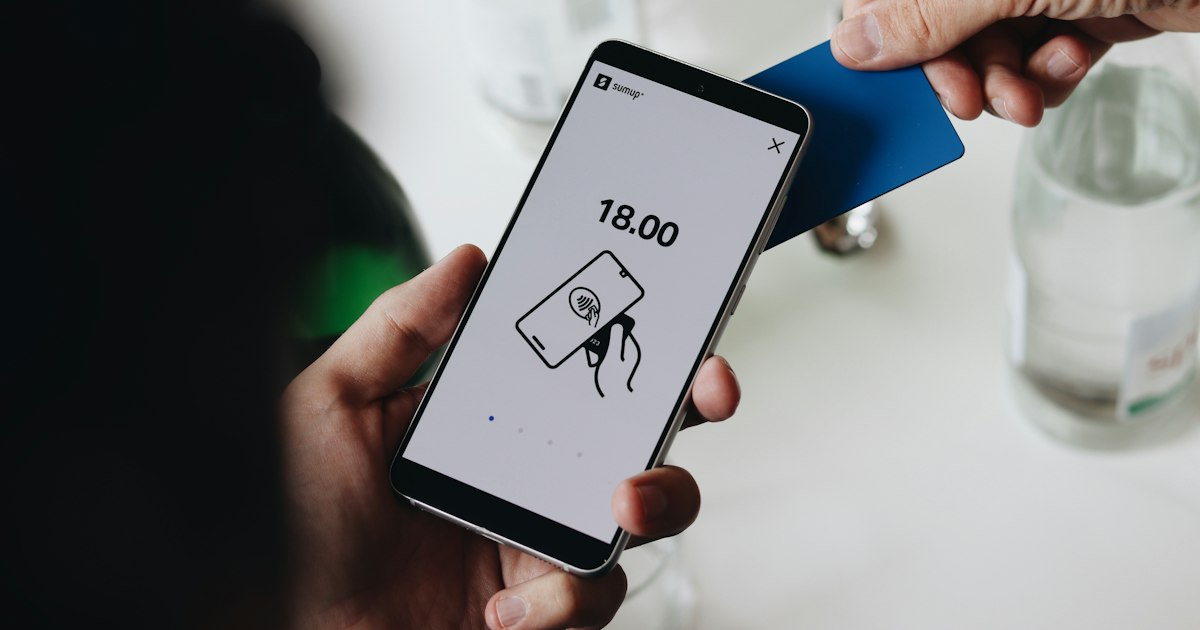
Cloud accounting software is no longer optional for most UK businesses. HMRC’s Making Tax Digital for Income Tax Self Assessment requires businesses with turnover above £50,000 to keep digital records and submit quarterly updates from April 2026. The threshold drops to £30,000 from April 2027. HMRC-recognised providers include Xero, QuickBooks, FreeAgent, and Sage. For a detailed checklist, see our Making Tax Digital sole trader guide.
Beyond compliance, good accounting software lets you invoice customers, track expenses, run payroll, and forecast cash flow. If you are unsure whether to operate as a sole trader or limited company, our sole trader vs limited company comparison covers how MTD changes the calculation.
10. Protect your business with cyber security tools
Small businesses are attractive targets for cyber criminals because they often lack dedicated IT support. The National Cyber Security Centre’s Cyber Essentials scheme offers free guidance and can help you bid for certain government contracts. Companies House identity verification, introduced under the Economic Crime and Corporate Transparency Act 2023, is now mandatory for all directors and people with significant control. At a minimum, install antivirus software, enable multi-factor authentication on all accounts, use a password manager, and keep devices updated. If you handle personal data, register with the Information Commissioner’s Office and publish a privacy policy.
How to choose the right tools without overspending
Start with free tiers and trial periods. Most software categories offer a free plan that covers a single user or small contact list. Upgrade only when a tool saves you more time than it costs.
Check integration before you buy. A CRM that does not talk to your email marketing tool, or accounting software that does not connect to your bank, creates manual work that defeats the purpose.
Protect your data. Store passwords in a manager, back up files to a UK or EU-based cloud service, and read the terms before uploading customer information to any platform.
Five action steps to launch with confidence
- Audit your current tools against the ten categories above and identify gaps.
- Check whether your turnover puts you inside the April 2026 Making Tax Digital threshold and choose HMRC-recognised accounting software.
- Register for Companies House identity verification if you are a director of a limited company.
- Review your cyber security setup against the NCSC Cyber Essentials requirements.
- Start building your email list and CRM from your first customer conversation.
Build a compliant, scalable business in 2026
The right tech tools to start a business can turn a chaotic launch into a manageable, scalable operation. In 2026, UK founders must balance growth with compliance, from Making Tax Digital and the National Living Wage to data protection and cyber security. Choose tools that solve real problems, keep your records clean, and give you back time to focus on what you do best.