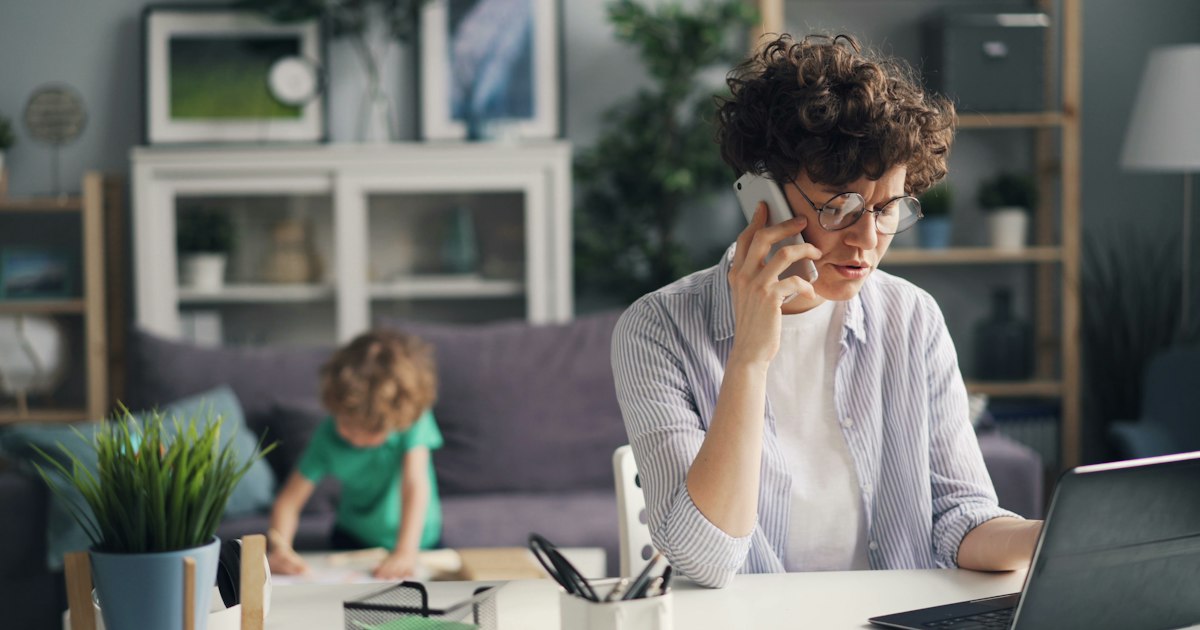
Running a business in 2026 can feel like holding your breath. Rising employer costs, late payments, fluctuating demand and the daily juggle of work and caring responsibilities mean worry can quickly take over. For women business owners, the pressure is often sharper. You are balancing cash flow, client relationships, family commitments and your own wellbeing. Mindfulness for business owners is not a luxury. It is a practical tool that helps you notice stress before it derails your decisions.
According to Women in Business: Key UK Facts, women now run a significant and growing share of UK enterprises. Yet the same drive that builds a business can also deplete you. When invoices are unpaid and bills loom, the mind races. The ability to stay in the here and now creates a sense of security, even when the trading environment feels insecure.
The economic context makes this personal. The Alison Rose Review of Female Entrepreneurship (2019) found that only one in three UK entrepreneurs is a woman, that women-led businesses contribute £85 billion to the UK economy, and that closing the entrepreneurship gender gap could add up to £250 billion.
Women are also more likely to be solo self-employed, without a team to share the load. The Health and Safety Executive (2023/24) reports that stress, depression and anxiety account for around half of all work-related ill health in Great Britain. The Federation of Small Businesses (2024) continues to identify late payments as one of the most damaging pressures on UK small firms.
Entrepreneurship can feel primal. Ancient systems in the body mobilise when we sense danger. You set a strong intent to put food on the table, then let instinct take over. Communication becomes urgent: “Do you have any work going? Shall we collaborate on a bid?” Senses heighten; you spot the smallest opportunity and fan it into flame.
It is exhausting, but it can also be enlivening. Many women choose self-employment because it inspires continuous learning and creation. The uneasy feeling when cash flow tightens is real, but so is the knowledge that you have weathered hard times before and you are still here. Mindfulness helps you notice what is the same and what is different, so you can respond rather than react.
I realise that I have chosen a seemingly insecure path, yet it enlivens me. It inspires me to keep learning and creating. I realise that I love it.
Mindfulness is not about pretending everything is fine. It is about unhooking from the tyranny of the past and the fear of the future, and finding a calmer space within the mind. That space is more accessible than many people think.
“I cannot meditate,” a fellow business owner might say. “I cannot turn off my thoughts.” This is one of the biggest misconceptions about meditation. You do not force thoughts away. Instead, allow them to enter and leave like words crossing a stage, with curious, detached observation. You keep returning your attention to your breath, a word, a sound or a bodily sensation. Each return is the practice.
With the cost of living, energy prices and late payments continuing to pressure UK small firms, protecting mental health is a business asset. Building small mindfulness habits into the working day can help you make clearer decisions, communicate more calmly and sustain your business for the long term.
Mindfulness for business owners: 12 practical techniques
- Explore meditation practices. Try breath-focused meditation, body scan, loving-kindness or guided sessions through a secular app. Find one that fits your personality. Even ten minutes a day can create a useful pause in a busy schedule.
- Regularly spend time unhooked from social media. Notifications are designed to trigger dopamine hits and keep you scrolling. Set boundaries such as app timers, no phones at meals or an email-free first hour.
- Spend time in nature. Even a short walk in a local park can calm the nervous system and bring you into the present moment.
- Spend more time with people who make you feel good. Energy is contagious. Choose company that leaves you encouraged, and limit time with people who drain you.
- Be kinder to yourself. You are more than your roles as business owner, parent, colleague or carer. Schedule non-negotiable time that belongs to you.
- Move your body. Dance, walk, cycle, garden, swim, practise yoga or Pilates. Movement releases tension, lifts mood and builds the physical resilience you need for long hours.
- Notice how food affects your energy. Prepare and share meals that sustain you rather than relying on caffeine and sugar to push through.
- Phone a friend, but choose wisely. A brief, honest conversation can reset your perspective, but avoid the “moan and groan society” that keeps you stuck.
- Occasionally watch clouds. It sounds simple, but deliberately doing nothing for a few minutes interrupts the stress cycle and gives your mind a reset.
- Walk slowly and deliberately. You do not need a cathedral labyrinth; any quiet path will do. Breathe fully and let each step anchor you in the present.
- Stand up straight. Drop your shoulders away from your ears, open the front of your chest and take slow belly breaths. Posture affects both mood and confidence.
- Step away from the computer at regular intervals. Short breaks restore focus and help you work smarter, not longer.
How to make mindfulness stick
Start with one technique that feels manageable. Anchor it to an existing habit: ten minutes of meditation after your morning coffee, or a phone-free lunch. Track it for two weeks. Notice whether your sleep, decision-making or patience improves. For more support, read our guides on tackling workplace stress and building business strength.
Action steps to build resilience
- Pick one mindfulness technique from the list above to practise this week.
- Set a non-negotiable ten-minute appointment with yourself in your calendar.
- Turn off non-essential notifications for one hour at the start of each working day.
- Review your stress triggers at the end of the week and adjust one boundary.
Mindfulness for business owners is not a quick fix, but it is a practical tool for navigating uncertainty. The stronger your inner steadiness, the better equipped you are to lead your business through challenging times.
Anne is a business coach and mindfulness practitioner who works with entrepreneurs in Norfolk and beyond.