Increasing numbers of women over 50 are learning how to write a business plan, starting businesses, and becoming olderpreneurs. For older women entrepreneurs in the UK, what was once seen as unusual is now one of the most significant trends in self-employment, and ONS data shows self-employed women over 50 are on the rise, prompting many to ask what is a limited company.
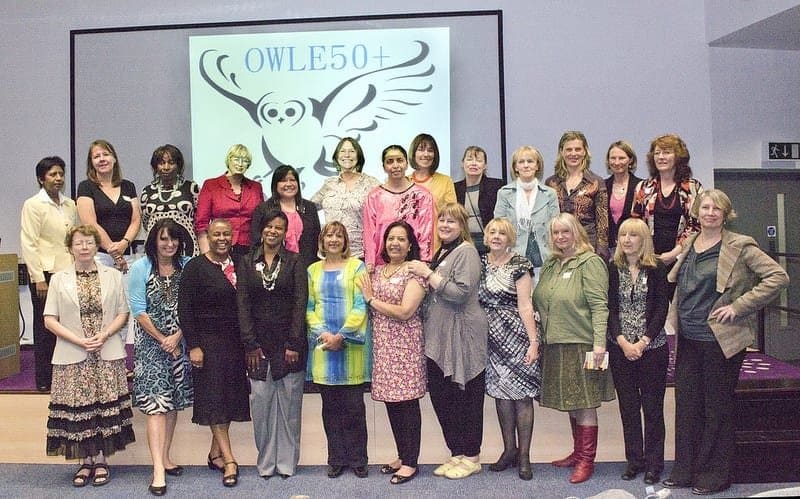
A 2013 research project led by Fiona Colgan at London Metropolitan University’s Comparative Organisation and Equality Research Centre and the Centre for Microenterprise explored how older women move into self-employment. It found that women entering this new phase often had to reconstruct their identity, leave behind negative labels, and promote themselves as entrepreneurs. They also went through a social process with family and friends, redefining priorities, time, space, and the realities of earning through a micro business.
More than a decade later, those findings still resonate. Today, women aged 50 and over make up a sizeable and growing share of the UK’s female self-employed workforce. Many are turning redundancy, caring responsibilities, retirement, or a desire for greater autonomy into opportunities for consultancy, freelancing, retail, care services, coaching, and digital ventures. Yet they still face distinct barriers: ageism, gaps in digital confidence, unequal access to finance, caring duties, and the need to rebuild professional identity after years in employment or homemaking.
The context has shifted. The state pension age is currently 66 for both men and women and will rise to 67 between April 2026 and April 2028, according to DWP guidance. At the same time, the Alison Rose Review of Female Entrepreneurship (2019) found that advancing women’s entrepreneurship could add up to £250 billion to the UK economy. For older women entrepreneurs, this is not a side issue. Longer working lives, combined with the rise of flexible and knowledge-based work, mean that starting a business after 50 can be a genuine financial and personal strategy.
The funding gap remains stark. According to the British Business Bank’s Small Business Finance Markets 2024 report, all-female founding teams receive around 2% of UK equity investment. For older women entrepreneurs, who may also have caring costs, pension gaps, and lower risk appetite, this compounds the challenge of scaling beyond a micro business.
Practical steps for older women entrepreneurs
- Use trusted online resources. Start with GOV.UK guidance on setting up as a sole trader, HMRC tax essentials, and the Prowess women in business facts page. Follow relevant business podcasts, newsletters, and social media accounts. Local Growth Hubs and libraries also run free webinars and workshops on marketing, finance, and digital skills.
- Map your support network. Friends and family can offer invaluable encouragement, but they are not always the best people to test the viability of your idea. Identify one or two independent sounding boards, such as an accountant, a business adviser, or a peer who has already made the leap. If family members are not supportive, plan a clear negotiating strategy around time, money, and household responsibilities.
- Grow into your new identity. You are now a business owner and entrepreneur, as well as, where relevant, a mother, grandmother, carer, or community member. Let go of limiting labels such as “pensioner” or “retired” if they no longer fit. Update your LinkedIn profile, business cards, and email signature to reflect your new role.
- Become visible. Networking remains one of the fastest ways to win customers, collaborators, and confidence. Attend local business events, join women-led enterprise networks, and use LinkedIn, email, and social media to follow up. Consistency matters more than charisma: a short, friendly message after a meeting can open doors.
- Find a mentor or business adviser. Good mentoring programmes exist through Growth Hubs, Chambers of Commerce, the Federation of Small Businesses, and sector-specific networks. Look for someone who understands your market and can challenge you constructively. If cost is a concern, ask about subsidised or volunteer-led schemes.
- Develop a clear value proposition. Write a one-sentence description of what you do and the benefit it brings to customers, often called an elevator pitch. You will use it at networking events, on your website, in proposals, and in casual conversation. Keep it upbeat, specific, and memorable.
- Get the financial basics right early. Open a separate business bank account, keep records from day one, and understand your tax and National Insurance obligations. The Start Up Loans programme, backed by the British Business Bank, offers loans from £2,000 to £25,000 for viable business ideas, with free mentoring included. Explore local grants and crowdfunding, but read the terms carefully. If you are drawing on a pension, take regulated advice before making irreversible decisions. For current tax obligations, see the self-employed tax guide for 2026/27.
- Protect your wellbeing and boundaries. Starting a business can blur the lines between work and home life, especially if you are also caring for others. Set core hours, build in breaks, and be realistic about what one person can achieve. Sustainable growth beats burnout.
Policy priorities for women over 50
- Recognise micro businesses as a valid part of the economy. Many women over 50 start as sole traders or one-person companies. Policymakers should stop treating them as an afterthought and design support, regulation, and tax around their needs.
- Fund tailored training and digital skills. If the UK wants to make the most of its older women entrepreneurs, training is essential, particularly as the state pension age is 66 and rising to 67.
- Make welfare-to-work support genuinely self-employment friendly. Programmes such as Universal Credit self-employment mentoring and Start Up Loans outreach should be flexible enough for women who start part time around caring responsibilities. Rules that assume a full-time, rapid launch can exclude the very people who would benefit most.
- Train work coaches in self-employment pathways. Jobcentre advisers and work coaches need up-to-date knowledge of local enterprise support, Growth Hubs, and training workshops so they can signpost older women accurately.
- Invest in face-to-face support. Women over 50 consistently tell researchers they value in-person advice. Community hubs, libraries, and Growth Hubs should be funded to offer accessible, local, drop-in business support.
- Address the caring and pension gaps. Entrepreneurship can reduce poverty and isolation in later life, but only if women are not penalised for caring breaks or forced to deplete savings. Policymakers should align business support with wider action on pensions, childcare, and adult social care.
Older women entrepreneurs bring decades of experience, professional networks, resilience, and a clear sense of purpose. With practical support, fair policy, and the confidence to claim their identity as business owners, they do not just start businesses, they build thriving, sustainable enterprises that benefit families, communities, and the wider UK economy.
Five actions to build your business now
- Check your state pension age and retirement income position on GOV.UK before committing capital.
- Contact your local Growth Hub to find free or subsidised start-up support near you.
- Review the Start Up Loans guidance for women founders if you need seed funding.
- Open a separate business bank account and set up a simple record-keeping system before your first sale.
- Update your LinkedIn profile and write a one-sentence value proposition you can use in conversation.