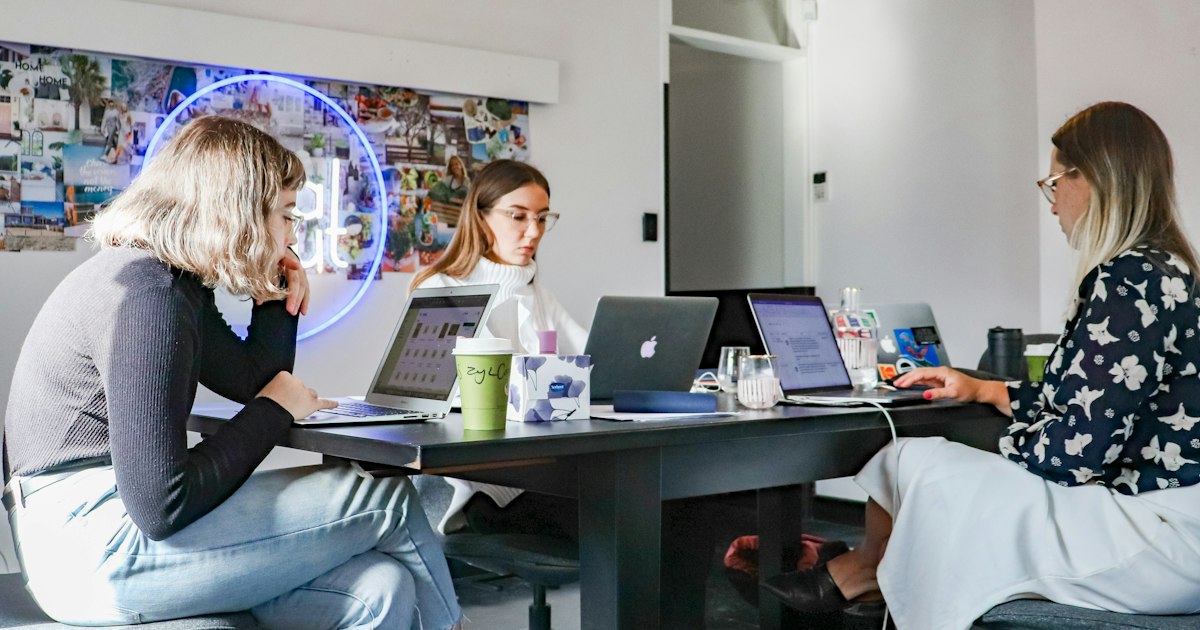
Being a big-picture thinker is a genuine asset when you are starting a business. The ability to envisage where you want to be in three, five or ten years gives you the momentum to keep going through the early uncertainty. But vision without execution is just a daydream, and execution depends on the details that big-picture people often prefer to ignore. Learning how to be organised is what closes the gap between ambition and results.
If your budget allows, the fastest fix is to hire an organised assistant, virtual PA or bookkeeper who can own the detail while you focus on growth. For many UK entrepreneurs, especially in the first year or two, that is not yet realistic. The good news is that organisation is a skill, not a personality type. Get the foundations right now and you will find it far easier to delegate, scale and lead later.
According to the 2023 Alison Rose Review of Female Entrepreneurship, the UK has more than 1.6 million women-led businesses. With HMRC’s Making Tax Digital for Income Tax Self Assessment rolling out from April 2026, there has never been a better time to make your working habits as impressive as your ideas. Here is a four-step framework to help you do it.
How to Be Organised: The Four Steps
1. Clear Out the Clutter
Clutter is the enemy of focus. A chaotic desk, overflowing inbox or bulging laptop bag creates micro-decisions every time you try to start work. Start by removing anything you do not use weekly. If you cannot bear to throw it away, box it up and store it out of sight. The same rule applies to your digital desktop: archive old files, delete duplicates and unsubscribe from newsletters you no longer read.
Parkinson’s Law applies to clutter too: stuff expands to fill the space available. Swap an oversized tote for a smaller bag, keep only the essentials in it and give every item a designated home. The less you carry around, physically and digitally, the faster you can find what you actually need.
This matters for women founders. Many self-employed women over 50, for example, are balancing business ownership with caring responsibilities. A clear workspace reduces the cognitive load that comes from switching between roles.
2. Build a Paperless Office
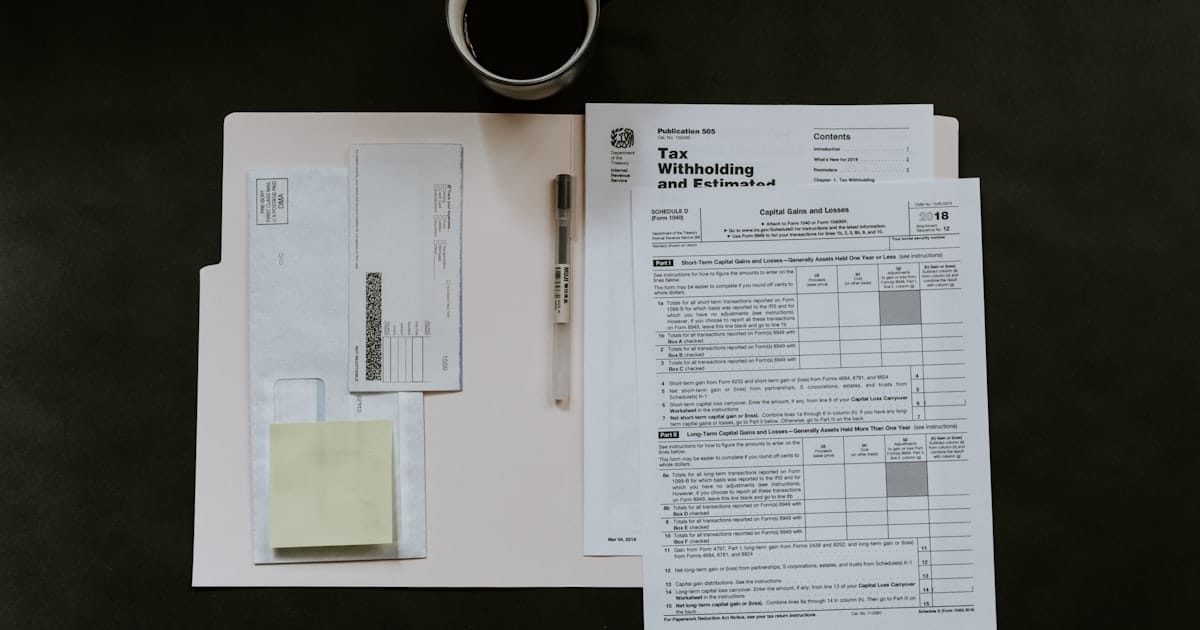
A paperless office is no longer a futuristic idea; it is a practical expectation, especially with HMRC’s Making Tax Digital for Income Tax Self Assessment pushing more business records online. From April 2026, self-employed people and landlords with business or property income over £50,000 must keep digital records and submit quarterly updates using MTD-compatible software. From April 2027, the threshold drops to £30,000.
Set up a simple, consistent filing structure from day one. Scan receipts and paperwork as soon as they arrive, name files clearly and back everything up automatically. Remember that HMRC requires self-employed business records to be kept for at least five years after the 31 January submission deadline of the relevant tax year. If you are VAT registered, you must keep VAT records for six years.
For women-led microbusinesses, where the founder often manages sales, delivery and admin alone, a paperless system prevents tax-season panic and makes delegation easier when you are ready to hire.
If you are worried about losing documents, rely on keyword search rather than perfection. Modern search tools are powerful enough to find a misfiled invoice if the file name contains the supplier name, date or amount.
3. Block Out Online Distractions
Email and the internet are the biggest threats to an organised working day. Notifications, social media and news sites create a constant drip of interruptions that fragment your concentration. The solution is to design your environment so that focus becomes the default.
This is especially useful if you are fitting work around school hours, caring duties or a part-time job, common patterns among women founders. Start with email. Turn off desktop and mobile notifications and check messages at set times, perhaps mid-morning and mid-afternoon. Use filters so that newsletters, updates and non-urgent mail skip your inbox and land in folders you review when convenient. Most providers, including Gmail and Outlook, make this straightforward.
For deeper work, use a website blocker. Tools such as Freedom, Cold Turkey Blocker and Focus let you shut out distracting sites for a set period. Browser extensions like LeechBlock or StayFocusd can limit access to specific sites during office hours. Many phones also have a built-in Do Not Disturb or Focus mode: use it.
4. Do It Now
Procrastination is the downfall of many big-picture entrepreneurs. Small but important tasks, chasing an unpaid invoice or confirming a meeting, are easy to postpone. The longer you delay, the more mental energy they consume.
There is also a financial cost to delay. HMRC charges an automatic £100 penalty if you miss the 31 January Self Assessment deadline, with further penalties after three months. For women running businesses alone, staying on top of these details protects both your cash flow and your peace of mind.
Start by handling small tasks immediately. As the late fashion editor Helen Gurley Brown said, ‘The longer you leave it to respond to a phone call, the more of a genius you have to be.’ The same applies to email. Replying now means you do not have to re-read, remember and re-prioritise the same message later.
The real antidote to procrastination is to break work into small, achievable chunks. Each morning, write a short list of three to five things you will complete that day. Keep it visible, on paper or a single note, so it cannot get buried behind browser tabs.
Then ‘eat that frog’, as author Brian Tracy puts it: tackle your most dreaded or important task first. Once it is done, the rest of the day feels lighter and you free up energy for creative, big-picture thinking.
Quick Wins to Stay Organised
- Time-block your calendar for focused work, admin and breaks.
- Review your to-do list every Friday afternoon so Monday starts calmly.
- Automate recurring tasks such as invoicing, appointment reminders and social-media scheduling.
- Keep a single notebook or app for ideas so they do not scatter across sticky notes.
- Set calendar reminders one month before HMRC deadlines so tax tasks never slip.
- Do a ten-minute tidy at the end of each day.
Learning how to be organised is not about becoming a different person. It is about building systems that support the way you naturally think. Start with these four steps and you will turn your vision into consistent, confident action.
For more context on the UK women in business landscape behind these figures, see our Women in Business: Key UK Facts page. If you are preparing for the MTD changes, our Making Tax Digital Sole Trader: 2026 Checklist for Women has a practical timeline.