If your business website does not appear on Google, most potential customers will never find you. Google holds around 93% of the UK search engine market, according to Statista data from 2025, so ranking well is not optional for a UK business. With 5.6 million small businesses in the UK, according to the Federation of Small Businesses in 2024, the competition for attention is fierce. For women running small businesses, the ability to increase website visibility can reduce reliance on paid advertising and create a steady stream of enquiries.
The good news is that you do not need to be a technical expert to improve your position. Over 96% of UK adults now use the internet, according to Ofcom’s 2024 Online Nation report, so your potential customers are almost certainly searching online. This guide sets out the practical steps that matter in 2026, from technical basics to content and authority building.
Fix the technical foundations first
Before you publish more content, check how your site performs technically. Google now uses mobile-first indexing, which means it evaluates the mobile version of your site when deciding where to rank it. With mobile devices accounting for around 63% of web traffic in the UK, according to Statista data from 2024, a poor mobile experience is a serious handicap. If your site is slow, difficult to use on a phone, or full of broken links, your content will struggle to rank however good it is.
For women founders who often manage websites alongside every other business task, fixing these basics first prevents wasted effort later. Start with these free checks:
- Google PageSpeed Insights reports your Core Web Vitals scores and lists specific fixes.
- Google Search Console flags indexing errors, mobile usability problems, and security issues.
- Google Mobile-Friendly Test confirms whether your pages work well on smartphones.
Common problems include oversized images, unused code, slow hosting, and intrusive pop-ups that block content on mobile. Many of these can be fixed by your web developer or by switching to a faster hosting provider. If you are building a new site, Creating Your First Website: A Practical UK Business Guide covers the essentials.
Publish content that shows expertise
Google’s helpful content systems reward pages that demonstrate experience, expertise, authoritativeness, and trustworthiness. For a UK woman in business, this is an opportunity: your own knowledge and customer insight are assets that generic content cannot replicate. The Rose Review of Female Entrepreneurship, led by NatWest, found that women-led businesses contribute an estimated £85 billion to the UK economy. Your website can reflect that expertise directly.
The easiest way to start is to answer the questions your customers already ask. Review emails, social media comments, and sales conversations. Each question can become a blog post, FAQ entry, or service page. For example, if you run a bookkeeping practice, a clear guide to First Self Assessment Tax Return: A Sole Trader Guide would attract exactly the audience you want to reach.
Other reliable content angles include:
- Case studies from your own clients, with their permission.
- Plain-English explanations of industry changes that affect your customers.
- Comparisons of tools, services, or approaches you use in your own business.
Publish consistently rather than in bursts. A regular schedule signals to Google that your site is active and helps you build topical authority over time.
Optimise your on-page elements
On-page SEO is the housekeeping that tells Google what each page is about. Every important page should have a clear focus topic and include that topic naturally in the title tag, meta description, main heading, and first paragraph. For women-led businesses with limited marketing budgets, getting this right means every page works harder.
Keep these rules in mind:
- Title tags should be under 60 characters and include your main keyword.
- Meta descriptions should be 140 to 155 characters and explain why someone should click.
- Headings should follow a logical hierarchy with one H1 per page.
- Images need descriptive file names and alt text, not generic labels like IMG_1234.
- Internal links help visitors and Google discover related pages on your site.
If you use WordPress, plugins such as Yoast SEO or Rank Math can guide you through these checks. Avoid keyword stuffing: repeating the same phrase unnaturally will harm your rankings and put readers off.
Build authority through off-site signals
Off-site SEO is about proving that other people trust your site. The strongest signal is a link from a credible, relevant website. For UK businesses, this might mean coverage in local press, listings in industry directories, guest articles for professional associations, or partnerships with complementary businesses. Organisations such as the Federation of Small Businesses, British Chambers of Commerce, and local Enterprise Nation groups can be valuable sources of connections and credibility.
You can also build visibility through:
- Google Business Profile: essential for local searches. Keep your address, hours, and services up to date and respond to reviews.
- Social media: promote new content where your audience spends time. LinkedIn is particularly effective for B2B services in the UK.
- Online reviews: encourage satisfied customers to leave reviews on Google or trusted industry platforms.
Quality matters more than quantity. A single link from a respected UK publication or trade body is worth more than dozens of links from irrelevant directories.
Measure what works and refine
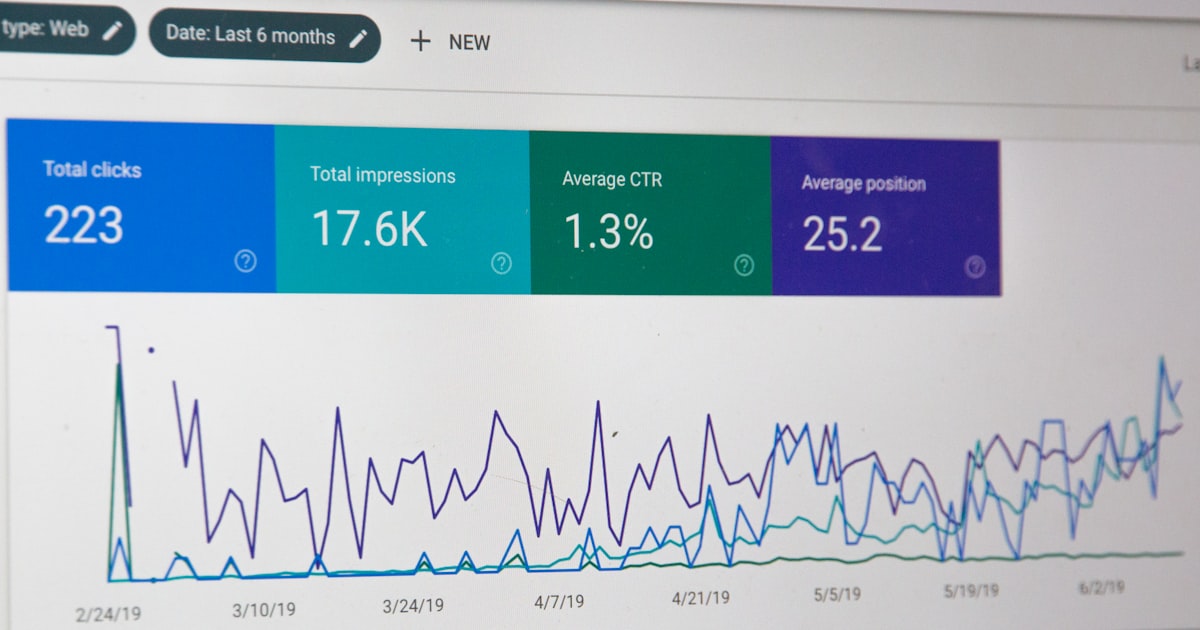
SEO is not a one-off task. Set up Google Search Console and Google Analytics 4 so you can track which pages attract visitors and which search terms bring people to your site. For busy women founders, monthly reviews keep SEO manageable without consuming your working week.
Look for pages that rank on page two of Google; small improvements to these can often push them onto page one. Review your metrics monthly. Ask yourself:
- Which pages are getting impressions but few clicks? Improve their titles and meta descriptions.
- Which pages have a high bounce rate? Check that the content matches what the visitor expected.
- Which topics bring the most enquiries? Create more content around those themes.
If your time is limited, focus on the pages that directly generate revenue, such as service pages and product categories, before working on blog posts.
When to bring in specialist help
DIY SEO is possible, but it takes time and learning. If technical issues are beyond your skill level, or if you operate in a competitive market, hiring a specialist can be a sensible investment. Government-backed support such as the Made Smarter Adoption Programme and your local Growth Hub can help with wider digital upskilling, although they do not replace hands-on SEO work. Top UK SEO Agencies for Small Businesses offers a starting point if you decide to hire external support.
Before you sign a contract, ask what they will do each month, how they measure success, and whether they follow Google’s guidelines. Avoid anyone promising instant page-one rankings; sustainable SEO takes months, not days.
Take these action steps to increase website visibility
- Run your site through Google PageSpeed Insights and Google Search Console to identify technical issues.
- List ten questions your customers ask regularly and turn each into a page or post.
- Audit your title tags and meta descriptions on your five most important pages.
- Claim or update your Google Business Profile if you serve local customers.
- Set up monthly reporting in Google Search Console and Analytics 4.
For a broader view of building your presence online, see Grow Your Business Presence Online: 7 Steps for UK Women in Business. Small, consistent efforts to increase website visibility will compound over time and help your women-led business stand out in a crowded market.