When you are starting or growing a business in the UK, the to-do list is long and expensive: website, branding, insurance, IT, maybe premises. Professional photography rarely makes the budget, and when it does, it is often an afterthought. These business headshot tips UK founders use will help you get a strong, credible image without overspending.
For most of us, our website and LinkedIn profile are our shop window, and first impressions count.
With around 1.6 million self-employed women in the UK, according to ONS Labour Market Statistics, 2024, and women-led businesses contributing an estimated £141 billion to the UK economy, according to the 2024 Alison Rose Review of Female Entrepreneurship, a strong personal brand is no longer optional. The same review found that if women started businesses at the same rate as men, the UK economy could gain up to £250 billion, and that only around one in three UK entrepreneurs is a woman. Yet Beauhurst data from 2024 shows that all-female founder teams still receive only around 2% of UK equity investment. In that context, your online presence has to work harder: it promotes your products or services, and it reassures potential clients, investors and partners that you are credible and approachable. For more context, see our Women in Business: Key UK Facts page.
People still buy from people, even in a virtual world. Including a friendly, high-quality photo on your About page, LinkedIn profile, and email signature makes you more memorable and helps contacts spot you at busy networking events. It is especially important if you work in coaching, counselling, consultancy, or any field where trust and rapport are central.
That does not mean using a nice holiday snap or a cropped wedding photo. A flattering picture from a social event is still not a business headshot. Press releases, award entries, blog bylines, and conference programmes all need imagery that looks intentional and on-brand.
Here are practical steps to get a photo that works as hard as you do.
Business headshot tips UK: six steps to a strong image
1. Plan what to wear to match your brand
Dress for the role you want clients to see. A solicitor, accountant, or financial adviser might choose a tailored jacket or structured dress; a fitness coach, florist, or creative could opt for smart-casual that reflects their energy. Avoid last-minute wardrobe panics: the emergency tie at the bottom of the desk drawer is a cliché for a reason, and a crumpled blouse grabbed from the car is no better.
Stick to solid colours or subtle patterns, and avoid logos or busy prints that distract from your face. Simple jewellery and a neckline you feel comfortable with will keep the focus on you, not your outfit. If you are being photographed as part of a team, agree in advance on a cohesive look, whether that is branded polo shirts, a colour palette, or a uniform.
2. Wear clothes that fit and feel comfortable
A jacket that gapes or trousers that pinch will show in your expression and posture. Equally, an oversized blazer can look sloppy rather than relaxed. Try on your full outfit a week before the shoot, sit down in it, raise your arms, and check it from every angle. If you would not wear it to an important client meeting, do not wear it for your headshot.
3. Plan hair and make-up to look natural
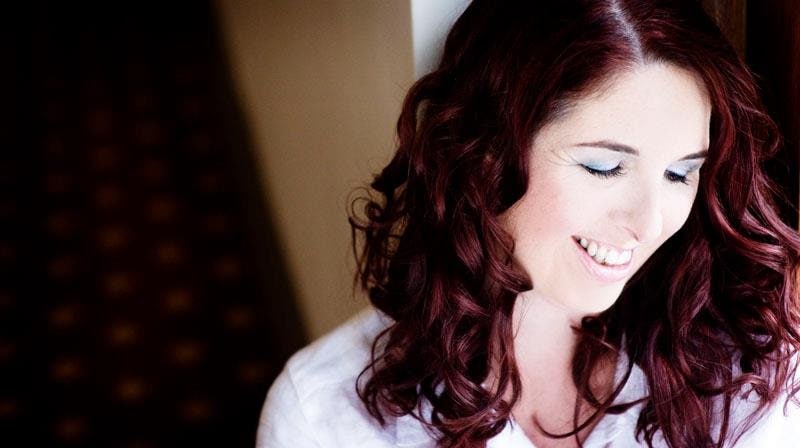
Book a haircut a week beforehand and touch up roots if you colour your hair. A light, natural make-up look usually photographs best: even out skin tone, add a touch of colour to lips and cheeks, and use a little powder to reduce shine. The camera can wash you out, so a slightly bolder lip or brow than usual often translates well.
If you wear a headscarf, hijab, turban, or other head covering, choose one in a colour that complements your skin tone and sits neatly without needing constant adjustment. The goal is to look like the best version of your everyday professional self, not someone else entirely.
4. Look natural and confident in front of the camera
Not everyone enjoys being photographed, and that is completely normal. A good photographer will put you at ease, but you can also prepare. Practise a relaxed smile in the mirror, drop your shoulders, and turn slightly to one side rather than facing the camera straight on. Think of something that genuinely makes you smile just before the shutter clicks: it softens the eyes and makes the expression authentic.
If you feel particularly self-conscious, consider working with a photographer who specialises in personal branding or has experience photographing women in business. Many offer a short pre-shoot consultation to discuss poses and angles.
5. Do not choose on price alone
Photography styles vary enormously, from bright and editorial to dark and dramatic. Look at a photographer’s recent portfolio and ask whether their approach suits your brand and industry. Check what is included in the fee: how many edited images, how long until you receive them, and whether you have commercial usage rights for your website, social media, and press.
In the UK, look for photographers who are members of recognised bodies such as the British Institute of Professional Photography (BIPP) or the Association of Photographers (AOP). Hiring a local photographer is also a great way to support another small business and often makes a mini-session more affordable.
6. If you are photographing a team, communicate clearly
No one likes turning up to find a camera pointed at them unexpectedly. Send a schedule and dress-code reminder a week and a day before the shoot. If you want everyone in branded clothing or a particular colour, say so explicitly. Consistent lighting and backgrounds will give your team page a polished, cohesive look that builds trust with visitors.
Make your headshot work across your marketing
Once you have your final images, use them consistently. Update your LinkedIn profile, website About page, email signature, and any speaker or award bios. LinkedIn’s own data shows that profiles with a professional photo attract significantly more views and messages than those without, so this single image can have a measurable effect on your visibility.
Do not forget accessibility: add descriptive alt text to images on your website so that visually impaired visitors and screen readers know who is in the photograph. And plan to refresh your headshot every two to three years, or sooner if your appearance or brand changes significantly.
Use these business headshot tips UK founders rely on to create an image that feels authentic, builds confidence, and helps clients feel they already know you before you have even said hello. For more on building your profile, read our guide to stepping into the spotlight as a UK woman in business.
Five action steps to take this month
- Block out time to update your headshot within the next month if yours is more than three years old.
- Research three local photographers, check their portfolios, and compare usage rights before you book.
- Update your LinkedIn profile, website About page, and email signature with the same image.
- Add descriptive alt text to every headshot on your website.
- Use your new photo consistently when attending women in business networks UK events, speaking opportunities, and award entries.