Search engine optimisation (SEO) is one of the most cost-effective ways to reach new customers without paying for every click. According to the 2019 Alison Rose Review of Female Entrepreneurship, women-led businesses contribute around £85 billion to the UK economy, yet many still rely on word of mouth or social media alone. With Google holding around 93% of the UK search market, according to Statcounter data from 2024, ranking well in organic search can transform a small business. Whether you are building your first site or refreshing an existing one, here is how to make your website SEO-friendly in the current UK market.
Key principle: modern SEO rewards websites that are fast, useful, and easy to use. It is not about tricking algorithms; it is about matching what your customer is looking for.
Technical basics that make your website SEO-friendly
Before you write a single page, check the underlying technology. A slow or insecure site will struggle to rank regardless of how good your content is.
Mobile-first design for small screens
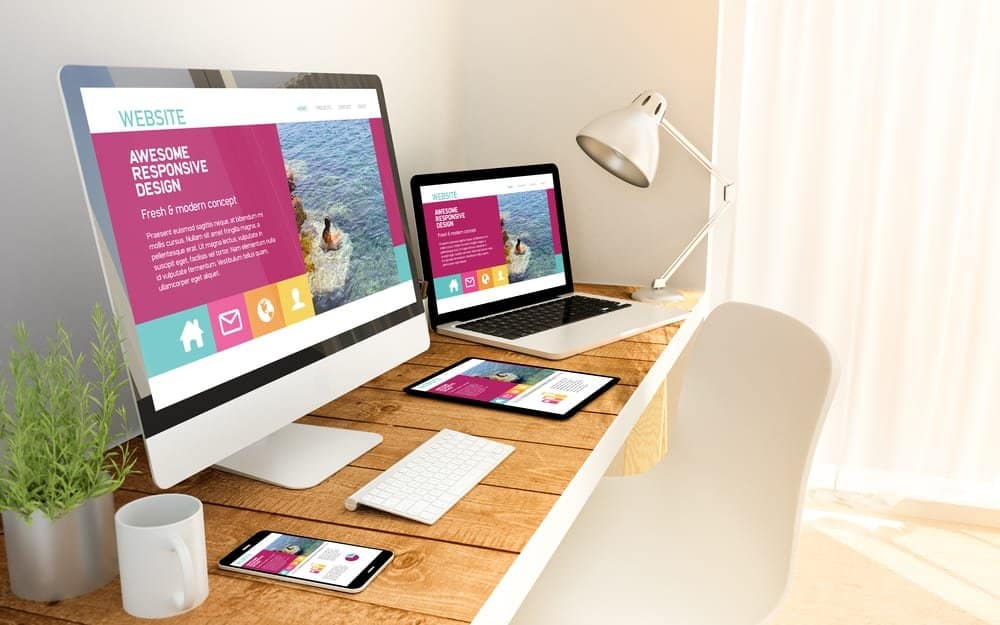
Google uses mobile-first indexing, which means it looks at the mobile version of your site first. Ofcom’s 2024 Communications Market Report found that 96% of UK adults own a mobile phone, with smartphone ownership also extremely high, so your site must work well on small screens. Test this using Google’s free Mobile-Friendly Test. A responsive design, where the layout adjusts automatically to the device, is the standard approach.
Page speed and Core Web Vitals
Google measures page experience through Core Web Vitals: how quickly the main content loads, how quickly it becomes interactive, and how stable the layout is while loading. Slow sites frustrate users and rank lower. Use free tools such as Google PageSpeed Insights or GTmetrix to identify problems. Common fixes include compressing images, removing unused code, and using a reliable UK-based hosting provider.
HTTPS security for safer browsing
Your site should use HTTPS, not HTTP. This encrypts data between your site and your visitors. Browsers now flag non-secure sites, and Google has used HTTPS as a ranking signal for years. Most hosting providers include a free SSL certificate.
Structure your URLs clearly
Your URL should tell both humans and search engines what the page is about. Keep it short, lowercase, and descriptive. Use hyphens between words, not underscores or spaces. For example, prowess.org.uk/seo-friendly-website-tips is clearer than prowess.org.uk/page?id=123.
Include your target keyword in the URL where it reads naturally, but do not force it. A URL stuffed with keywords looks spammy and reduces trust.
Write content that matches search intent
Content remains one of the strongest ranking factors, but quality matters more than quantity. Google’s helpful content system rewards pages that genuinely answer a user’s question. This is where E-E-A-T comes in: experience, expertise, authoritativeness, and trustworthiness.
For a UK business, this means:
- Writing for your customer first, not the search engine.
- Showing your credentials, such as qualifications, years in business, or case studies.
- Keeping content accurate and up to date. Outdated prices, old addresses, or expired offers damage trust.
- Avoiding duplicate content. Each page should have a distinct purpose.
If you are starting from scratch, our guide on creating your first website covers the foundations before you optimise.
Use keywords with intention
Keywords are the words and phrases people type into search engines. Start by thinking about what your customer would search for, then use free tools such as Google Keyword Planner, Ubersuggest, or AnswerThePublic to check search volumes.
Place your main keyword in:
- The page title tag, which is the clickable headline in search results.
- The first paragraph of the page.
- At least one H2 heading, if it reads naturally.
- The meta description.
- The image alt text, where relevant.
Do not overuse the keyword. Google’s natural language processing understands synonyms and related terms, so write in plain English.
Optimise your images for speed and accessibility
Images affect both rankings and user experience. Large image files slow your site down, while missing alt text makes your site less accessible.
Best practice:
- Compress images before uploading. Tools such as TinyPNG or Squoosh reduce file size without visible quality loss.
- Use descriptive file names, for example
handmade-ceramic-mug-uk.jpgrather thanIMG_1234.jpg. - Write alt text that describes the image for screen readers and search engines.
- Use modern formats such as WebP where possible.
Build internal links between related pages
Internal links help visitors and search engines find related content on your site. They also spread authority between pages. When you mention a service, link to its dedicated page. When you publish a blog post, link to relevant product or service pages.
For example, if you write about growing your business with social media, link from that post to your main services page. This keeps visitors on your site longer and signals to Google that your content is connected.
Do not ignore local SEO
If you serve customers in a specific area, local SEO is essential. A 2024 BrightLocal survey found that 76% of UK consumers use Google to find local business information, and 21% search for a local business every day. Ranking well in local and organic search therefore has a direct effect on revenue for UK small businesses.
Steps to improve local visibility:
- Create or claim your Google Business Profile.
- Keep your name, address, and phone number consistent across your website, directories, and social media.
- Encourage customer reviews and respond to them.
- Add location-specific pages only if you genuinely serve those areas. Thin location pages created purely for SEO can harm your site.
Make accessibility part of your SEO plan
Accessibility and SEO overlap more than many people realise. Clear headings, alt text, readable fonts, and good colour contrast help both disabled users and search engines. The UK’s Public Sector Bodies (Websites and Mobile Applications) Accessibility Regulations 2018 require public sector sites to meet WCAG 2.1 AA standards. Private businesses are not legally bound by the same rules, but following WCAG guidance reduces legal risk under the Equality Act 2010 and improves your site’s usability.
The Information Commissioner’s Office also expects websites to handle cookies and tracking responsibly under UK GDPR and PECR. A clear cookie banner and privacy policy build trust and protect you from enforcement action.
Use social media as a supporting channel
Social media does not directly determine Google rankings, but it drives traffic, builds brand recognition, and creates opportunities for others to link to your content. Include links to your active social profiles on your website, and make it easy for visitors to share your pages.
For practical guidance, see our article on how to grow your business with social media in the UK.
Measure results and refine your approach
SEO is not a one-off task. Set up free tools to monitor progress:
- Google Search Console: shows which queries bring people to your site and flags technical issues.
- Google Analytics 4: tracks visitor behaviour, conversions, and traffic sources.
- Bing Webmaster Tools: useful because Bing still accounts for a small but meaningful share of UK searches.
Review your data monthly. Look for pages that rank on page two of Google, then improve their content, titles, or internal links to push them higher.
Practical action steps to improve your SEO
- Run your site through Google PageSpeed Insights and fix the highest-priority issues.
- Check that your site is mobile-friendly and uses HTTPS.
- Audit your URLs and rewrite any that are unclear or overly long.
- Review your content for outdated information and duplicate pages.
- Claim your Google Business Profile if you serve local customers.
- Set up Google Search Console and Analytics 4 if you have not already.
Learning to make your website SEO-friendly takes time, but the fundamentals have not changed: create a fast, secure, accessible site with content that answers real questions. For UK women in business, this is one of the most cost-effective ways to attract customers without relying entirely on paid advertising. If you need specialist support, our guide to the top UK SEO agencies for small businesses can help you choose a provider.