Selling a website business in the UK is not simply about finding a buyer and handing over a password. It is a structured exit that requires accurate valuation, clean legal records, and a clear handover plan. If you want to sell your website business in the UK, preparation is the difference between a low offer and a strong exit. For women running digital ventures, the opportunity is significant: the UK has one of the largest e-commerce markets in Europe, and online sales remain a substantial share of total retail spending.
According to ONS data from 2025, internet sales consistently account for around one quarter of total UK retail spending. The 2024 Rose Review of Female Entrepreneurship also found that women-led businesses contribute an estimated £141 billion to the UK economy. That sustained demand means a well-run website, content site, or SaaS business can attract serious buyers if it is presented properly. Whether you are stepping back after years of growth, freeing up capital for a new project, or moving from self-employment back into employment, this guide will help you prepare, value, and sell your website business in the UK. For context on the wider market, see our Women in Business: Key UK Facts page.
First steps to sell your website business in the UK
Before you list the site, decide what you are actually selling. Are you transferring the domain, content, customer database, and supplier relationships as an asset sale, or are you selling the shares of a limited company that owns the website? Each route affects tax, liability, due diligence, and how quickly the deal can complete.
If you operate as a sole trader, the sale is usually treated as a disposal of business assets. If you run a limited company, you may be selling assets out of the company or selling the company itself. For help deciding which structure suits you, read our comparison of Sole trader vs limited company UK: MTD changes the maths.
Know your website’s worth
The value of a website depends on what it actually does. An e-commerce store is usually valued on its sales ledger, profit margins, and stock. A content or affiliate site may be worth more because of its domain authority, search rankings, and recurring advertising income. A membership or subscription site is often valued on retention rates and predictable monthly revenue.
Start by gathering your numbers. Most buyers will calculate value as a multiple of monthly net profit, typically between 20 and 50 months of earnings, depending on the sector, growth rate, and risk. Look at recent sales of comparable sites on UK marketplaces and forums to sense the going rate. You can also use free valuation tools as a rough guide, but treat their output as a starting point rather than a final figure.
Research from the Rose Review suggests women founders can sometimes undervalue the businesses they have built, so take time to benchmark properly rather than guessing.
Key factors that affect your website’s value include:
- Revenue, profit, and cash flow history.
- Growth trends and scalability.
- Traffic volume, sources, and stability.
- Customer acquisition costs and lifetime value.
- Time required from the owner to keep the site running.
- The strength of the domain name, brand, and backlink profile.
Identify your likely buyers
Knowing who is likely to buy will shape how you market the site. Women-led digital businesses are increasingly attractive to buyers who value diverse leadership, established systems, and clear documentation. Common UK buyer profiles include:
- First-time buyers: often professionals looking to replace a salary with their first online business.
- Digital entrepreneurs: experienced operators who want to add a site to an existing portfolio.
- Traditional business owners: bricks-and-mortar entrepreneurs moving into digital revenue.
- Corporate buyers: larger companies acquiring traffic, technology, market share, or a skilled team.
- Competitors: rivals who can absorb your audience, content, or customer base.
Use Google Analytics and Google Search Console to demonstrate that you are serving a defined niche with real demand. A site that meets a clear need is easier to sell than one that relies on a single traffic source or fad.
Research how and where to sell
UK website owners have several routes to market. Specialist online marketplaces let you list the site publicly and reach a global pool of buyers. For smaller sites, this can be a quick and transparent option. Higher-value sites, generally those worth over £100,000, are often better sold through a UK business broker or corporate finance adviser who can run a confidential process and negotiate on your behalf.
Before appointing anyone, check their track record with digital assets, fee structure, and whether they belong to a recognised trade body such as the Association of Business Agents. Ask for references and be clear on whether you are selling the website alone or the whole limited company.
Optimise your website before listing
A well-run site commands a higher price. Buyers want to see growth potential, but they also want evidence that the foundations are solid. Start with a technical audit focused on speed, mobile usability, and search performance.
Page speed matters for both users and rankings. Use Google PageSpeed Insights to identify issues such as oversized images, render-blocking scripts, or slow hosting. Common improvements include compressing images, removing unused plugins, enabling caching, and using a content delivery network. With most UK web traffic now coming from mobile devices, responsive design is essential.
Next, review your search engine optimisation. Check that each page targets a relevant keyword, that internal links are logical, and that images have descriptive alt text. Fresh, useful content and a clean backlink profile signal to buyers that the site can continue to attract organic traffic.
Do not overlook compliance. Make sure your site meets UK GDPR requirements, has a valid cookie consent mechanism, and displays clear terms and privacy notices. Any gaps here can become negotiating points or deal-breakers during due diligence.
Finally, improve conversion where you can. Encourage visitors to join your email newsletter, increase average order value, or reduce checkout abandonment. A higher conversion rate directly supports a higher valuation.
Put together a handover pack
Buyers pay a premium for businesses they can run from day one. A clear handover pack, sometimes called a standard operating procedures manual, reduces perceived risk and makes the transition smoother. For women founders, documenting the knowledge you have built is also a powerful way to show the true value of your work.
Your pack should include:
- Step-by-step instructions for daily, weekly, and monthly tasks.
- Login details and ownership records for the domain, hosting, CMS, email accounts, and third-party tools.
- Supplier and freelancer contacts, including writers, developers, and virtual assistants.
- Social media account details and content calendars.
- Customer relationship management data and email list ownership records.
- Any licences, trademarks, or intellectual property documentation.
Store sensitive credentials securely and only share them once a sale is agreed and appropriate legal protections are in place. A password manager can help you organise access without exposing everything prematurely.
Present evidence of traffic, revenue and growth
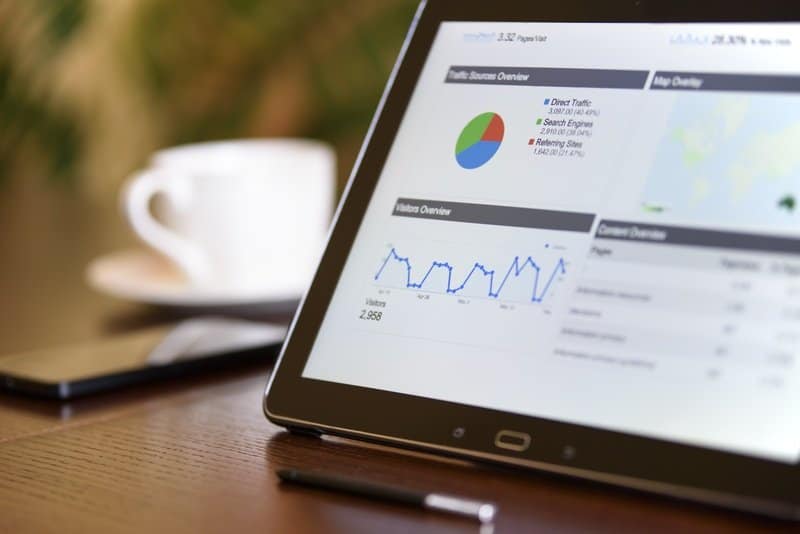
Serious buyers will want verified data. Be ready to share at least 12 months of analytics and financial records, ideally more. Present the information clearly so buyers can see trends rather than having to dig through spreadsheets.
Useful evidence includes:
- Traffic reports from Google Analytics 4 and Google Search Console.
- Profit-and-loss statements and bank statements.
- Tax returns or HMRC filings, where relevant.
- Evidence of diverse, stable traffic sources rather than over-reliance on one channel.
- Documentation showing clean legal history and compliant data handling.
- A realistic plan for future growth and any quick-win opportunities.
Plan the tax and legal structure of the sale
It is worth understanding the tax implications early. Depending on your business structure, the sale may be treated as a disposal of a business asset and could attract Capital Gains Tax. For the 2026/27 tax year, HMRC sets the annual Capital Gains Tax exempt amount at £3,000 for individuals. Gains above that may be taxed at 10% for basic rate taxpayers or 20% for higher and additional rate taxpayers on non-residential assets such as websites.
In many cases, Business Asset Disposal Relief may reduce the rate you pay to 10% on qualifying gains, subject to a lifetime limit of £1 million. The rules are strict: you must have owned the business or been a sole trader for at least two years, among other conditions. A UK accountant or tax adviser can help you plan the timing and structure of the sale. For general guidance, see GOV.UK’s guidance on selling business assets.
If you are selling a limited company, you must also consider Corporation Tax. For the 2026/27 financial year, HMRC charges Corporation Tax at 19% on profits up to £50,000 and 25% on profits above £250,000, with marginal relief applied between those thresholds. An asset sale and a share sale have different implications for Corporation Tax, stamp duty, and your ongoing responsibilities as a director.
After the sale, remember to update Companies House and follow the identity verification requirements outlined in our guide on Companies House Identity Verification: What Every Female Director Must Do Now.
Your action plan
Selling a website business in the UK takes preparation, but the reward can be a meaningful lump sum and the satisfaction of passing your work to a new owner. By valuing the site realistically, identifying the right buyers, choosing a suitable sales route, optimising performance, preparing a thorough handover pack, and planning the tax structure, you give yourself the best chance of a smooth and profitable exit.
Online commerce continues to grow, and a well-maintained digital asset remains attractive to buyers. Take professional advice from a UK solicitor and accountant before signing anything, and approach the sale as you would any other major business decision: with clear records, realistic expectations, and a focus on what makes your site valuable.
- Gather at least 12 months of financial and analytics data.
- Get a valuation from at least two sources, including a UK broker if the site is worth over £100,000.
- Run a technical, SEO, and GDPR compliance audit.
- Speak to a UK accountant about Capital Gains Tax and Business Asset Disposal Relief.
- Prepare a handover pack before you list the site.